
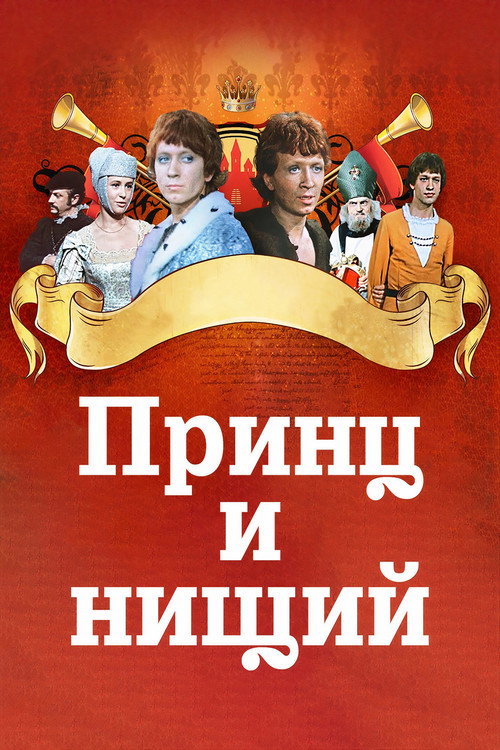
The Prince and the Pauper
1977
No user ratings available yet
Representation score: 1.4 out of 10
Representation Score
Limited
1972
Director
Vadim Gauzner
Runtime
74 minutes
Average Rating
No ratings yetNew Showbiz Analysis
The film primarily serves as a social commentary on class disparity rather than exploring modern multi-layered identities. Its strength lies in deconstructing the permanence of social status through the identity exchange cliché. However, the production is limited by its historical setting and traditional cinematic conventions, lacking representation of LGBTQ+ identities and ethnic diversity. Ultimately, the work emphasizes the socioeconomic divide between the aristocracy and the impoverished over a diverse range of identities.
Category Breakdown
The film does not depict any non-binary gender identities or same-sex relationships. It focuses solely on the male experience of class-based identity exchange between two main characters.
The story centers on the male experience of power and social standing. Female characters play supporting roles rather than driving the plot.
Set in Tudor-era England, the film features a homogeneous Anglo-Saxon context. There is no evidence of ethnic diversity among the primary characters.
The film effectively critiques rigid social hierarchies and monarchical stability. It highlights systemic inequities and the arbitrary nature of inherited privilege through the identity exchange cliché.
There are no specific depictions of physical or neurodivergent disabilities in the narrative.
Present on Screen
Limited or Absent
Official Synopsis
A poor boy named Tom Canty and the Prince of Wales exchange identities but events force the pair to experience each other's lives as well.
1977
1976
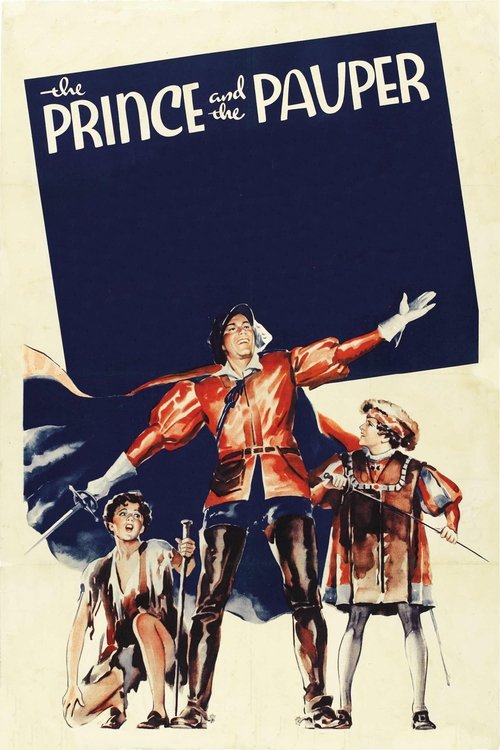
1937

1995
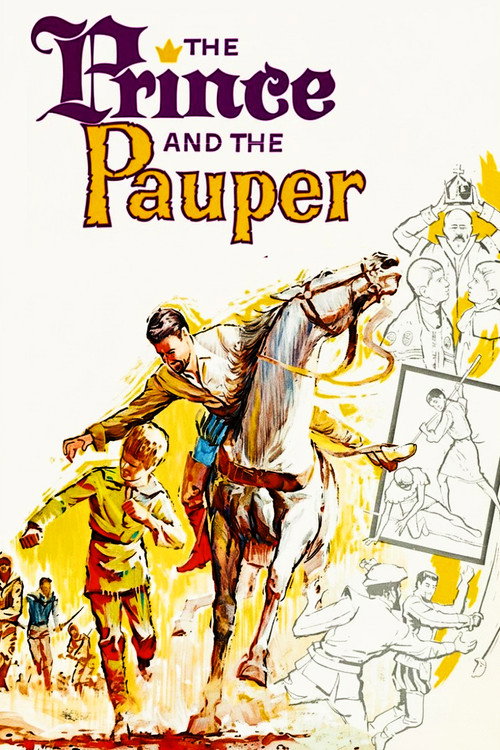
1962

2018
2000
2007
No reviews yet. Be the first to share your thoughts on this movie!
Use the rating form above to leave a star rating and optional review.