Find another title
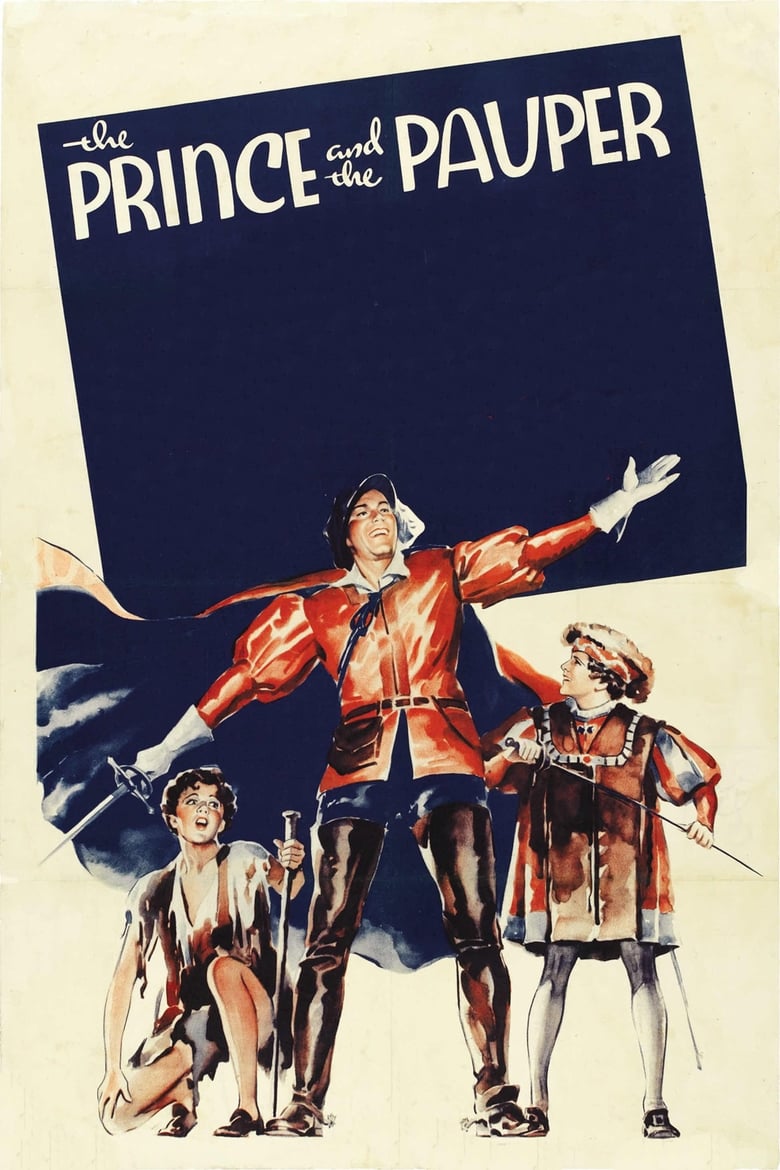
The Prince and the Pauper
1937
NRDirector
William Keighley
Runtime
118 minutes
Average Rating
No ratings yetSynopsis
Two boys – the prince Edward and the pauper Tom – are born on the same day. Years later, when young teenage Tom sneaks into the palace garden, he meets the prince. They change clothes with one another before the guards discover them and throw out the prince thinking he's the urchin. No one believes them when they try to tell the truth about which is which. Soon after, the old king dies and the prince will inherit the throne.
Where to Watch
Diversity & Representation
Overall Score
Limited
Category Breakdown
LGBTQ+ Representation
The film contains no visible LGBTQ+ characters or depictions of non-heteronormative identities. It adheres strictly to the gender and orientation norms of the 1930s.
Gender Representation
The narrative centers almost exclusively on male protagonists and their experiences with power. Female characters are relegated to secondary, supportive roles that reinforce traditional hierarchies.
Racial & Ethnic Diversity
The cast is predominantly homogeneous, reflecting the cinematic constraints of 1937. The story focuses on a singular, Anglo-centric view of 16th-century London.
Religious & Cultural Diversity
The film critiques class disparity and systemic injustice but ultimately affirms the necessity of a stable monarchy. Religious and institutional presences serve as standard historical settings.
Disability Representation
There is no significant depiction of physical, sensory, or neurodivergent disabilities. Character struggles are defined by socioeconomic status rather than impairment.
Strengths
- Provides a moderate critique of social stratification and class disparity.
- Explores the systemic injustices faced by the impoverished through the lens of the pauper.
Areas for Improvement
- Lacks meaningful representation of non-white or non-Anglo-Saxon identities.
- Fails to engage with gender fluidity or subvert patriarchal structures.
- Provides no visible LGBTQ+ characters or queer identity exploration.
- Does not include depictions of physical, sensory, or neurodivergent disabilities.
AI Analysis
The film is a traditionalist narrative that prioritizes class-based conflict within a strictly defined social hierarchy. While it critiques the inequity between the monarchy and the urban poor, it does so to reinforce the legitimacy of the crown. Representation is limited by the era's systemic constraints. The story focuses on individual merit within a conventional social structure, lacking intersectional depth across race, gender, and orientation.
Rate this Movie
Reviews
No reviews yet. Be the first to share your thoughts on this movie!
Use the rating form above to leave a star rating and optional review.