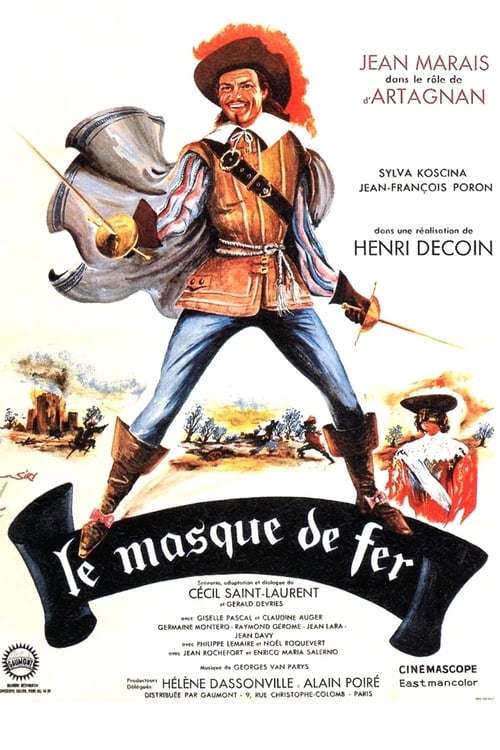
The Iron Mask
1962
No user ratings available yet
Representation score: 1.9 out of 10
Representation Score
Minimal
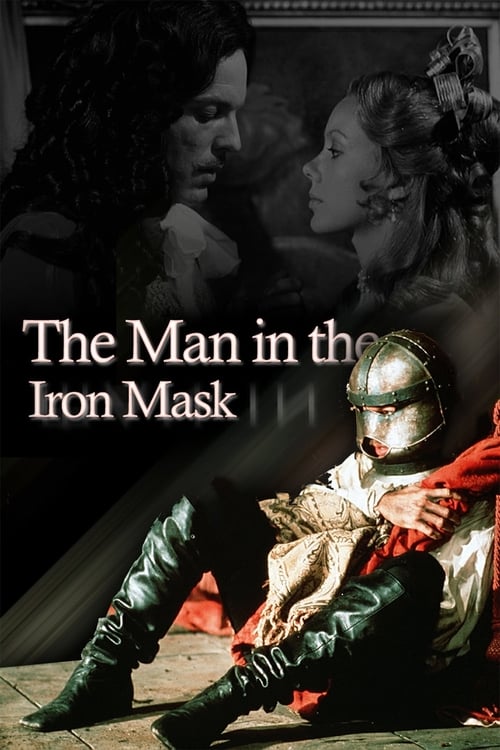
1977
Not RatedDirector
Mike Newell
Runtime
100 minutes
Average Rating
No ratings yetNew Showbiz Analysis
This production is a traditional historical adventure that emphasizes the hierarchical structures of 17th-century France. The narrative is centered on masculine-driven plot progression and the maintenance of royal institutions. The film upholds conventional social structures without challenging them. It does not intentionally engage with modern perspectives that reflect multiple aspects of identity, focusing instead on the political struggle between the twin brothers and the Musketeers. Ultimately, the work functions as a period piece that adheres to the cinematic conventions of its time, highlighting honor, lineage, and male-centric power dynamics.
Category Breakdown
The story centers on the rivalry between twin brothers and does not depict any non-straight or non-cisgender identities or relationships.
The plot revolves around masculine power dynamics and royal succession. Female characters play minor roles and support the main male conflict.
The cast is primarily white and lacks diversity. The film reflects the historical setting and production standards of 1977, without featuring non-white characters.
The narrative follows a traditional Western historical framework, emphasizing monarchy, royal lineage, and classical ideas of duty and legitimacy.
The iron mask serves as a plot device for an identity swap and symbolizes political imprisonment, rather than exploring disability in depth.
Present on Screen
Limited or Absent
Official Synopsis
Years have passed since the Three Musketeers, Aramis, Athos and Porthos, have fought together with their friend, D'Artagnan. But with the tyrannical King Louis using his power to wreak havoc in the kingdom while his twin brother, Philippe, remains imprisoned, the Musketeers reunite to abduct Louis and replace him with Philippe.
1962

1964

1939
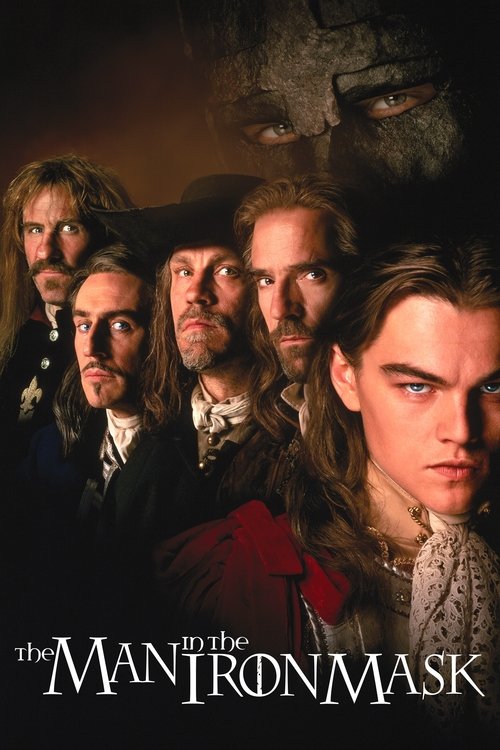
1998

1982
2023
1998
1979
No reviews yet. Be the first to share your thoughts on this movie!
Use the rating form above to leave a star rating and optional review.