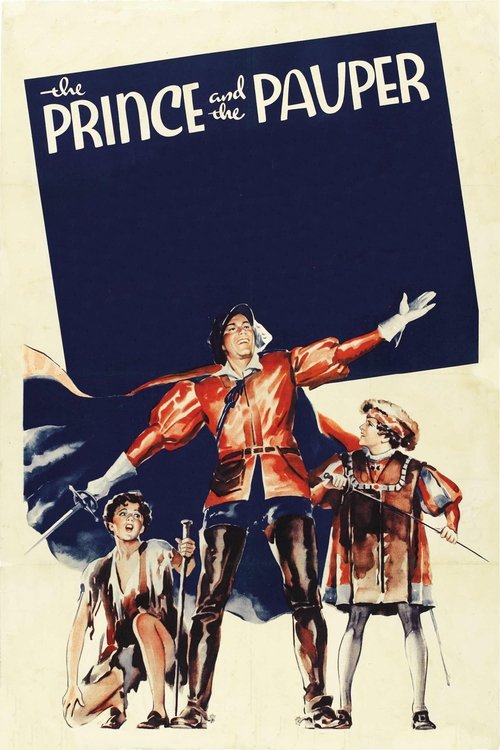
The Prince and the Pauper
1937
No user ratings available yet
Representation score: 2.3 out of 10

Representation Score
Minimal
1977
PGDirector
Richard Fleischer
Runtime
113 minutes
Average Rating
No ratings yetNew Showbiz Analysis
This adaptation of Mark Twain's classic functions primarily as a traditional period drama. Its narrative weight is carried by a critique of class-based hierarchies, challenging the legitimacy of the Tudor hierarchy through the experiences of the two boys. However, the film remains deeply conventional in its social architecture. It adheres to the historical homogeneity of the era and reinforces patriarchal power structures by centering the plot on masculine leadership and male-dominated institutions. While the film successfully disrupts expectations of aristocratic superiority, it lacks depth in representing diverse racial, gendered, or disability-related perspectives, resulting in a narrow, localized view of the 16th century.
Category Breakdown
The film focuses on a traditional friendship between two male protagonists. There are no depictions of LGBTQ+ identities or same-sex relationships.
The story operates within a patriarchal framework, emphasizing male leadership and political struggles. Women play minor roles and have little influence over the main conflict.
The cast is ethnically uniform, reflecting the 16th-century English setting. There are no significant non-Anglo-Saxon characters.
The narrative critiques rigid class hierarchies and wealth disparities through the central character switch. It maintains a traditional approach to religious and institutional settings.
No visible or invisible disabilities are portrayed. The narrative does not use disability as a theme or tool for character development.
Present on Screen
Limited or Absent
Official Synopsis
Tom Canty is a poor English boy who bears a remarkable resemblance to Edward, Prince of Wales and son of King Henry VIII. The two boys meet and decide to play a joke on the court by dressing in each other's clothes, but the plan goes awry when they're separated and each must live the other's life.
1937
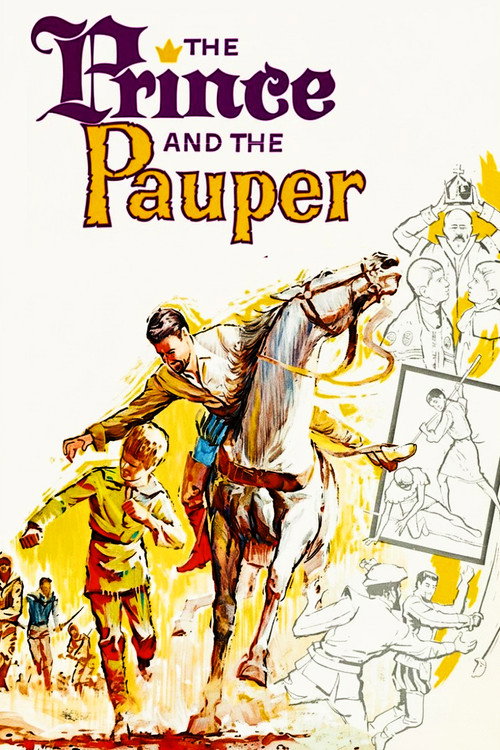
1962
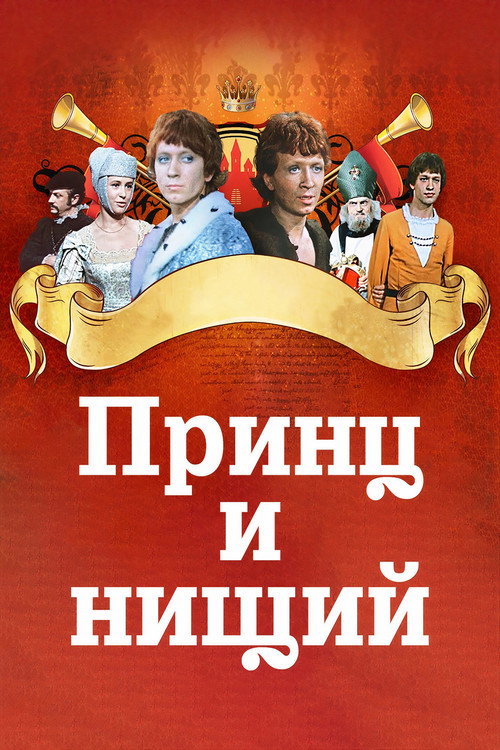
1972
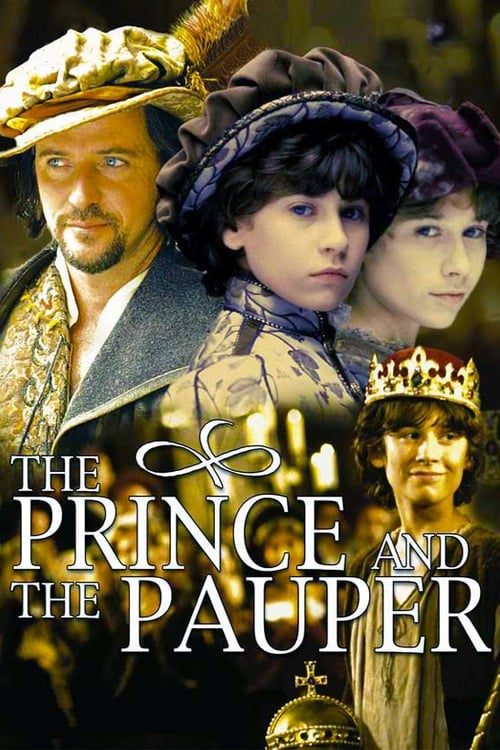
2000

2014
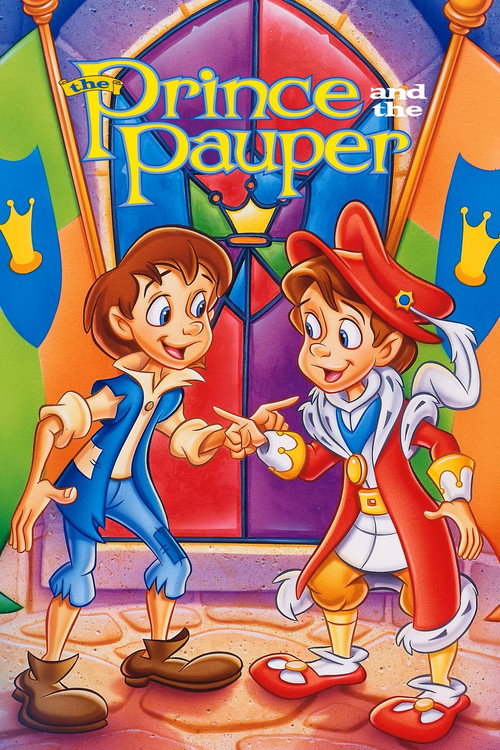
1995
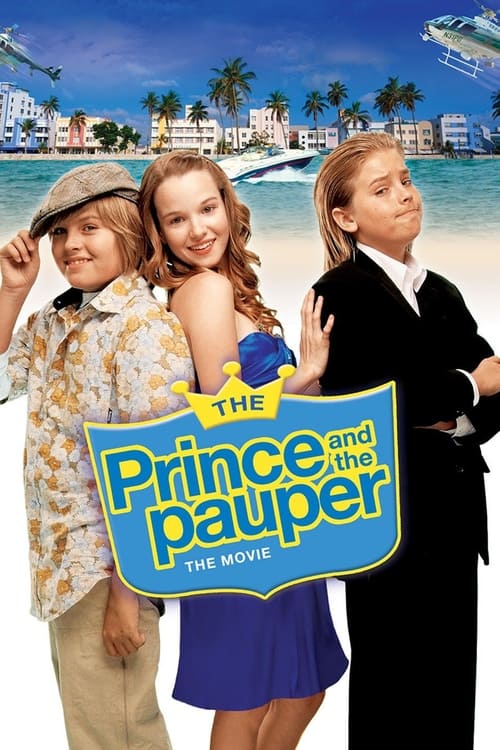
2007
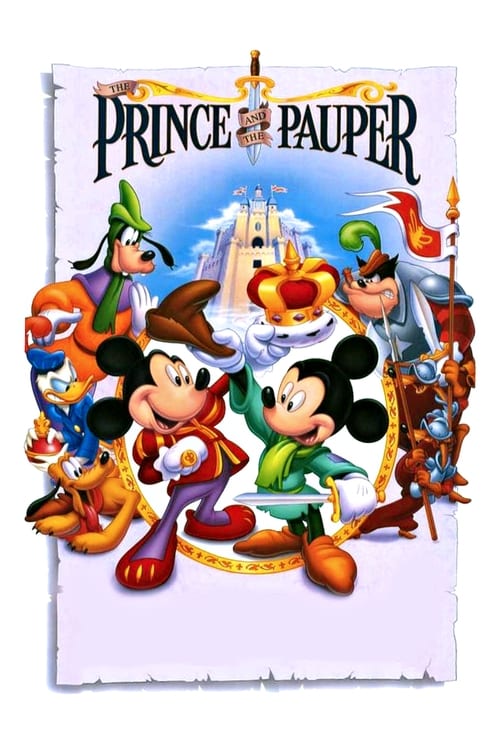
1990
No reviews yet. Be the first to share your thoughts on this movie!
Use the rating form above to leave a star rating and optional review.