
Oliver & Company
1988
No user ratings available yet
Representation score: 2.3 out of 10
Representation Score
Limited
1990
GDirector
George Scribner
Runtime
27 minutes
Average Rating
No ratings yetNew Showbiz Analysis
The film operates as a traditional period piece that prioritizes class-based conflict over demographic diversity. Its primary social commentary stems from the tension between the aristocracy and the impoverished, rather than identity-based frameworks. While the story offers a critique of monarchical institutions, it lacks depth in representing multiple aspects of identity. The narrative remains anchored in a homogeneous, male-centric worldview typical of its era. Ultimately, the film's strengths lie in its moral relativism regarding class, but it fails to represent a broad spectrum of human experiences across gender, race, or ability.
Category Breakdown
The film does not feature any LGBTQ+ characters or non-straight relationships. The story revolves around two male protagonists within a traditional social setting.
Male characters dominate the narrative, focusing on political struggles within a male-centric environment. Female characters play minor supporting roles without driving the plot.
Set in Tudor-era London, the cast is predominantly white. The story emphasizes socioeconomic differences rather than diverse ethnic backgrounds or race-bent casting.
The film critiques the cruelty of the ruling class by highlighting the injustice of state laws. It distinguishes between legal authority and the justice needed for those who are sidelined.
There is no meaningful portrayal of physical or neurodivergent disabilities. Characters are defined by their socioeconomic status rather than any visible or invisible impairments.
Present on Screen
Limited or Absent
Official Synopsis
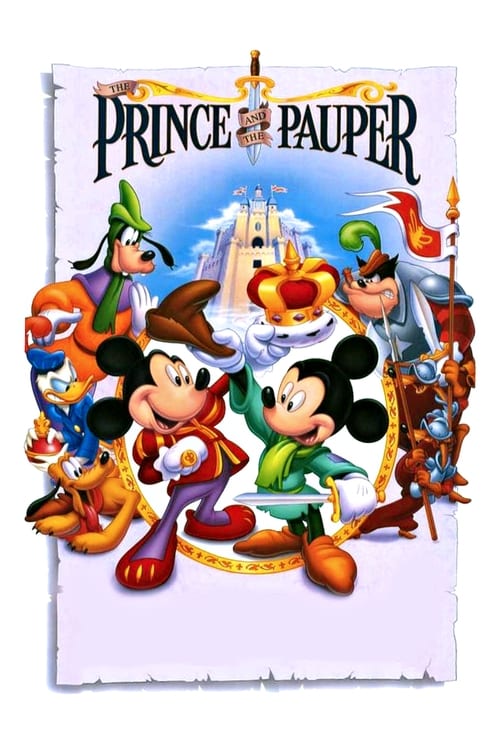
Long ago in a land with an ailing king, there was a pair of boys who looked exactly alike, a pauper called Mickey and the other, the Crown Prince.
1988

2004
1972
2006
1995
2004
1937
1976
No reviews yet. Be the first to share your thoughts on this movie!
Use the rating form above to leave a star rating and optional review.