
The Holy Mountain
1973
No user ratings available yet
Diversity score: 6.7 out of 10
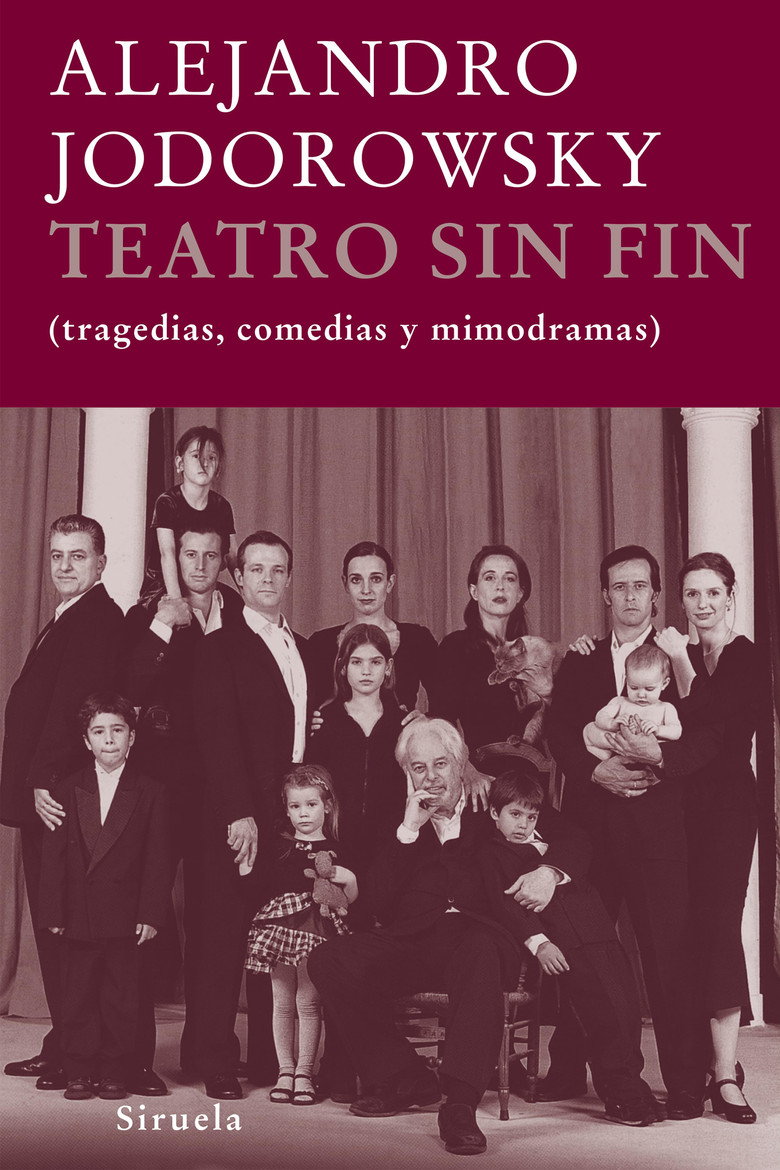
1965
Director
Alejandro Jodorowsky
Runtime
18 minutes
Average Rating
No ratings yetSynopsis
The Panic Movement performed theatrical events designed to be shocking, as a response to surrealism becoming petite bourgeoisie and to release destructive energies in search of peace and beauty. One four-hour performance known as Melodrama Sacramentral was staged in May 1965 at the Paris Festival of Free Expression. The "happening" starred Jodorowsky dressed in motorcyclist leather and featured him slitting the throats of two geese, taping two snakes to his chest and having himself stripped and whipped. Other scenes included a staged murder of a rabbi, a crucified chicken, a giant vagina giving birth to Jodorowsky, naked women covered in honey and the throwing of live turtles into the audience.
Overall Score
Fair
Category Breakdown
LGBTQ+ Representation
The performance emphasizes transgressive physical acts and nudity over explicit queer identities. While it subverts gendered expectations through ritual, it lacks specific LGBTQ+ narratives or direct critiques of heteronormativity.
Gender Representation
The work disrupts conventional hierarchies by using the female form as a site of elemental power. By utilizing the body for cosmic symbolism, it moves away from traditional submissive feminine archetypes.
Racial & Ethnic Diversity
Representation is limited to symbolic tableaux, such as the staged depiction of a rabbi. These elements serve as tools for shock rather than providing nuanced depth or agency to characters of color.
Religious & Cultural Diversity
The performance functions as a radical critique of Western bourgeois values and organized religion. It uses ritualistic provocation to prioritize visceral, subjective experience over established social and religious order.
Disability Representation
There is no evidence regarding the depiction of physical or neurodivergent disabilities within the performance.
Strengths
Areas for Improvement
AI Analysis
Melodrama Sacramental is a work of radical deconstruction rather than character-driven storytelling. It succeeds in dismantling cultural and religious institutions through surrealist provocation and anti-traditionalist ritual. However, the spectacle often uses identity markers—such as religious figures or the female body—as symbolic tools for shock rather than as means of providing intersectional agency. This focus on visceral disruption over nuanced characterization limits its depth in several key areas. Ultimately, the work is a study in chaos and the subversion of social decorum, prioritizing the destruction of bourgeois sensibilities over inclusive representation.
1973
1969
1967
1966
1969
1979

1969
1969
1973
1972
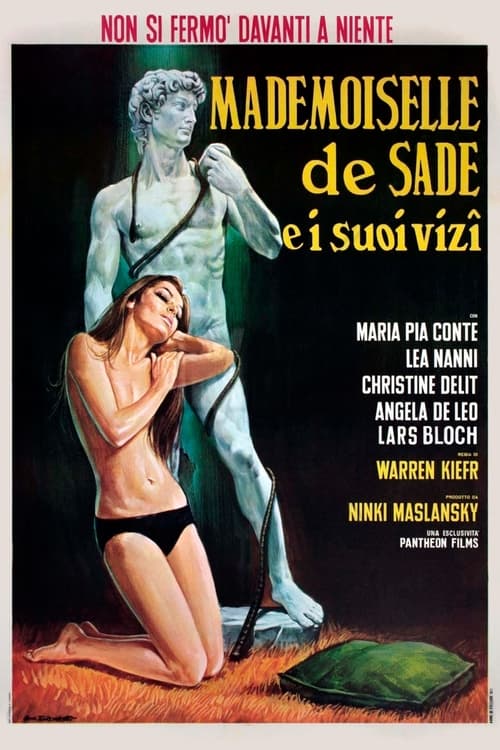
1969

1980
No reviews yet. Be the first to share your thoughts on this movie!
Use the rating form above to leave a star rating and optional review.