The Story of Piera
1983
No user ratings available yet
Representation score: 6.4 out of 10
Representation Score
Fair
1973
Director
Peter Whitehead, Niki de Saint Phalle
Runtime
90 minutes
Average Rating
No ratings yetNew Showbiz Analysis
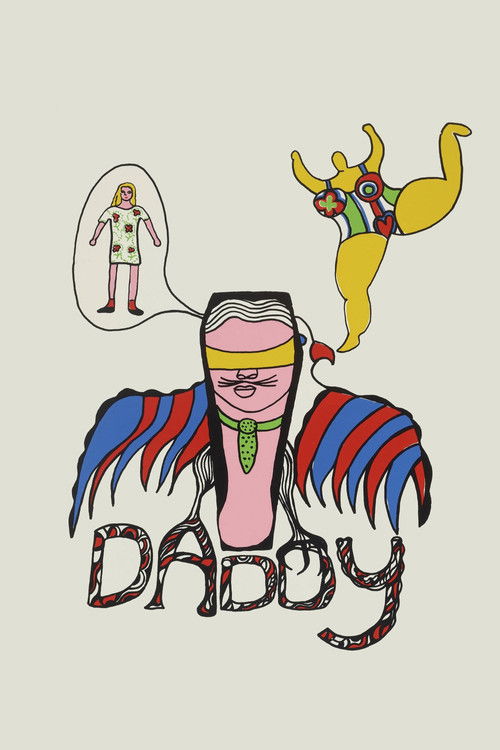
Daddy is an avant-garde exploration of identity that uses autobiography to dismantle standard social structures. By centering the narrative on a psychological deconstruction of the patriarchal figure, the film moves away from traditional storytelling toward a more subjective, postmodern framework. The film's strength lies in its intentional subversion of gendered power dynamics. It empowers the female character to navigate and 'humor' the patriarchal figure, creating a unique reversal of energy. However, the film lacks clarity regarding racial, ethnic, and disability representation. While it challenges gender and cultural norms, the absence of specific demographic data limits a complete diversity profile.
Category Breakdown
The film explores unconventional relationships and erotic themes. It subverts traditional domestic roles through psychological exploration, though specific LGBTQ+ identities are not detailed.
The film challenges traditional gender hierarchies by having the female character take psychological dominance, disrupting conventional expectations of masculine authority.
There is insufficient information regarding the racial or ethnic composition of the cast or setting to provide a definitive assessment.
The work deconstructs the traditional Western 'father' figure through an autobiographical lens. It prioritizes subjective, psychoanalytical truth over singular, traditional moralities and social norms.
There is no evidence within the film's context to suggest the presence of characters with visible or invisible disabilities.
Present on Screen
Limited or Absent
Official Synopsis
Daddy, filmed in cooperation with movie director Peter Whitehead, discovers the connection between a father and little girl. Like the majority of Niki De Saint Phalle’s films, the flick combines autobiography with imagination, mixing erotic scenes of incest with a reverse of energy as the female character humors the daddy figure. Saint Phalle narrates the film, offering an almost psycho-analytical explanation of its content and explains the different inexplicable.
1983
1979
1971

1967

1968
1970

1993
1972
No reviews yet. Be the first to share your thoughts on this movie!
Use the rating form above to leave a star rating and optional review.