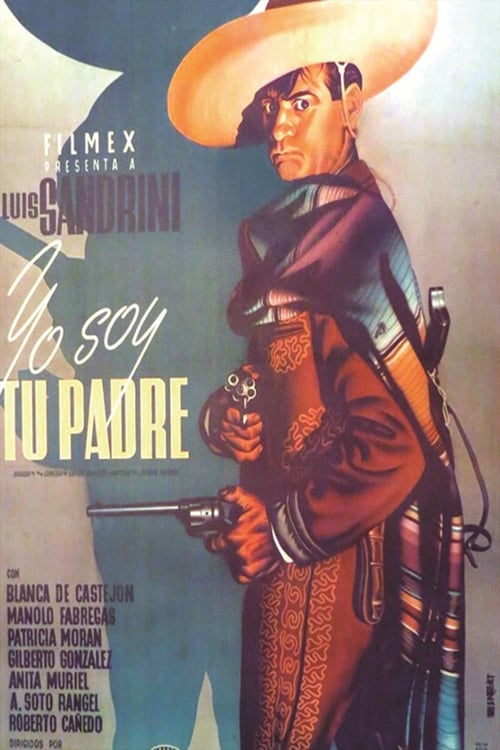
Yo soy tu padre
1948
No user ratings available yet
Representation score: 1.3 out of 10

Representation Score
Limited
1951
Director
Emilio Gómez Muriel
Average Rating
No ratings yetNew Showbiz Analysis
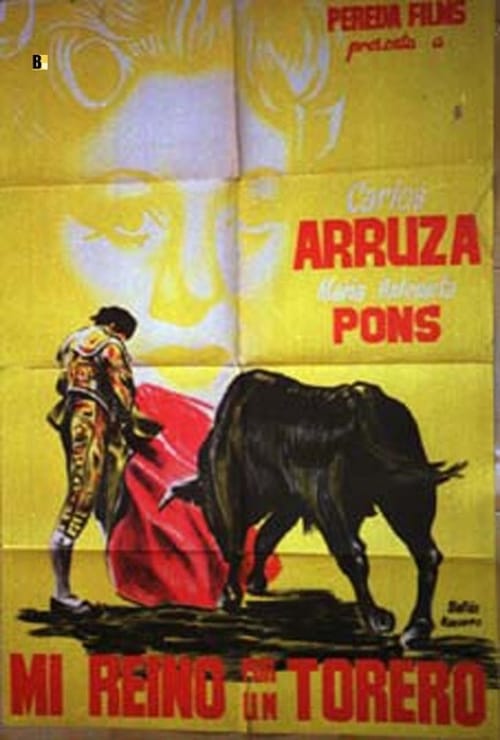
Tercio de quites is a mid-century comedy-drama that adheres to traditional genre conventions. Reflecting the social and cinematic norms of 1951, the film prioritizes established cultural institutions over narrative innovation. The film's strength lies in its cross-cultural premise, which bridges Spanish and Mexican identities through the lens of bullfighting. However, this interaction remains superficial, serving the plot rather than exploring complex ethnic power dynamics. Ultimately, the work lacks the structural complexity to challenge conventional social hierarchies. It remains a product of its time, centered on masculine competition and traditional cultural rituals.
Category Breakdown
The film follows a traditional and straight-focused storyline, with no representation of LGBTQ+ identities or experiences.
The narrative emphasizes male competition and professional rivalry, reinforcing traditional gender roles and hierarchies.
The film includes interactions between Spanish and Mexican cultures, providing ethnic variety but not delving deeply into historical power structures.
The story highlights bullfighting traditions, celebrating cultural rituals without questioning institutional norms.
There is no information available regarding the portrayal of physical or neurodivergent characters in the primary narrative arc.
Present on Screen
Limited or Absent
Official Synopsis
Spanish bullfighter and a Mexican one have a friendly rivalry spanning decades.
1948
1960
1944

1957
1950
1963
2001
1951
No reviews yet. Be the first to share your thoughts on this movie!
Use the rating form above to leave a star rating and optional review.