
O... Çocukları
2008
No user ratings available yet
Representation score: 5.2 out of 10
Representation Score
Fair
2008
Director
Gani Müjde
Runtime
100 minutes
Average Rating
No ratings yetNew Showbiz Analysis
The film serves as a historical revisionist piece using an alternate history lens to critique national identity. It succeeds by deconstructing the standard trajectory of Western-aligned modernization through satire. While the film excels in cultural complexity and the exploration of non-homogeneous identities, it lacks depth in social representation. There is a notable absence of LGBTQ+ and disability-focused narratives. Ultimately, the film examines the tension between religious tradition and modern governance, prioritizing institutional satire over individual social diversity.
Category Breakdown
The film does not include visible LGBTQ+ characters or identities that challenge traditional heterosexual norms. Instead, it focuses on geopolitical shifts and structural changes within a reimagined state.
The story centers on the Ottoman Sultanate, which is traditionally patriarchal. Women do not occupy roles that challenge conventional gender hierarchies or have significant influence over the plot.
The film highlights a culturally blended Middle Eastern identity by integrating Arabic script into the visual landscape, representing a diverse identity rather than a homogeneous one.
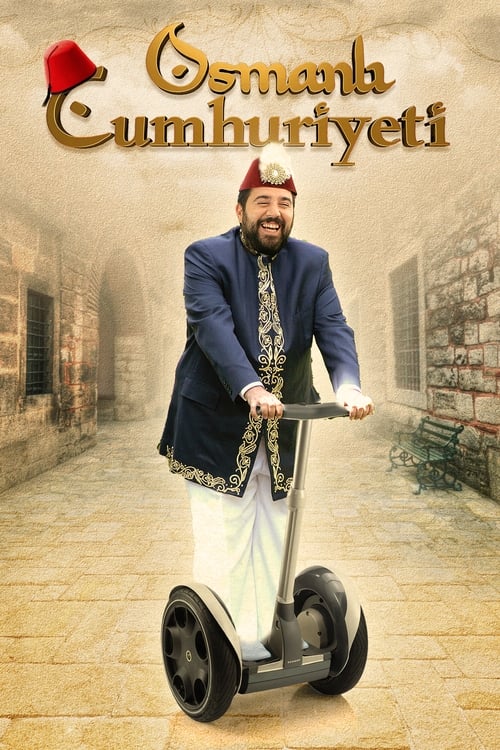
The work critiques modern nationalism by presenting an alternate reality. It uses visual metaphors, such as a Sultan in a suit and caftan, to explore tradition and modern governance.
There is no information regarding the portrayal of characters with physical or neurodivergent disabilities in this work.
Present on Screen
Limited or Absent
Official Synopsis
The film depicts a world in which Atatürk never became leader, the War of Independence never took place, and the Ottoman Republic continues to exist in a form adapted to the present day. The continuation of the Ottoman Republic instead of the Republic of Turkey, Ankara not being the capital, signs and license plates being in both Turkish and Arabic, and the sultan wearing a suit under his caftan are some of the tragicomic situations that make up the film's story.
2008

2004
1991

2015
2003
1981

2002
1982
No reviews yet. Be the first to share your thoughts on this movie!
Use the rating form above to leave a star rating and optional review.