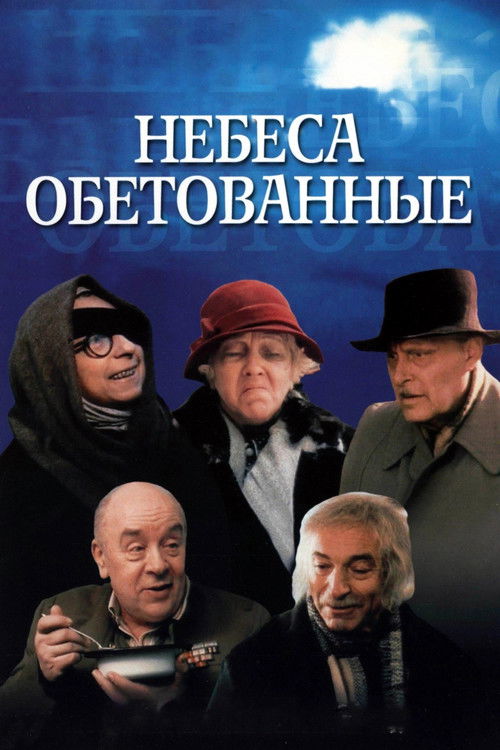
Promised Heaven
1991
No user ratings available yet
Representation score: 5.7 out of 10
Representation Score
Fair
1981
Director
Vlastimir Radovanović
Runtime
96 minutes
Average Rating
No ratings yetNew Showbiz Analysis
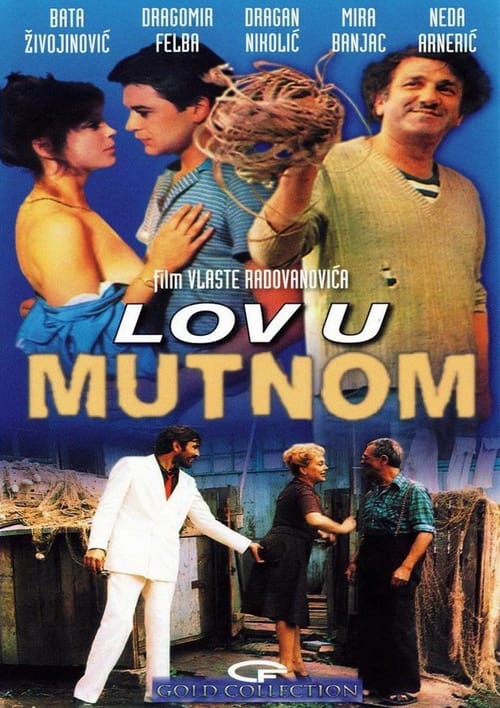
Shady Business is a social critique centered on class dynamics and urban displacement. It effectively challenges property norms and state authority through the lens of underrepresented residents. However, the film lacks explicit markers of multiple identities. There is a noticeable absence of visible LGBTQ+ representation and specific details regarding gender roles or disability. Ultimately, the film's strength lies in its subversion of systemic order rather than its breadth of identity-driven character arcs.
Category Breakdown
The film does not explicitly mention LGBTQ+ characters or non-straight relationships. The story focuses mainly on Paja and his family.
The story centers on a male protagonist navigating a survival crisis. While there is potential for female influence in the domestic setting, the main focus remains on masculine figures.
The film explores social 'otherness' through class-based divisions. It highlights the tension between underrepresented communities in shantytowns and the dominant urban hierarchy of New Belgrade.
The narrative uses the trickster archetype to challenge strict legalistic or capitalist norms, favoring survivalist ingenuity over traditional institutions and state-sanctioned order.
There is no evidence of characters with physical or neurodivergent disabilities in the provided narrative.
Present on Screen
Limited or Absent
Official Synopsis
Residents of a shanty town are faced with its destruction. With the help of the local trickster, Paja "the Bighead" moves with his family to an empty flat in New Belgrade blocks. Everything goes fine until the real owner knocks at the door.
1991

1977
1972
2002

2003
2007

2022
1984
No reviews yet. Be the first to share your thoughts on this movie!
Use the rating form above to leave a star rating and optional review.