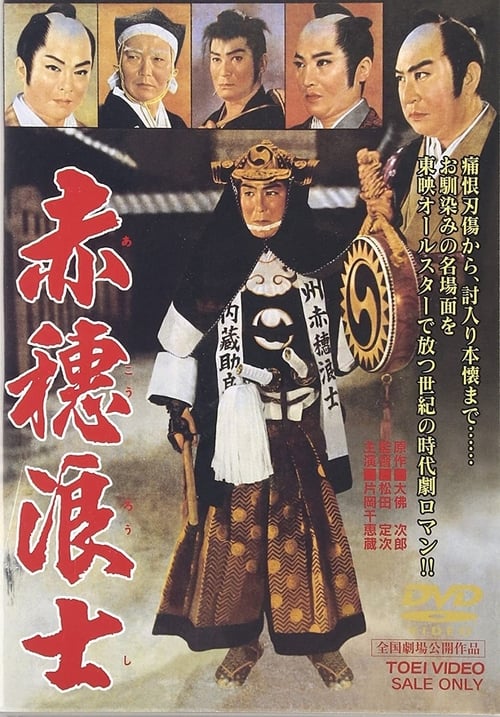
The Ako Retainers
1961
No user ratings available yet
Representation score: 1.5 out of 10
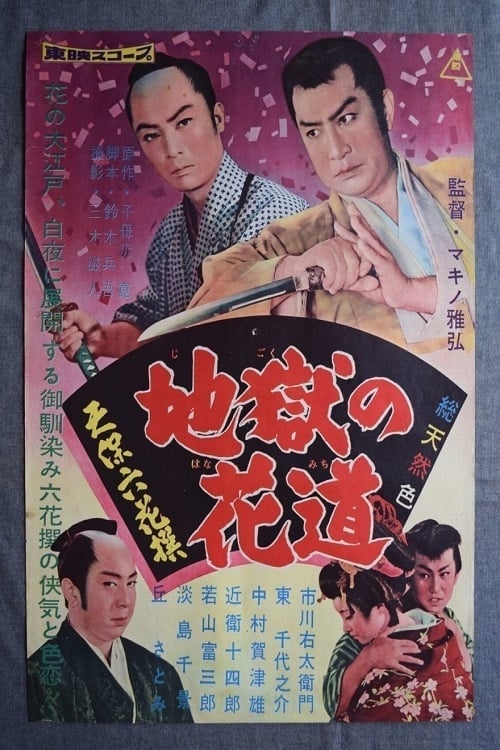
Representation Score
Limited
1960
Director
Masahiro Makino
Runtime
103 minutes
Average Rating
No ratings yetNew Showbiz Analysis
Runway to Hell is a traditional jidai-geki film that emphasizes genre conventions and stylized action. The narrative revolves around personal vengeance and individual ability to act within a historical context, reflecting the filmmaking standards of 1960s Japan. The film focuses on a male-led quest for justice after a false accusation of embezzlement. While it critiques institutional corruption, it does so through the lens of classical melodrama rather than a modern analysis of systemic issues. Overall, the film lacks representation of diverse identities and adheres to the social hierarchies and homogeneous casting typical of period dramas from that era.
Category Breakdown
The film does not include any characters with non-binary or LGBTQ+ identities, nor does it depict any same-sex relationships. It follows traditional family and romantic structures typical of 1960s Japanese cinema.
Men play key roles in the story, particularly Ichinosuke Kaneko and Soshun Kochiyama. Women have emotional roles, but the main storyline of revenge is driven by male characters.
The cast is made up of actors representing a single cultural background, fitting the historical setting of the film. It does not introduce diverse identities or break ethnic norms.
The story delves into themes of systemic injustice and wrongful accusations. However, it centers on personal honor and restorative justice rather than a modern critique of institutions.
The film does not feature any characters with disabilities or neurodivergent conditions that influence the plot or character development.
Present on Screen
Limited or Absent
Official Synopsis
When Kaneko Ichinosuke aims to avenge his father who was wrongly accused of embezzlement, the samurai Kochiyama Soshun agrees to assist.
1961

1964
1972
1967
1964
1980

1935
1957
No reviews yet. Be the first to share your thoughts on this movie!
Use the rating form above to leave a star rating and optional review.