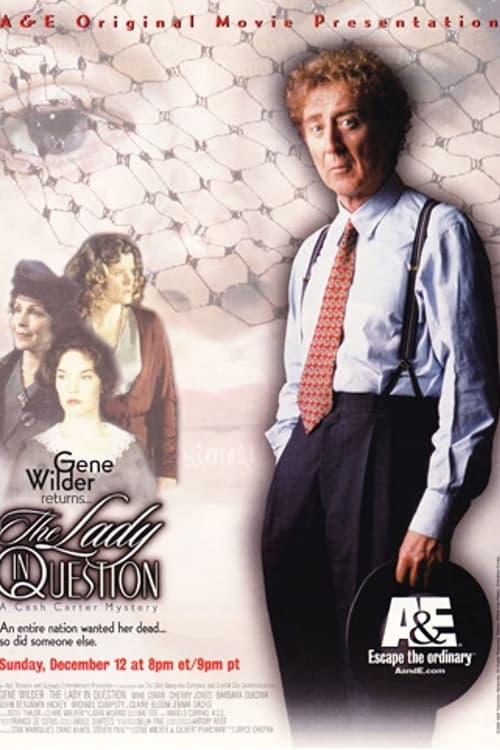
The Lady in Question
1999
No user ratings available yet
Representation score: 5.7 out of 10

Representation Score
Good
1999
NRDirector
Dani Levy
Runtime
107 minutes
Average Rating
No ratings yetNew Showbiz Analysis
The film is a sophisticated exploration of historical trauma, using a contemporary mystery to connect modern New York with 1940s Germany. Its strongest point is the central role of Jewish identity in driving the narrative. While the film effectively critiques institutional failures and ethnic resilience, it remains limited in its representation of diverse identities. It lacks explicit focus on LGBTQ+ identities and does not provide meaningful roles for characters with disabilities. Overall, the work prioritizes sociopolitical and ethnic themes over a broader range of diverse identities, resulting in a focused but narrow representation profile.
Category Breakdown
The film does not include explicit LGBTQ+ romantic arcs or characters who identify outside their assigned gender at birth. It touches on outsider status through Jewish identity but does not give overt LGBTQ+ characters significant roles.
Female characters Lena and her mother play key roles in driving the central mystery, avoiding submissive stereotypes. However, historical flashbacks still rely on traditional gender roles.
The film excels by making Jewish identity a central part of the plot. It connects the lives of contemporary New Yorkers to the experiences of those in 1940s Germany.
The film provides a nuanced look at mid-century German social and economic systems. It explores the moral complexities of survival and institutional cooperation during difficult times.
Psychological trauma is a central theme but there are no characters with disabilities or neurodivergent conditions who have significant roles.
Present on Screen
Limited or Absent
Official Synopsis
Lena Katz, who is German, and David Fish, who is American, are Jews who live in New York. When Lena's mother, who arrives from Germany, meets her at a hotel, she finds an almost-dead woman lying on the hotel floor. She accompanies the injured woman to the hospital and meets David, who is the woman's son. After David's mother dies from the injuries, a question remains: was she murdered? The trail leads to Germany. Apparently, Lena's mother has some kind of relationship with David's mother that reaches back into the dark German history of the 1940s
1999
1976

2007

2015

2007

1999
1990

1974
No reviews yet. Be the first to share your thoughts on this movie!
Use the rating form above to leave a star rating and optional review.