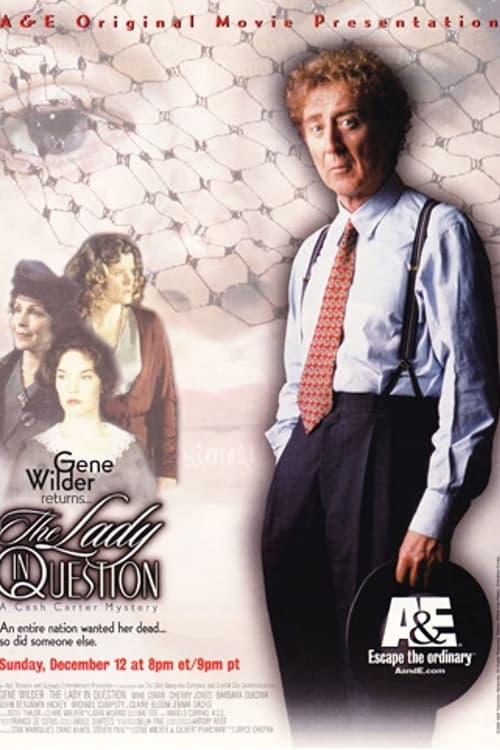
The Giraffe
1999
No user ratings available yet
Representation score: 7.8 out of 10
Representation Score
Fair
1999
TV-PGDirector
Joyce Chopra
Runtime
94 minutes
Average Rating
No ratings yetNew Showbiz Analysis
The film stands out by centering on the political and social stakes of a minority identity during a period of extreme volatility. By focusing on a Jewish-rights activist, the narrative moves beyond Anglo-centric historical perspectives to explore multi-layered vulnerability. However, the film remains limited by a lack of explicit representation for LGBTQ+ and disability identities. While the thematic core is built on underrepresented ability to act, the character dynamics follow some conventional procedural clichés.
Category Breakdown
The film does not include any explicit depictions of LGBTQ+ identities or non-straight relationships. While the setting involves persecuted minorities, there is no overt LGBTQ+ representation.
Emma Sachs serves as a central female figure whose activism drives the mystery. This highlights female empowerment, though the presence of a male detective suggests traditional procedural elements.
The story centers on Jewish identity and the systemic threats posed by the Nazi regime. This focus allows exploration of the lived experiences of an ethnic minority.
The narrative engages with themes of systemic oppression and extremist ideologies. It challenges dominant political structures by focusing on a victim of state-sponsored persecution.
There is no evidence regarding the portrayal of physical or neurodivergent disabilities in this film.
Present on Screen
Limited or Absent
Official Synopsis
In 1938, Jewish-rights activist Emma Sachs is targeted by the Nazis. When she dies, foul play is suspected. But was it the Nazis, or was it someone else? Det. Tony Rossini investigates, along with Larry "Cash" Carter, a theatre director connected to Mrs. Sachs and her family.
1999

1946
1948
1976

1992

2015
1997
1991
No reviews yet. Be the first to share your thoughts on this movie!
Use the rating form above to leave a star rating and optional review.