
The Tenth Man
1988
No user ratings available yet
Representation score: 2.3 out of 10
Representation Score
Good
1976
PGDirector
Joseph Losey
Runtime
123 minutes
Average Rating
No ratings yetNew Showbiz Analysis
Joseph Losey directs the film with a personal understanding of systemic persecution. By focusing on the vulnerability of a underrepresented identity, the film delves deeply into the fragility of truth, moving beyond surface-level clichés. However, the film's scope is limited. It centers on the male protagonist's psychological unraveling, resulting in a lack of strong female roles and minimal representation of LGBTQ+ identities. This narrow focus on individual paranoia overlooks broader social diversity. Overall, the film is a powerful critique of institutional failure. Its deep engagement with ethnic identity and the corruption of social perception adds significant qualitative depth.
Category Breakdown
The film does not include prominent LGBTQ+ characters or stories. It focuses on ethnic identity and political paranoia, ignoring non-traditional gender identities.
The story revolves around a male character's mental breakdown. There are no strong roles for female characters, and traditional gender power dynamics are not challenged.
The film explores Jewish identity and the impact of the Holocaust with sophistication. Ethnic identity is a key element in the high-stakes psychological drama.
The movie effectively critiques institutional reliability and moral relativism. It provides a deep look into the instability of truth within Western social structures.
The film highlights psychological distress and paranoia to create tension. However, it does not specifically address neurodivergence or physical disabilities.
Present on Screen
Limited or Absent
Official Synopsis
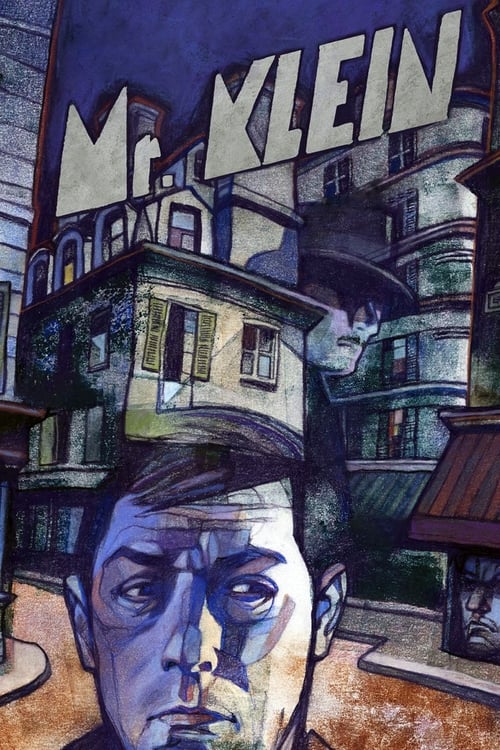
Paris, France, 1942, during the Nazi occupation. Robert Klein, a successful art dealer who benefits from the misfortunes of those who are ruthlessly persecuted, discovers by chance that there is another Robert Klein, apparently a Jewish man; someone with whom he could be mistakenly identified, something dangerous in such harsh times.
1988
1980

1997

1965

1990

1946

2006

1959
No reviews yet. Be the first to share your thoughts on this movie!
Use the rating form above to leave a star rating and optional review.