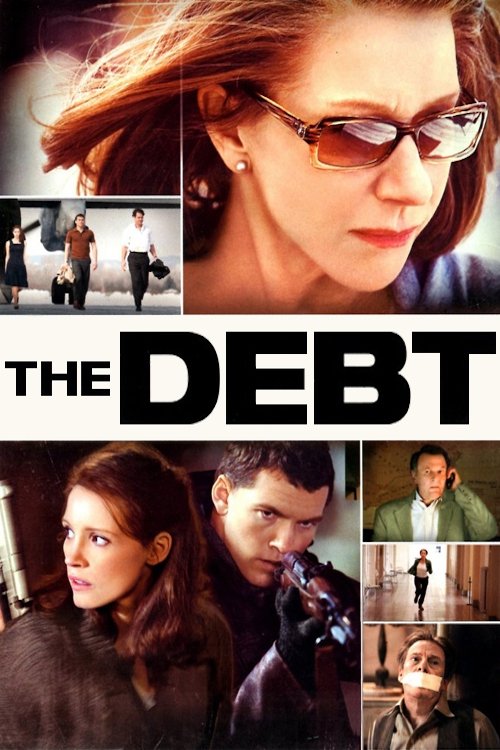
The Debt
2010
No user ratings available yet
Representation score: 6.7 out of 10

Representation Score
Fair
2007
Director
Assaf Bernstein
Runtime
92 minutes
Average Rating
No ratings yetNew Showbiz Analysis
The film stands out by placing women in powerful, strategic roles within an intelligence ability to act, challenging traditional espionage narratives. However, its narrow demographic focus limits the scope of representation. The absence of LGBTQ+ characters and multi-ethnic casting confines the story to a specific historical and geopolitical context. Ultimately, the film offers a sophisticated exploration of moral compromise and the manipulation of institutional truth.
Category Breakdown
The film does not include any LGBTQ+ characters or non-assuming gender matches what was assigned at birth identities, focusing solely on the experiences of Mossad agents and Holocaust history.
Women play central roles in the film, driving the plot through their tactical and intellectual contributions within an intelligence ability to act. This challenges traditional espionage narratives by highlighting female leadership and strategic thinking.
The cast is primarily composed of white actors, reflecting the 1960s European setting and the historical context of Mossad operations. However, the film does not showcase a wide range of ethnicities.
The film delves into moral relativism and the manipulation of state narratives. It examines the psychological impact of institutional deception, critiquing the integrity of such systems.
There are no significant or intentional depictions of physical, sensory, or neurodivergent disabilities. Characters are defined by their professional skills and psychological struggles rather than by disabilities.
Present on Screen
Limited or Absent
Official Synopsis
The year is 1964. Rachel Brener is one of 3 young Mossad agents teem who caught "THE SURGEON OF BIRKENAU" - a Nazi monster who was never brought to trial in Israel. The official reason was that he was shot to death while trying to escape from Israeli captivity in a safe house somewhere in Europe. 30 years after, the well communicated death story of the monster could be questionable, a small article appears in a local unimportant paper in a small town in Ukraine. Surprisingly the Surgeon is ALIVE and is willing to admit his crimes against the human race and especially the Jews. The 3 older x Mossad agents who are in their late 60th became aware to this unfortunate threatening knowledge. The fact was that the "Surgeon" managed to escape from his guards 30 years ago.
2010

1976
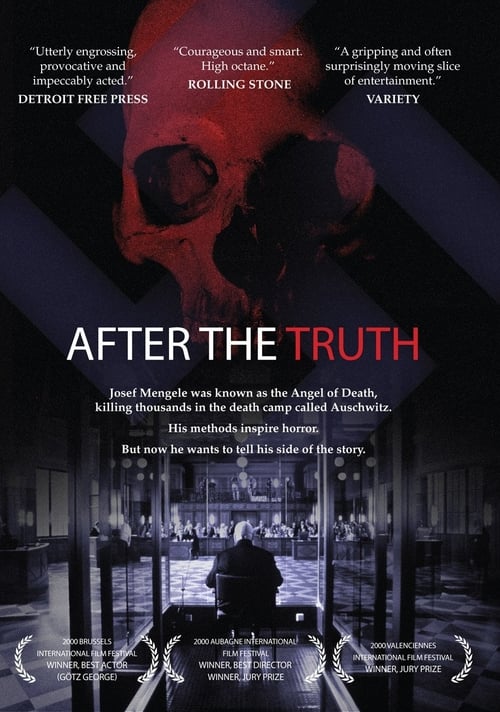
1999
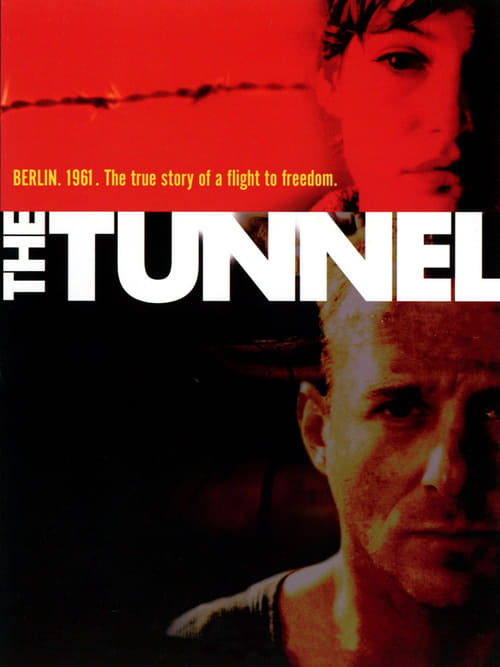
2001
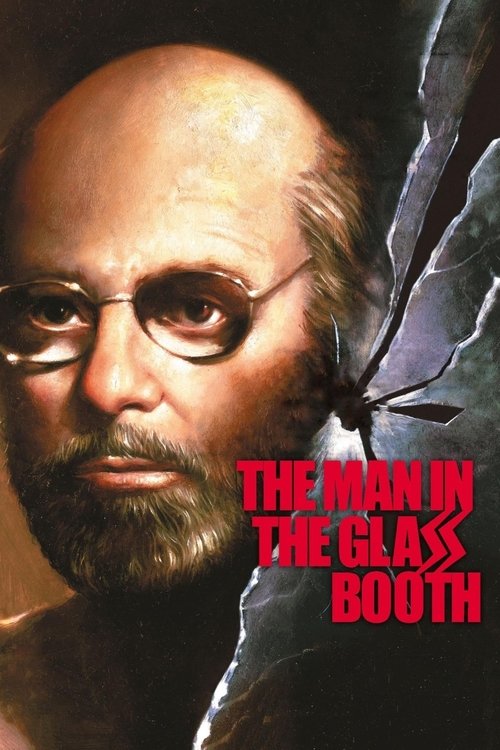
1975
1974
1967

2018
No reviews yet. Be the first to share your thoughts on this movie!
Use the rating form above to leave a star rating and optional review.