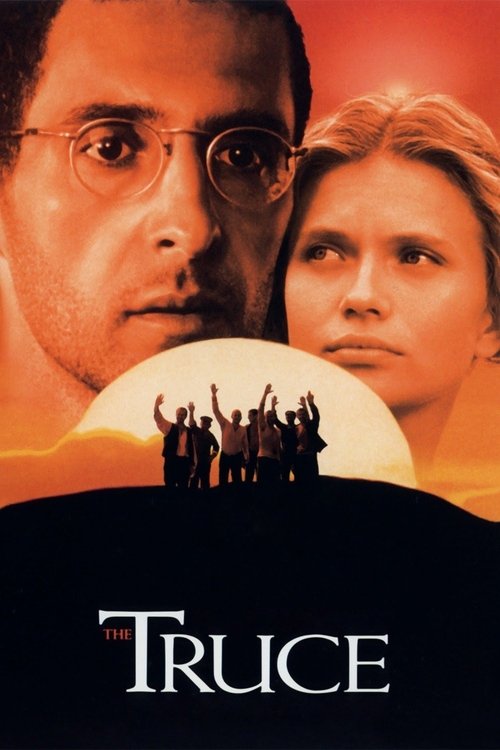
The Truce
1997
No user ratings available yet
Diversity score: 2.8 out of 10
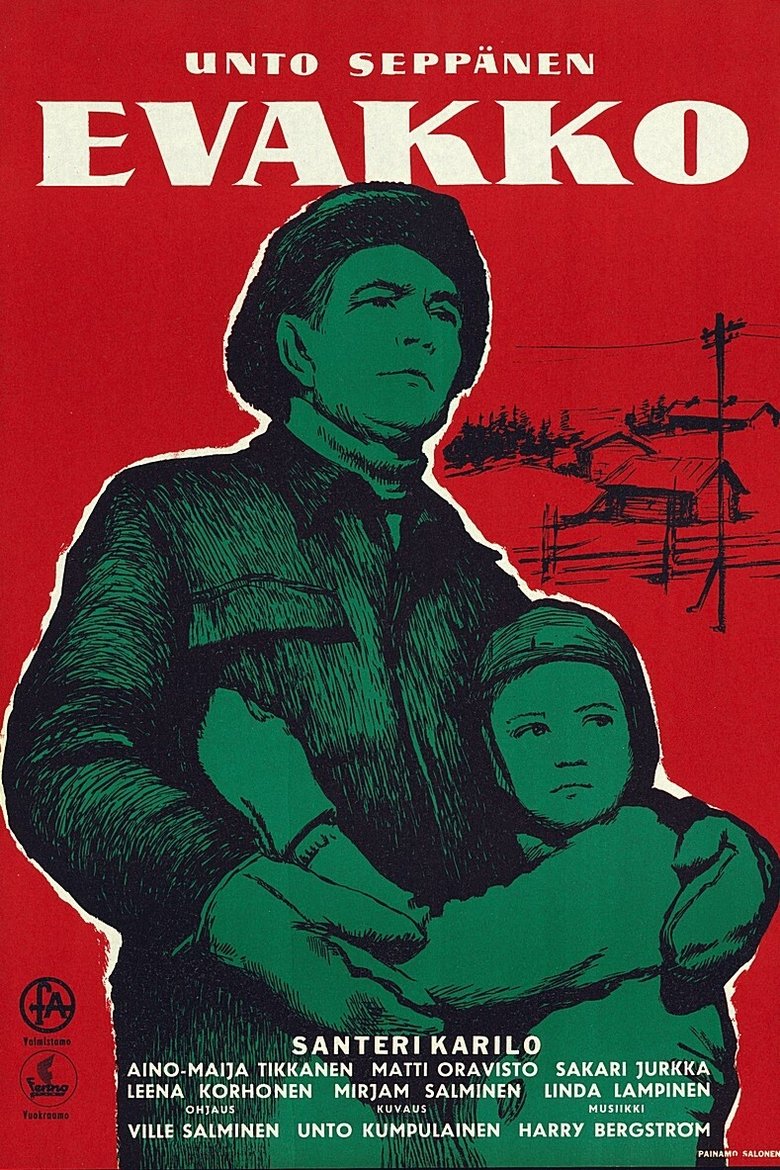
1956
Director
Ville Salminen
Runtime
101 minutes
Average Rating
No ratings yetSynopsis
Evakko is a portrayal of Soviet-Finnish winter war of 1939/40 and the associated evacuations in different parts of the country. It tells the story of a Karelian family along with their whole village who were forced to leave their homes because of the war. The film has a surprisingly perky tone for the subject matter.
Overall Score
Limited
Category Breakdown
LGBTQ+ Representation
The film lacks LGBTQ+ characters or narratives. It focuses on communal wartime experiences that prioritize heteronormative family structures.
Gender Representation
Representation follows traditional mid-century social hierarchies. Men likely occupy leadership roles while women are depicted within domestic or caregiving spheres.
Racial & Ethnic Diversity
The story centers on a homogeneous Finnish and Karelian population. It does not engage with intersectional racial diversity or non-white casting.
Religious & Cultural Diversity
The narrative emphasizes patriotism and communal resilience. It reinforces traditional social institutions and the sanctity of the homeland during crisis.
Disability Representation
There is no evidence of characters with visible or invisible disabilities. Physical trauma from war is not explicitly addressed as a narrative element.
Strengths
Areas for Improvement
AI Analysis
Evakko functions as a localized historical drama rooted in mid-century Finnish realism. The narrative focuses on the displacement of a Karelian village during the Winter War, prioritizing national endurance and communal identity over social subversion. The film adheres to the era's traditional demographic norms. It centers on a homogeneous ethnic group and follows established gender roles common to 1950s war cinema, where domestic and leadership roles are strictly defined. Ultimately, the work serves as a chronicle of national survival. It lacks the intersectional representation or diverse character arcs required to move beyond a traditional, period-specific social framework.
1997
1971
2008

1943
2004
1993

2023
1964
2017
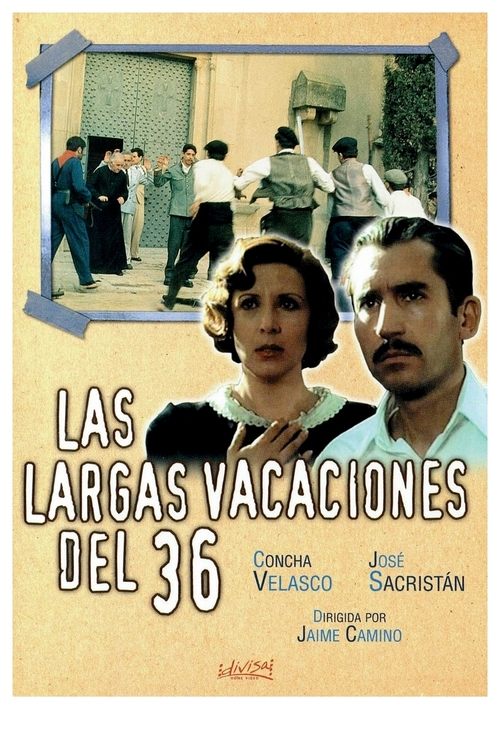
1976
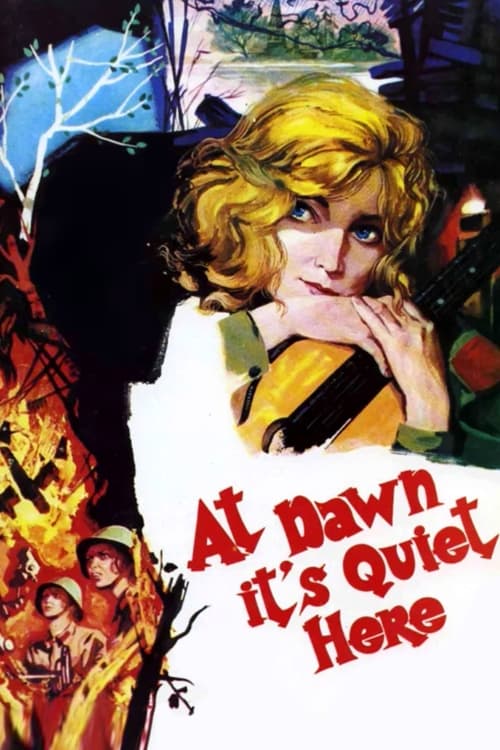
1972

2016
No reviews yet. Be the first to share your thoughts on this movie!
Use the rating form above to leave a star rating and optional review.