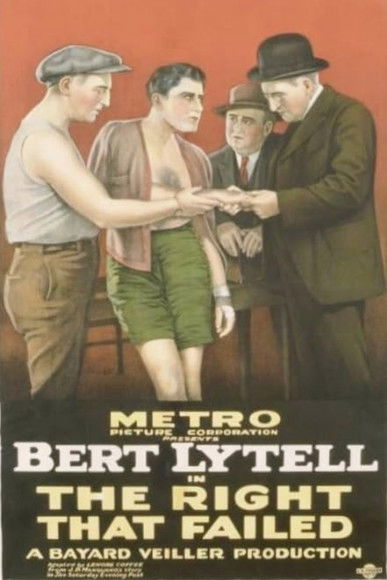
The Right That Failed
1922
No user ratings available yet
Diversity score: 3.1 out of 10
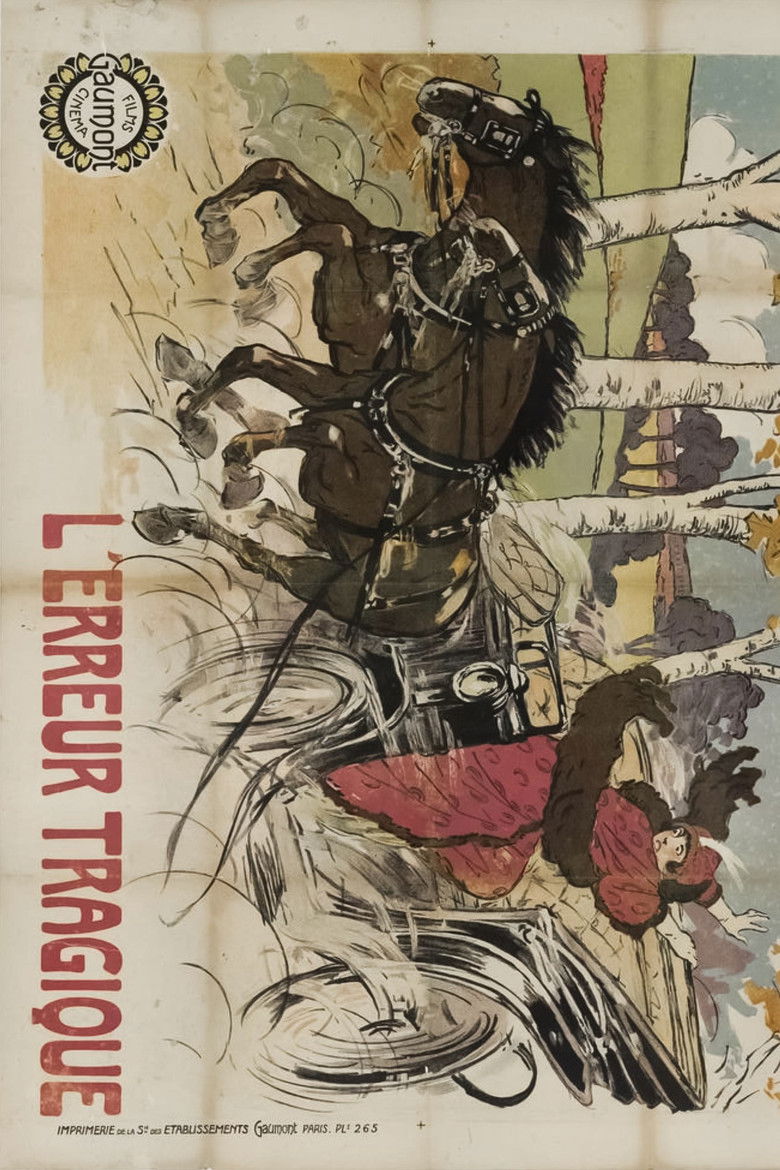
1913
Not RatedDirector
Louis Feuillade
Runtime
25 minutes
Average Rating
No ratings yetSynopsis
When he goes to Paris an aristocrat steps into a cinema and is shocked by something he sees on screen.
Overall Score
Limited
Category Breakdown
LGBTQ+ Representation
The film contains no evidence of queer narratives or non-heteronormative identities. It appears to adhere to the standard social depictions of 1913.
Gender Representation
The story centers on an aristocratic male protagonist. There is little evidence to suggest women are portrayed with agency or that the film subverts gender hierarchies.
Racial & Ethnic Diversity
Set in Paris, the narrative focuses on Eurocentric social structures. The film likely reflects the homogeneous demographics of early 20th-century France.
Religious & Cultural Diversity
The film explores the friction between traditional aristocracy and the modern experience of cinema. It highlights the tension between established social orders and new media.
Disability Representation
There is no evidence of characters with visible or invisible disabilities being integrated into the narrative or used as central plot devices.
Strengths
Areas for Improvement
AI Analysis
Tragic Error is a period-specific study of social class and the psychological impact of early cinema. The narrative focuses on an aristocrat's reaction to a cinematic image, emphasizing the disruption of traditional hierarchies through modern technology. Because the film predates modern intersectional frameworks, it lacks intentional demographic subversion. The focus remains on the tension between the elite and the burgeoning medium of film. Ultimately, the work serves as a historical document of class-based perspectives rather than a vehicle for progressive representation.
1922
1922

1921
1915
1920

1930
1928

1914

1927

1909
1924
1933
No reviews yet. Be the first to share your thoughts on this movie!
Use the rating form above to leave a star rating and optional review.