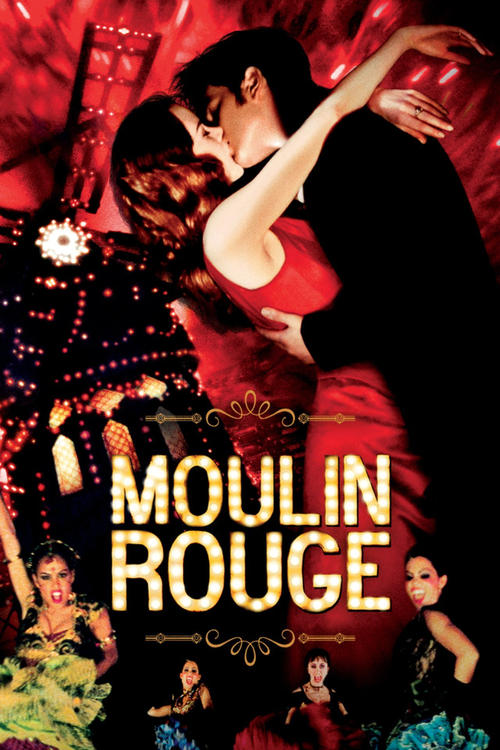
Moulin Rouge!
2001
No user ratings available yet
Representation score: 3.8 out of 10

Representation Score
Good
1972
PGDirector
Bob Fosse
Runtime
124 minutes
Average Rating
No ratings yetNew Showbiz Analysis
Bob Fosse’s direction uses the Kit Kat Club to break down traditional social hierarchies and moral stability. The film excels at portraying non-traditional identities and gender subversion through its main characters. While the film offers a sophisticated critique of systemic oppression and the failures of liberal institutions, it lacks significant racial diversity in its primary cast. The focus remains on the tension between bohemian urbanity and the encroaching totalitarian regime. Ultimately, the work succeeds as a study of a society in transition, replacing simple moral solutions with a complex view of identity and power.
Category Breakdown
The Emcee stands out as a central figure whose gender expression and fluidity challenge traditional norms. The Kit Kat Club portrays a world where sexual fluidity is a normal part of the social landscape.
Sally Bowles defies traditional feminine roles by maintaining sexual autonomy and emotional volatility. She rejects domesticity and patriarchal expectations in favor of personal pleasure.
The film highlights the exclusion of minority groups in 1931 Berlin, capturing the systemic persecution faced by these communities as the Nazi party imposes cultural uniformity.
The narrative criticizes established institutions such as religion and patriotism, showing them as either complicit or ineffective. It explores moral ambiguity in a collapsing social order.
There are no prominent depictions of physical or neurodivergent disabilities that significantly impact the plot or serve as central character arcs.
Present on Screen
Limited or Absent
Official Synopsis
Inside the Kit Kat Club of 1931 Berlin, starry-eyed singer Sally Bowles and an impish emcee sound the clarion call to decadent fun, while outside a certain political party grows into a brutal force.
2001
1952

1977

1954
1993

2008

1955

1981
No reviews yet. Be the first to share your thoughts on this movie!
Use the rating form above to leave a star rating and optional review.