Miles Ahead
2016
No user ratings available yet
Representation score: 8.3 out of 10
Representation Score
Excellent
2021
RDirector
Lee Daniels
Runtime
131 minutes
Average Rating
No ratings yetNew Showbiz Analysis
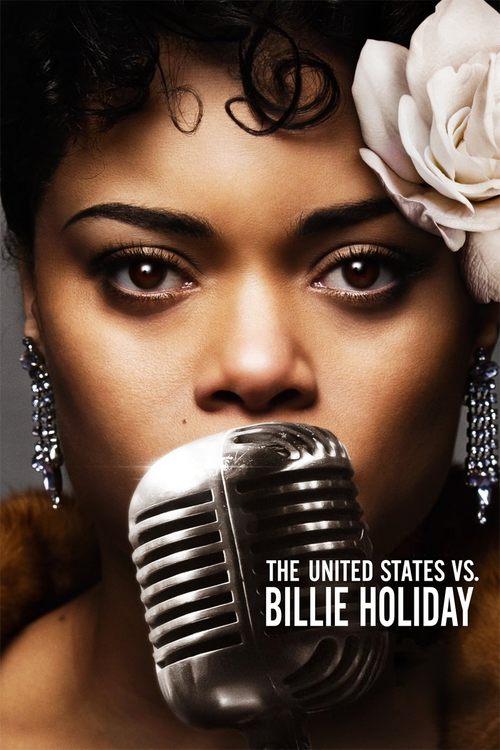
Lee Daniels delivers a sophisticated biographical drama that reframes historical events through a lens of systemic critique. The film succeeds by moving away from traditional clichés to examine how identity and power intersect within the American legal framework. The narrative's greatest strength is its unflinching look at racialized oppression. By centering the struggle of a Black woman against the Federal Bureau of Narcotics, it exposes how the 'war on drugs' functioned as a tool for racial control. However, the film's impact is somewhat limited by its narrow focus. While it masterfully deconstructs state power and gendered hierarchies, it offers little engagement with LGBTQ+ identities or specific disability ability to act.
Category Breakdown
The film does not feature primary LGBTQ+ characters or non-straight identities as central plot drivers. It focuses on the pressures facing a Black female icon without explicitly engaging with queer dynamics.
The narrative explores gendered power dynamics by centering a woman navigating a male-dominated industry. It highlights the intersection of institutional misogyny and racial persecution through Holiday's actions.
This is a profound study of racialized systemic oppression. The film depicts how law enforcement was weaponized to suppress Black cultural expression and control racial identity.
The film critiques traditional Western institutions, portraying 1940s legal systems as instruments of state-sponsored harassment. It prioritizes a critique of state power over traditional patriotic narratives.
Mental health and addiction are explored through the lens of state surveillance and psychological toll. The focus remains on sociopolitical implications rather than dedicated disability ability to act.
Present on Screen
Limited or Absent
Official Synopsis
Billie Holiday spent much of her career being adored by fans. In the 1940s, the government targeted Holiday in a growing effort to racialize the war on drugs, ultimately aiming to stop her from singing her controversial ballad, "Strange Fruit."
2016
2015
2021
1988
2008
1989
2022
1993
No reviews yet. Be the first to share your thoughts on this movie!
Use the rating form above to leave a star rating and optional review.