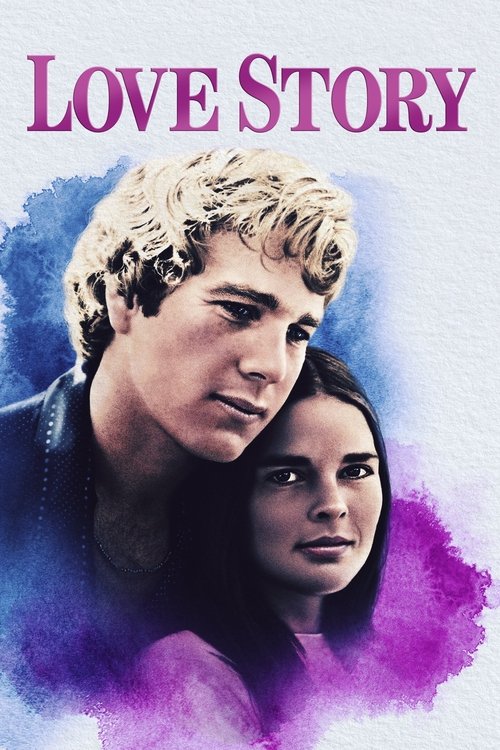
Love Story
1970
No user ratings available yet
Representation score: 4.5 out of 10

Representation Score
Fair
1973
PGDirector
Sydney Pollack
Runtime
118 minutes
Average Rating
No ratings yetNew Showbiz Analysis
The film stands out by using a romantic drama to explore systemic social critiques. By centering a Jewish woman as the primary driver of ideological conflict, it challenges the dominant cultural norms of its time. Its strength lies in the subversion of gender roles, placing the intellectual weight on the female lead. This creates a sophisticated dynamic that goes beyond typical mid-century standards. However, the film lacks representation of LGBTQ+ identities and does not include any depictions of physical or neurodivergent disabilities.
Category Breakdown
The film adheres to traditional heterosexual relationships and does not include any characters with LGBTQ+ identities or queer undertones.
Katie Morosky challenges mid-century norms by demonstrating superior intellectual and political capabilities. Hubbell Gardiner subverts traditional masculinity through his passive and emotionally withdrawn behavior.
The story focuses on the tension between Jewish identity and the predominantly white Anglo-Saxon Protestant establishment. Katie’s background plays a crucial role in her character development rather than being a superficial inclusion.
The narrative critiques Western institutions through themes of socialist activism and organized labor. It explores the tension between personal domestic life and systemic justice.
The film does not depict any significant physical or neurodivergent disabilities.
Present on Screen
Limited or Absent
Official Synopsis
Opposites attract when, during their college days, Katie Morosky, a politically active Jew, meets Hubbell Gardiner, a feckless WASP. Years later, in the wake of World War II, they meet once again and, despite their obvious differences, attempt to make their love for each other work.
1970
1968
1965

1955
1957
1982
1988
1945
No reviews yet. Be the first to share your thoughts on this movie!
Use the rating form above to leave a star rating and optional review.