
Suburbicon
2017
No user ratings available yet
Representation score: 4.5 out of 10
Representation Score
Excellent
2018
RDirector
Drew Goddard
Runtime
141 minutes
Average Rating
No ratings yetNew Showbiz Analysis
Bad Times at the El Royale succeeds in subverting the typical 1960s period-piece mold by using a multi-ethnic ensemble and challenging white-normative baselines. The film's strongest progressive element is its use of a violent, extremist group as the antagonist, which serves as a direct critique of historical racial hierarchies. Female characters are given substantial grit and intellectual autonomy, driving their own subplots within a volatile setting. This disrupts conventional gendered power dynamics often found in crime thrillers. However, the film lacks depth in LGBTQ+ and disability representation. While characters experience psychological trauma, these elements are used for genre tension rather than meaningful exploration of specific identities or lived experiences.
Category Breakdown
The film does not feature explicit LGBTQ+ character development or same-sex intimacy. Non-straight-centered identities are not central to the narrative arc.
Female characters like Emily and Rose play significant roles in driving the story and demonstrate autonomy. They navigate male-dominated environments without falling into traditional submissive femininity clichés.
A multi-ethnic cast challenges the typical homogeneity of 1960s period pieces. The film effectively highlights white supremacist ideologies as the primary systemic villain.
The narrative explores moral relativism and anti-heroes driven by survival. It critiques extremist, hate-based ideologies and the era's traditional authority figures.
Representation of visible or invisible disabilities is limited. Psychological distress is present, but it serves the thriller genre rather than exploring specific neurodivergence or chronic illness.
Present on Screen
Limited or Absent
Official Synopsis
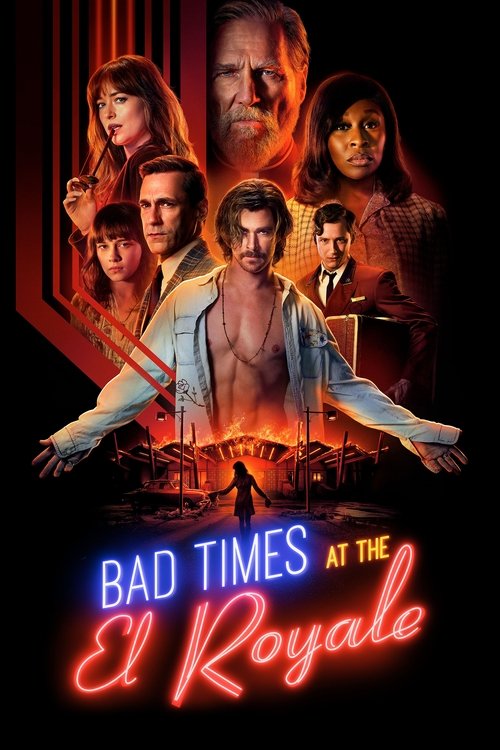
Lake Tahoe, 1969. Seven strangers, each one with a secret to bury, meet at El Royale, a decadent motel with a dark past. In the course of a fateful night, everyone will have one last shot at redemption.
2017
1955

2017
1945

2018
1996
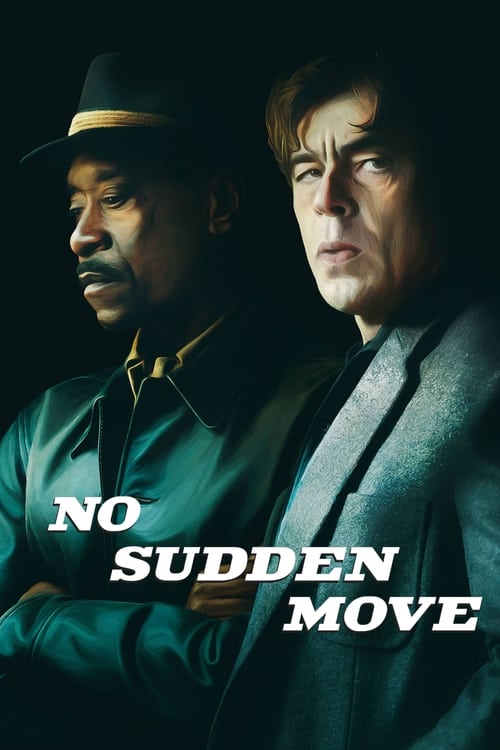
2021
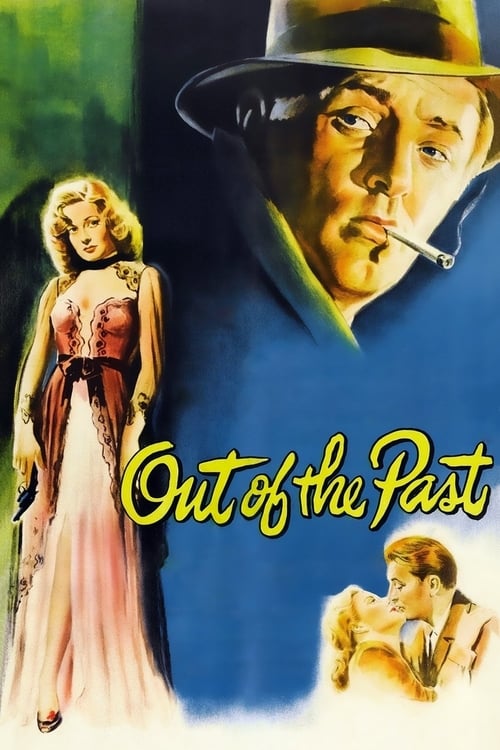
1947
No reviews yet. Be the first to share your thoughts on this movie!
Use the rating form above to leave a star rating and optional review.