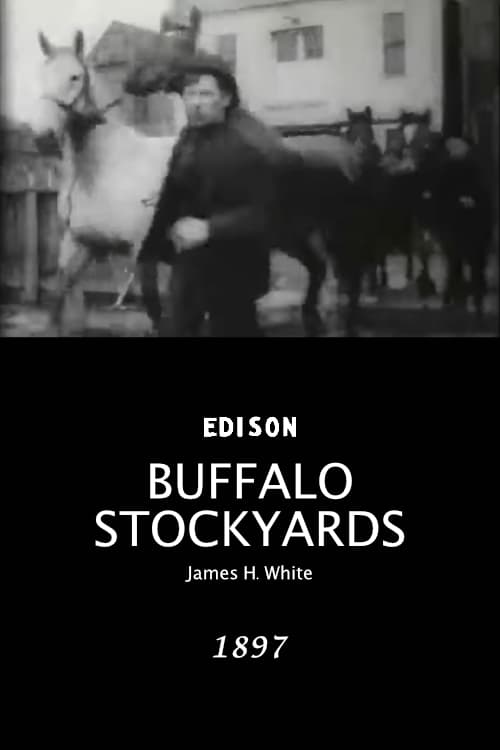
Buffalo Stockyards
1897
No user ratings available yet
Representation score: 0.0 out of 10
No Poster Available
Representation Score
Minimal
1897
Director
James H. White
Runtime
1 minutes
Average Rating
No ratings yetNew Showbiz Analysis
This 1897 documentary serves as a primitive, non-narrative observation of the Chicago stockyards. Because the film centers on animal husbandry and the mechanical actions of herding, it lacks the character-driven elements needed for meaningful representation. The content is purely functional, documenting the movement of long-horn cattle. Without human-centric storytelling or social commentary, the film cannot engage with identity-based frameworks or systemic social issues. Ultimately, the work is a historical record of industrial labor rather than a medium for exploring human diversity or social intersectionality.
Category Breakdown
The film is a brief observational documentary focused on livestock management. It contains no human characters or narratives addressing LGBTQ+ identities.
The focus remains strictly on cattle and the labor of cowhands. There is insufficient detail to evaluate gender hierarchies or the presence of women.
The footage depicts an industrial agricultural process. No specific racial or ethnic identities are documented or visible in the depiction of the herding.
The film provides a raw look at early industrial capitalism and meatpacking. It functions as a neutral observation of contemporary commerce rather than a cultural critique.
There is no evidence of subjects portraying physical, neurodivergent, or sensory disabilities within this footage.
Present on Screen
Limited or Absent
Official Synopsis
In the Chicago stockyards, the gates of a pen of long-horn cattle are open and the cattle are being herded out by several cowhands.
1897
1978
1905
1896
1896
1897
1897
1896
No reviews yet. Be the first to share your thoughts on this movie!
Use the rating form above to leave a star rating and optional review.