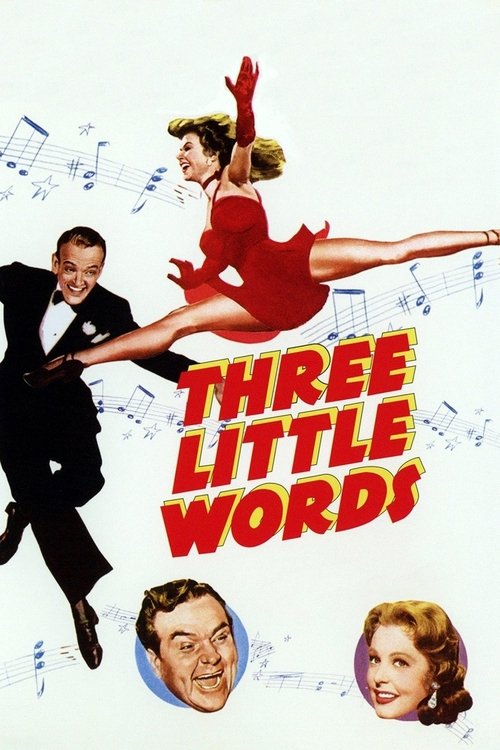
Three Little Words
1950
No user ratings available yet
Representation score: 0.4 out of 10
Representation Score
Minimal
1937
NRDirector
Kurt Neumann
Runtime
77 minutes
Average Rating
No ratings yetNew Showbiz Analysis
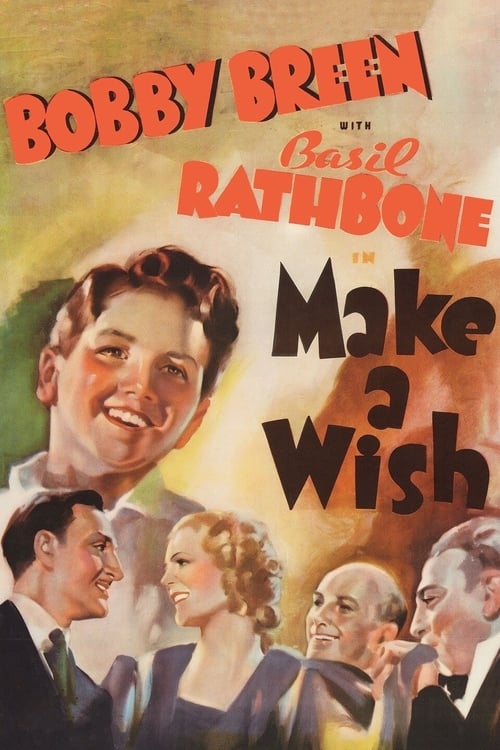
Make a Wish is a product of its time, functioning as a typical 1930s musical comedy that relies on established social hierarchies. The narrative structure prioritizes conventional romantic and familial stability over any form of systemic challenge. The primary conflict revolves around a composer's writer's block and a fiancé's control over a female singer's career. This dynamic reinforces conservative formulas rather than offering nuanced or diverse perspectives. Ultimately, the lack of depth in representing diverse identities and the adherence to 1930s social norms result in a limited portrayal of varied identities.
Category Breakdown
The film focuses on traditional romantic relationships and family structures. It does not include any representation of non-straight identities or stories that challenge the idea that everyone is straight.
The story emphasizes a traditional power structure where men have control over women. Irene Winters' professional opportunities are limited by her fiancé's refusal to allow her to perform.
The story is set in a localized Western social environment. It seems to follow the homogeneous casting practices typical of 1930s musical comedies.
The themes center around conventional social harmony, professional reputation, and the stability of the nuclear family. The plot does not question Western institutions.
The film does not mention any characters with visible or invisible disabilities. It also does not represent neurodivergence or mental health conditions.
Present on Screen
Limited or Absent
Official Synopsis
While vacationing at a boys' camp, the rambunctious Chip Winters befriends a famed composer Johnny Selden. Stuck for an inspiration for his latest operetta, Selden at last finds it when he meets Chip's gorgeous mother Irene Winters, a popular singer. Alas, her stiff-necked fiancé Walter Mays refuses to allow her to return to the stage, whereupon Rathbone spirals into a depression -- and even worse, a profound case of writers' block.
1950
1933
1951
1954
1933
1940
1946
1945
No reviews yet. Be the first to share your thoughts on this movie!
Use the rating form above to leave a star rating and optional review.