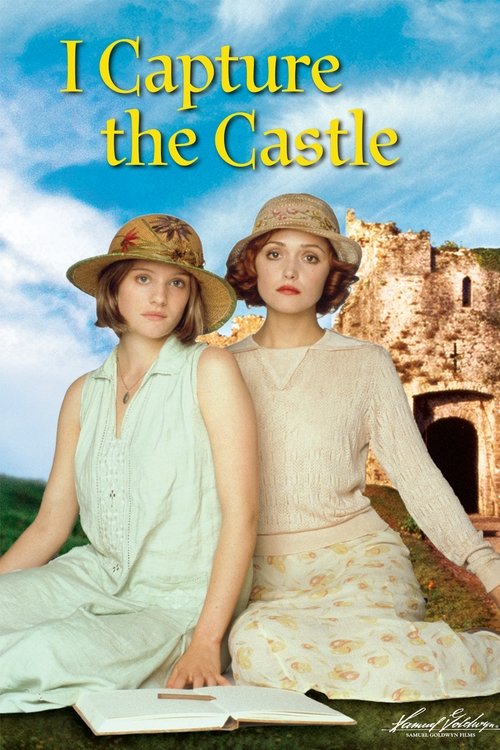
I Capture the Castle
2003
No user ratings available yet
Diversity score: 3.0 out of 10
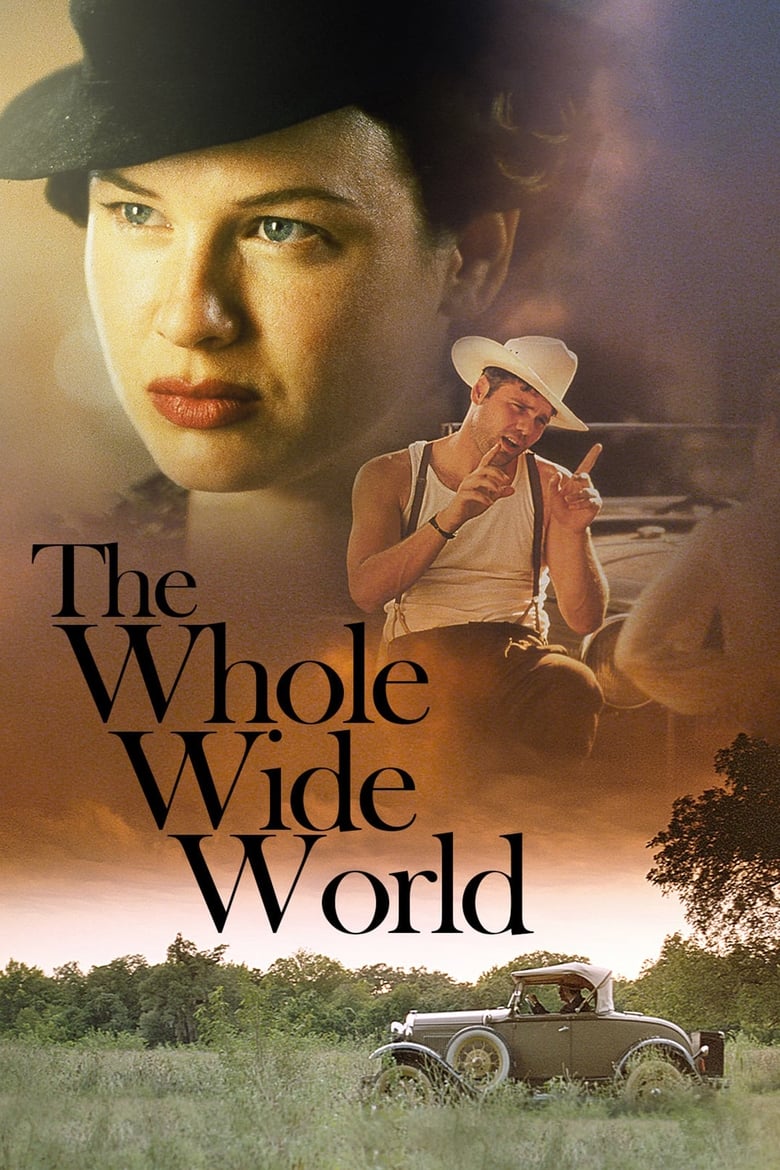
1996
PGDirector
Dan Ireland
Runtime
106 minutes
Average Rating
No ratings yetSynopsis
In 1930s Texas, pulp fiction master Robert E. Howard is introduced to Novalyne Price, a teacher with aspirations of becoming an author herself, and they begin a unique relationship filled with conversation and imagination. Although the possibility exists for romance, Howard's obsession with his work and dedication to his sick mother leads Price to look elsewhere for love, leaving Howard feeling betrayed and alone.
Overall Score
Limited
Category Breakdown
LGBTQ+ Representation
The film centers on a heterosexual romantic tension between Robert E. Howard and Novalyne Price. It adheres to traditional 1930s romantic structures without queer subtext.
Gender Representation
Novalyne Price is depicted with significant intellectual and creative agency. She is an aspiring author who makes autonomous decisions rather than serving as a passive romantic interest.
Racial & Ethnic Diversity
Set in 1930s Texas, the cast and central characters are predominantly white. The narrative reflects the demographic realities of the era without integrating diverse ethnic perspectives.
Religious & Cultural Diversity
The story offers a subtle critique of socioeconomic pressures and familial obligations. It functions as a character study of individualistic struggle rather than an overt ideological critique.
Disability Representation
The illness of Howard’s mother serves as a major narrative driver. However, this depiction functions primarily as a plot catalyst rather than an exploration of disability agency.
Strengths
Areas for Improvement
AI Analysis
The film is a traditional period drama that prioritizes biographical accuracy and psychological depth. It succeeds in giving its female lead professional ambitions and autonomy, moving beyond the trope of the secondary romantic interest. However, the film lacks broader demographic breadth. The representation remains within the conventional bounds of a 1930s Texas setting, offering little in the way of racial or LGBTQ+ diversity. Ultimately, while the character study is nuanced, the narrative does not engage with modern intersectional frameworks or systemic critiques.
2003
1998
1961
2000
1998
1938
1987

1984
2001

2011

1984

1990
No reviews yet. Be the first to share your thoughts on this movie!
Use the rating form above to leave a star rating and optional review.