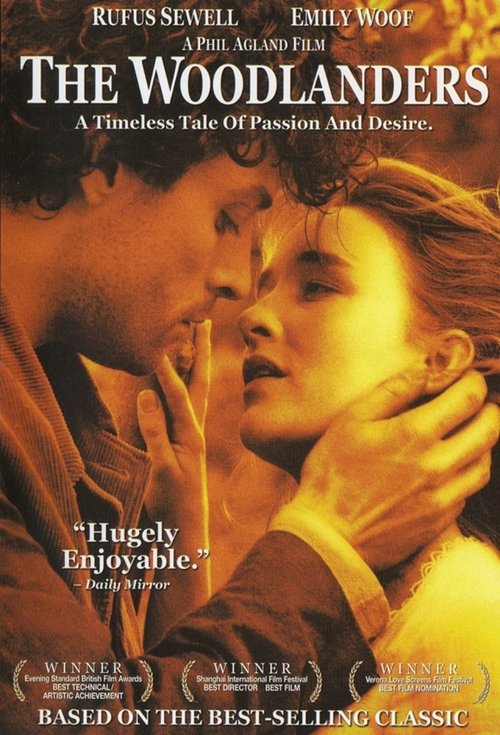
The Woodlanders
1998
No user ratings available yet
Representation score: 2.1 out of 10
Representation Score
Fair
2003
RDirector
Tim Fywell
Runtime
113 minutes
Average Rating
No ratings yetNew Showbiz Analysis
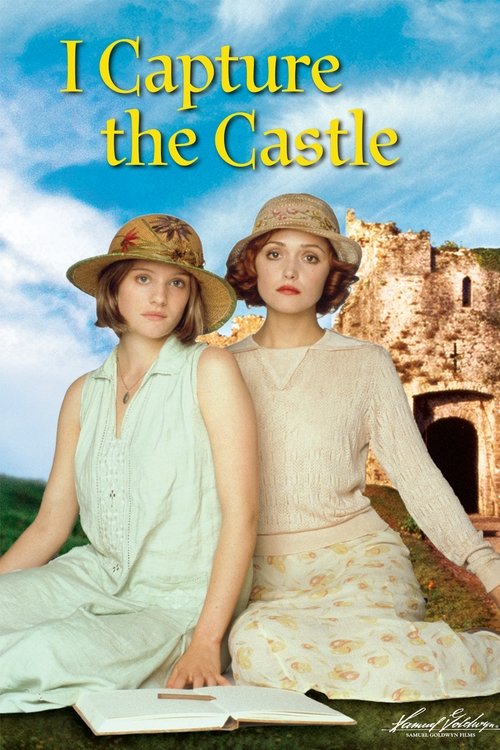
I Capture the Castle is a character-driven period drama that prioritizes individual coming-of-age stories over broader social critiques. It succeeds in elevating the female protagonist's intellect, offering a nuanced look at female empowerment within a rigid class structure. However, the film remains tied to the demographic norms of its 1930s setting. It lacks diverse representation and does not attempt to challenge traditional hierarchies or provide representation for LGBTQ+ or non-white characters. Ultimately, the film serves as a traditional historical reconstruction rather than a progressive subversion of its era's social standards.
Category Breakdown
The film follows traditional romantic storylines from the 1930s. It does not include same-sex relationships or non-cisgender identities, focusing instead on heterosexual relationships and societal norms of the time.
Cassandra Mortmain offers a strong female perspective. The story highlights her intellectual abilities and the socioeconomic constraints women faced during this era.
Set within a localized English context, the cast reflects a homogeneous social stratum. There is no evidence of non-Anglo-Saxon characters or race-bent casting.
The narrative critiques the rigidity of class structures through the lens of a decaying family. It explores the instability of the landed gentry and traditional social orders.
Family eccentricities are treated as social non-conformity rather than disabilities. There are no central arcs focused on neurodivergence, physical disabilities, or chronic illnesses.
Present on Screen
Limited or Absent
Official Synopsis
In 1930s England, 17-year-old Cassandra Mortmain and her eccentric family struggle to survive in a decaying English castle.
1998

1931

1995

1969
2000

1996
1987

1951
No reviews yet. Be the first to share your thoughts on this movie!
Use the rating form above to leave a star rating and optional review.