Reporters
1981
No user ratings available yet
Representation score: 6.2 out of 10
Representation Score
Good
1998
Director
Raymond Depardon
Runtime
97 minutes
Average Rating
No ratings yetNew Showbiz Analysis
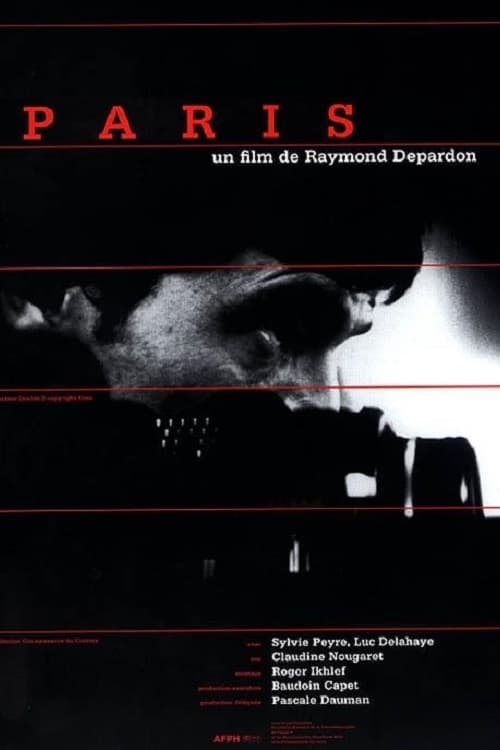
Depardon’s documentary serves as a meta-cinematic exploration of the casting process. It emphasizes observational realism and the everyday rhythms of Parisian life over a centralized ideological message. The film's strength lies in its fragmented structure and its refusal to impose a single truth on its subjects. While the film does not actively advocate for social issues or score highly in representing multiple aspects of identity, it avoids reinforcing stereotypes. By maintaining a detached distance, it functions as a respectful sociological record of urban life.
Category Breakdown
The film takes a neutral stance and does not center LGBTQ+ characters or challenge assumptions about straight relationships.
The film looks at gender through the perspective of the male gaze. It complicates power dynamics by focusing on women's personal lives instead of their professional roles.
The film showcases a variety of Parisians, reflecting the city's multicultural reality. This natural depiction moves away from a monocultural view.
The film presents a range of human experiences without promoting any single religious framework. It avoids traditional Western narratives of progress and heroism.
There is no significant or intentional focus on characters with disabilities. Individuals appear in public spaces but are not central to the story.
Present on Screen
Limited or Absent
Official Synopsis
Utilizing a combination of professional actors and man-on-the-street interviews, French director Raymond Depardon has created a film about filmmaking that centers on a rather discriminating director's search for the perfect leading lady. The main problem is that the helmer (Luc Delahaye) doesn't really know what his next film will be about, let alone what kind of woman should be his star. Looking for inspiration, the director and his casting agent (Sylvie Peyre) visit the Saint Lazare train station in Paris and shoot some footage of passengers entering and exiting the trains. Later he encounters a few actresses, but rather than asking about their professional experiences, the director focuses on their personal lives. After several fruitless interviews, the director confesses to the casting agent that he really wants to utilize a non-professional actress.
1981

1961
![Movie poster for Streetscapes [Dialogue]](https://image.tmdb.org/t/p/w500/lbaDCCZJ6xwvNLO5qFDBmjnjaOH.jpg)
2017
1929

2005

2018
2016
2005
No reviews yet. Be the first to share your thoughts on this movie!
Use the rating form above to leave a star rating and optional review.