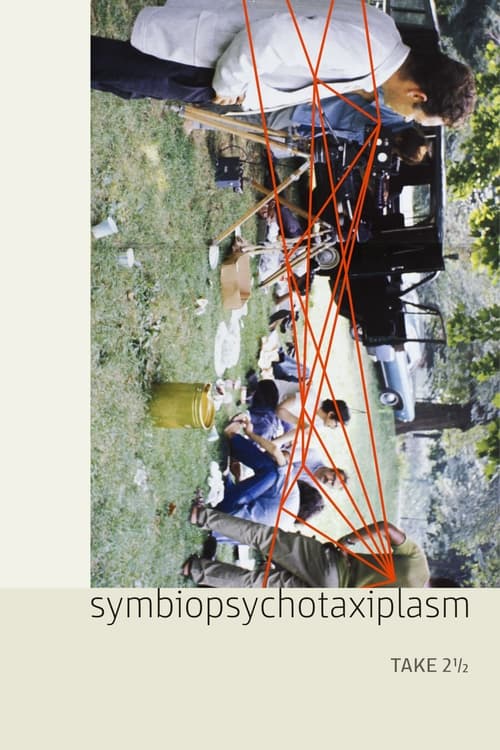
Symbiopsychotaxiplasm: Take 2½
2005
No user ratings available yet
Representation score: 6.3 out of 10
Representation Score
Good
2005
Director
Agnès Varda
Runtime
36 minutes
Average Rating
No ratings yetNew Showbiz Analysis
Agnès Varda’s documentary is a sophisticated exploration of cinematic history that emphasizes the importance of its female subjects. It moves away from traditional storytelling to focus on identity and the nuances of memory. The film stands out by challenging male-dominated industry hierarchies and focusing on female perspectives and the creative process. This creates a strong foundation for gender-focused representation and cultural subjectivity. However, the film lacks demographic diversity. The focus remains on a specific historical group in Paris, resulting in limited racial diversity and a lack of explicit LGBTQ+ or disability representation.
Category Breakdown
This documentary focuses on a film known for exploring female subjectivity. However, it does not include explicit depictions of queer intimacy or non-binary identities.
The work centers on the female experience and the female perspective. It challenges traditional hierarchies by highlighting female creators, assistant directors, and the lived experiences of its cast.
The film provides a localized look at a specific era of French cinema in Paris. It focuses on a particular group of actors and crew without showing much racial diversity.
The film emphasizes personal truth and individual memories rather than strict institutional narratives. It highlights the challenges of low-budget filmmaking through a humanistic lens.
There is no indication of visible or invisible disabilities being portrayed in this documentary.
Present on Screen
Limited or Absent
Official Synopsis
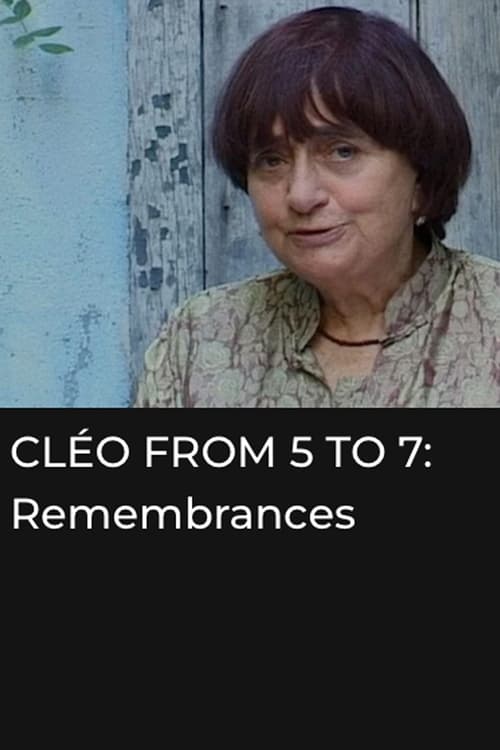
More than 40 years after making "Cléo de 5 à 7," Agnes Varda invites her star, two other cast members, and her assistant directors to look back. She takes us through the film, from opening scene to the end, visiting its Paris locales, placing her aged actors in the same spots, telling stories, and listening to others' reflections on the making of the film. She and they talk about making a film on a low budget, its showing at Cannes, and trying to fix a problem in the last shot. Her assistant directors discuss casting, costumes, sets, and the ways the film changed their approaches to filmmaking.
2005
2008
2019
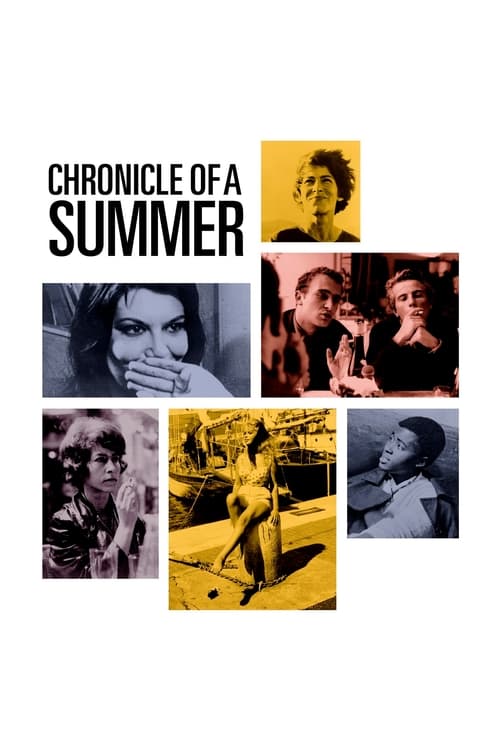
1961
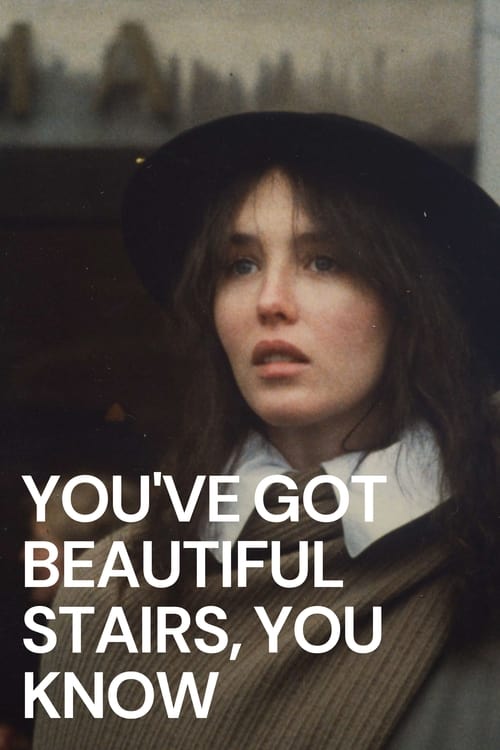
1986
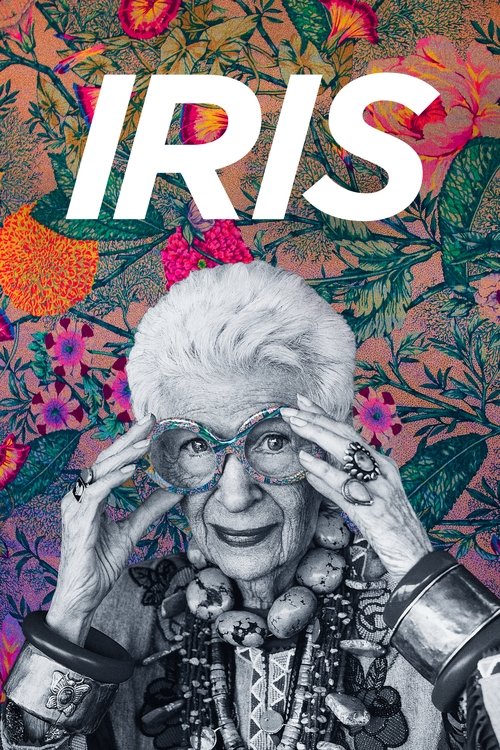
2014
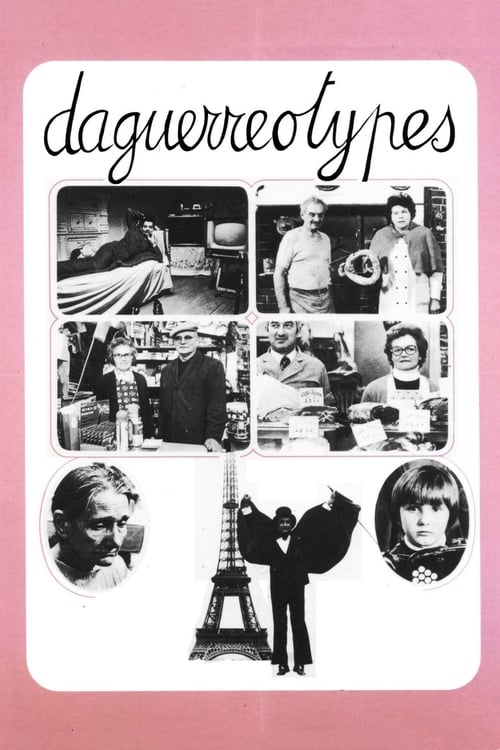
1978
2016
No reviews yet. Be the first to share your thoughts on this movie!
Use the rating form above to leave a star rating and optional review.