A Journey in Spring
2024
No user ratings available yet
Diversity score: 5.9 out of 10
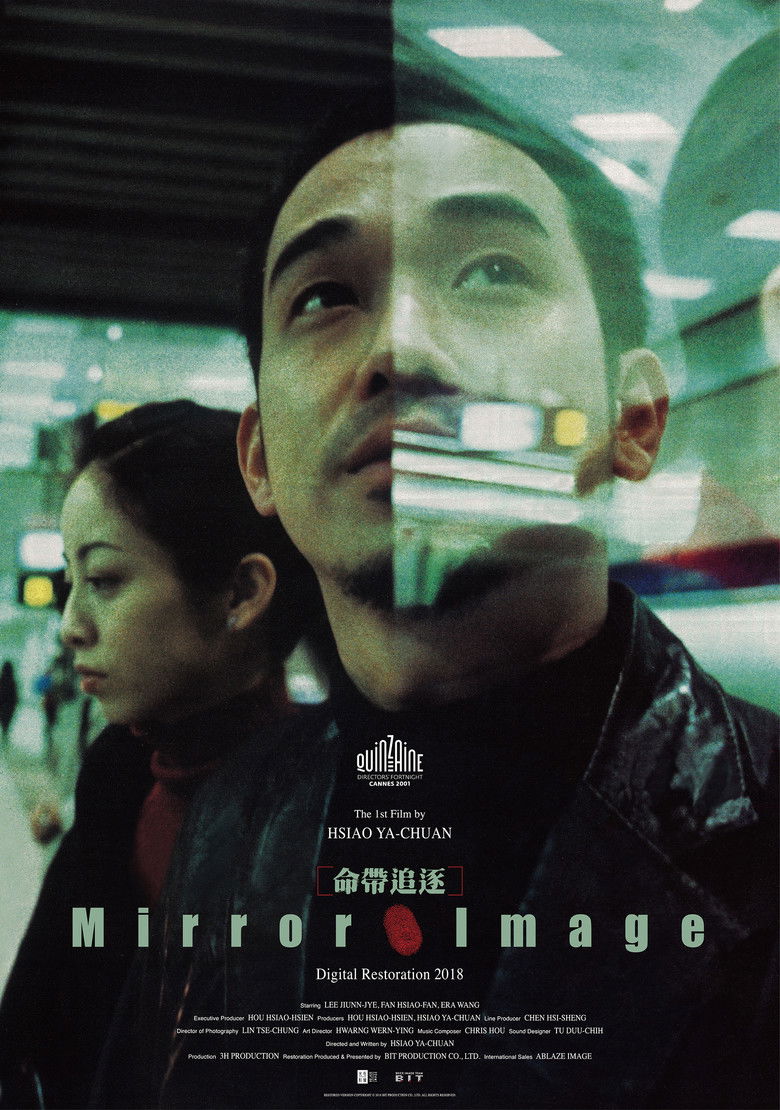
2001
Director
Hsiao Ya-chuan
Runtime
75 minutes
Average Rating
No ratings yetSynopsis
Tung-Ching’s life has changed since a car accident three months ago. The lifeline on his right hand was scratched off in this incident. A nurse told him that his life is no longer controlled by fate but has become unpredictable since then. Three months later, Tung-Ching’s father has suffered a stroke so he has to take over the family pawnshop. His girlfriend, Eiko, who is interested in palm reading, wants to retrieve Tung-Ching’s lifeline. However, Tung-Ching is apathetic to know what the future holds. He starts to flirt with one of his female customers who he names her “ Know-all”.
Overall Score
Fair
Category Breakdown
LGBTQ+ Representation
The story centers on a heterosexual romantic dynamic between Tung-Ching and Eiko. There is no evidence of non-cisnormative identities or LGBTQ+ themes within the narrative.
Gender Representation
The film explores gendered roles through Tung-Ching's transition into a provider role. Female characters like Eiko and 'Know-all' act as catalysts that disrupt traditional male-led household hierarchies.
Racial & Ethnic Diversity
As a piece of Taiwanese cinema, the film offers a non-Western perspective. It centers on local cultural practices like palm reading and pawnshop management, avoiding Western-centric homogeneity.
Religious & Cultural Diversity
The narrative critiques fatalistic determinism by focusing on a protagonist who rejects traditional spiritual practices. It explores existentialist agency over rigid religious or predestined duty.
Disability Representation
Physical trauma, including a car accident and a stroke, drives the plot. These medical realities serve as transformative elements of identity and catalysts for shifting family power dynamics.
Strengths
Areas for Improvement
AI Analysis
Mirror Image offers a nuanced look at individual agency versus traditional social structures. It succeeds by using cultural specifics, like Taiwanese palm reading and family business dynamics, to ground its existential themes. The film moves away from rigid moral storytelling by focusing on the unpredictability of life. It treats physical trauma and medical conditions as meaningful drivers of character evolution rather than simple plot devices. However, the film remains largely within conventional frameworks. It lacks explicit LGBTQ+ representation and focuses heavily on heteronormative romantic dynamics and traditional gendered responsibilities.
2024
2010

2012

2015

2009

2017

2000

2009
2022

2018

2014

2009
No reviews yet. Be the first to share your thoughts on this movie!
Use the rating form above to leave a star rating and optional review.