
Dos locos en el aire
1976
No user ratings available yet
Representation score: 1.9 out of 10

Representation Score
Limited
1967
Director
Luis César Amadori
Runtime
100 minutes
Average Rating
No ratings yetNew Showbiz Analysis
Amor en el aire is a quintessential product of its era, leaning heavily into the romantic comedy and musical clichés of the 1960s. The narrative structure prioritizes standard interpersonal dynamics and escapism over any meaningful exploration of systemic or multi-layered issues. The film reinforces traditional hierarchies, particularly regarding gender and social expectations. The female protagonist's journey is largely reactive to the male lead's actions, and the plot relies on conventional familial oversight to drive its resolution. While the international setting provides some cross-cultural movement, the film remains within a narrow demographic scope. It lacks the intentionality required to disrupt the social norms of the time, opting instead for a safe, commercial framework.
Category Breakdown
The film follows a typical romantic storyline focused on a male and female couple. There are no characters with non-straight or non-cisgender identities, nor are there any narratives that question the assumption that everyone is straight or cisgender.
The female lead loses professional control due to the male protagonist's actions. Despite showing resilience through personal reinvention, the narrative reflects traditional 1960s gender roles and male-dominated causality.
The story involves cross-cultural movement between Argentina and Spain. However, the casting seems to center around a homogeneous group of Mediterranean and Hispanic identities.
The plot highlights traditional social structures and family oversight. It serves as a light-hearted, escapist comedy that operates within established social hierarchies and conventional moral arcs.
There are no visible or invisible disabilities shown. No characters with disabilities are used as plot devices within the narrative.
Present on Screen
Limited or Absent
Official Synopsis
An Argentine travels to Spain to begin his studies. During the flight, he causes so much troubles to a flight attendant that she is fired. At home, the ex flight attendant discovers some dresses that belonged to her grandmother and decides to try her luck with an artist representative. There she will find the guy who caused his dismissal. Both fail to act in Barcelona, but the boy's father attended the performance, being surprised, because he believed his son was studying in Madrid.
1976

1992
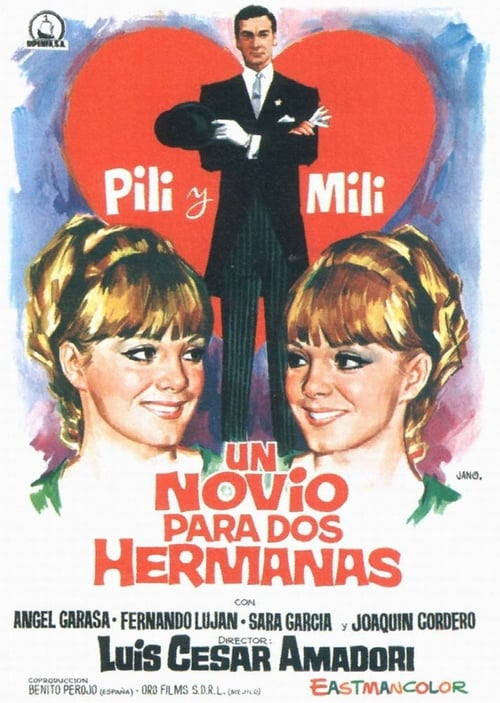
1967

2014

1985
1955
1983
1960
No reviews yet. Be the first to share your thoughts on this movie!
Use the rating form above to leave a star rating and optional review.