
Pests for Guests
1955
No user ratings available yet
Representation score: 0.5 out of 10
Representation Score
Minimal
1960
NRDirector
Friz Freleng
Runtime
7 minutes
Average Rating
No ratings yetNew Showbiz Analysis
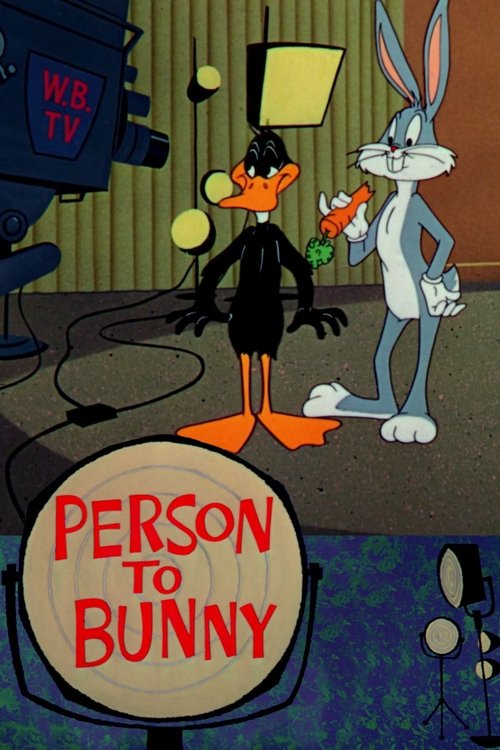
Person to Bunny is a period-specific comedic sketch that prioritizes slapstick humor over social complexity. The narrative structure relies on established character types rather than diverse perspectives or systemic critiques. The film celebrates mid-century entertainment norms, particularly through its parody of the 'People to People' television format. It reinforces the status quo of the early 1960s without challenging traditional hierarchies. Overall, the short lacks diversity across nearly all categories, reflecting the demographic and casting conventions of its era.
Category Breakdown
The film does not depict any queer identities or non-traditional gender narratives. Character interactions revolve around traditional comedic rivalries.
The story centers on male-coded characters like Bugs, Daffy, and Elmer, lacking the complexity or strong roles needed to challenge traditional gender norms.
The cast is uniform, reflecting 1960s animation standards. There is no racial diversity or representation of non-Anglo-Saxon characters.
The film upholds mid-century Western social norms through its parody of mainstream media. Traditional institutions are portrayed as stable and unchallenged.
There are no characters with visible or invisible disabilities. Neurodivergent traits or physical impairments are not used as narrative devices.
Present on Screen
Limited or Absent
Official Synopsis
In his Hollywood home Bugs is being interviewed by the Edward R. Murrow TV show "People to People" when Daffy and Elmer show up.
1955

1950
1952
1956
1962
1963

1951
1965
No reviews yet. Be the first to share your thoughts on this movie!
Use the rating form above to leave a star rating and optional review.