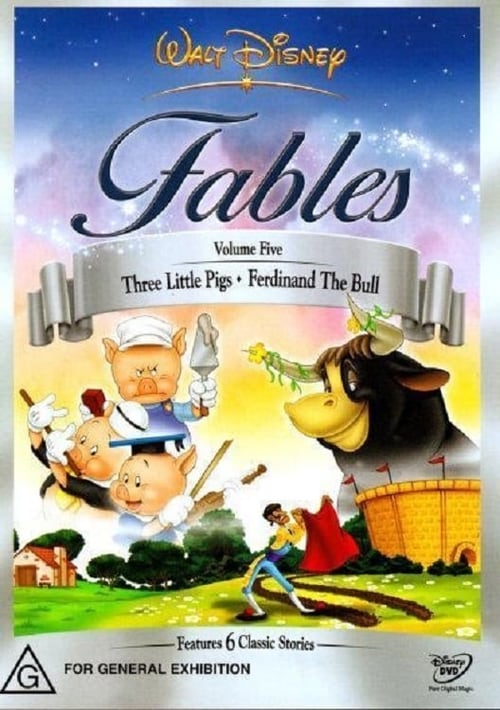
Walt Disney's Fables - Vol.5
2004
No user ratings available yet
Representation score: 3.0 out of 10
Representation Score
Limited
2004
GRuntime
0 minutes
Average Rating
No ratings yetNew Showbiz Analysis
This collection functions as a historical archive of mid-20th-century animation. The stories are built upon established clichés that prioritize traditional hierarchies and conventional moral clarity. The content reflects the social frameworks of the 1940s. While these shorts are significant animation artifacts, they do not engage with the deconstruction of social norms or the promotion of diverse identities. Ultimately, the anthology remains firmly rooted in the cultural paradigms of its original production dates, offering little in the way of modern representation.
Category Breakdown
The shorts focus on animal-centric fables and traditional folklore. There are no depictions of LGBTQ+ identities or narratives challenging heterosexuality.
The main characters are a male-centric trio in Mickey and the Beanstalk, reinforcing traditional masculine roles as the primary drivers of action.
The character set is homogeneous, typical of 1940s animation. The use of anthropomorphic animals avoids direct racial depiction but lacks intentional diversity.
The narratives lean heavily into Western folklore and conventional morality. The stories celebrate traditional heroism and the restoration of order within a whimsical world.
Neurodivergence and physical disabilities are not central themes. Goofy’s eccentricities are framed through slapstick comedy rather than nuanced depictions of disability.
Present on Screen
Limited or Absent
Official Synopsis
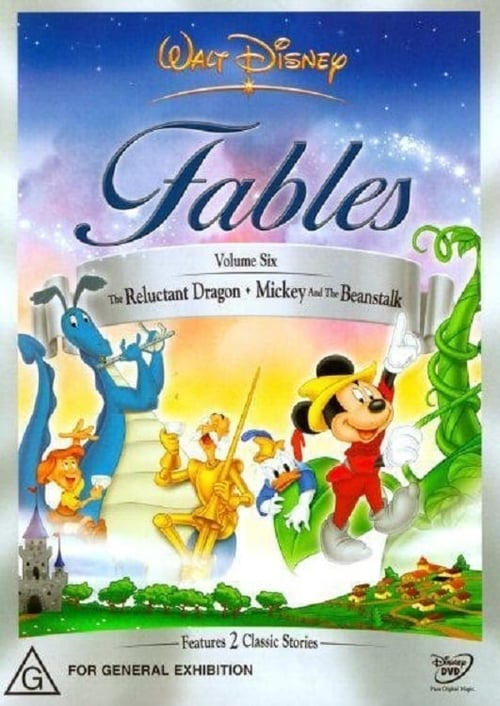
Two classic animated shorts from the Disney studios. In 'The Reluctant Dragon' (1941), a young boy and a famous dragon fighter team up to teach a docile dragon the art of being a force to be reckoned with. In 'Mickey and the Beanstalk' (1947), Mickey Mouse, Goofy and Donald Duck confront the fearsome Willie the Giant to try to retrieve the magical singing harp to Happy Valley.
2004
1947
2005
1981
2003
1999
2012

1977
No reviews yet. Be the first to share your thoughts on this movie!
Use the rating form above to leave a star rating and optional review.