Where in the World Is Osama Bin Laden?
2008
No user ratings available yet
Diversity score: 5.7 out of 10
2006
Director
Rick Ray
Runtime
85 minutes
Average Rating
No ratings yetSynopsis
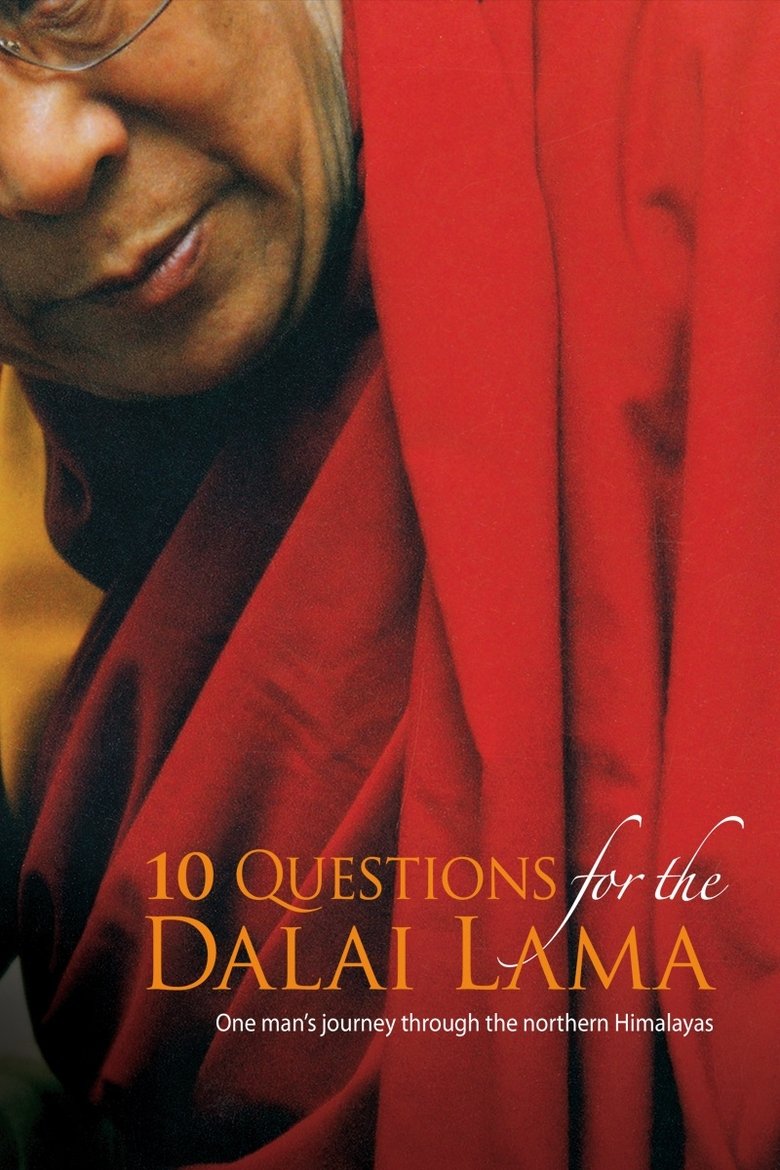
How do you reconcile a commitment to non-violence when faced with violence? Why do the poor often seem happier than the rich? Must a society lose its traditions in order to move into the future? These are some of the questions posed to His Holiness the Dalai Lama by filmmaker and explorer Rick Ray. Ray examines some of the fundamental questions of our time by weaving together observations from his own journeys throughout India and the Middle East, and the wisdom of an extraordinary spiritual leader. This is his story, as told and filmed by Rick Ray during a private visit to his monastery in Dharamsala, India over the course of several months. Also included is rare historical footage as well as footage supplied by individuals who at great personal risk, filmed with hidden cameras within Tibet.
Overall Score
Good
Category Breakdown
LGBTQ+ Representation
The documentary focuses on spiritual and geopolitical inquiries. There is no discernible evidence of LGBTQ+ characters or narratives within the film's thematic structure.
Gender Representation
The narrative centers on the Dalai Lama and male-dominated monastic structures. It lacks a significant presence of female agency or the subversion of traditional gender roles.
Racial & Ethnic Diversity
The film excels by centering a non-Western perspective through the Tibetan diaspora. It utilizes rare, high-risk footage to provide a platform for voices often marginalized in mainstream media.
Religious & Cultural Diversity
The film engages deeply with themes of moral relativism and critiques Western materialism. It explores the friction between indigenous traditions and the pressures of globalized modernity.
Disability Representation
There is no specific evidence regarding the portrayal of physical or neurodivergent disabilities within the film's provided thematic overview.
Strengths
Areas for Improvement
AI Analysis
The documentary serves as a significant piece of intercultural media that challenges conventional Western-centric storytelling. It successfully elevates a non-Western spiritual and political perspective by prioritizing the wisdom and agency of the Tibetan community. Its primary strength lies in its ability to deconstruct Western materialist norms and focus on the lived realities of a displaced population. This provides a sophisticated look at how traditional identities navigate modern geopolitical systems. However, the film lacks explicit representation regarding LGBTQ+ identities and gender subversion. The narrative is inherently tied to established religious leadership, which limits the scope of gender diversity.
2008
1986
2008
2012
2024
2011

2010
2017

2021
1985

2014

2007
No reviews yet. Be the first to share your thoughts on this movie!
Use the rating form above to leave a star rating and optional review.