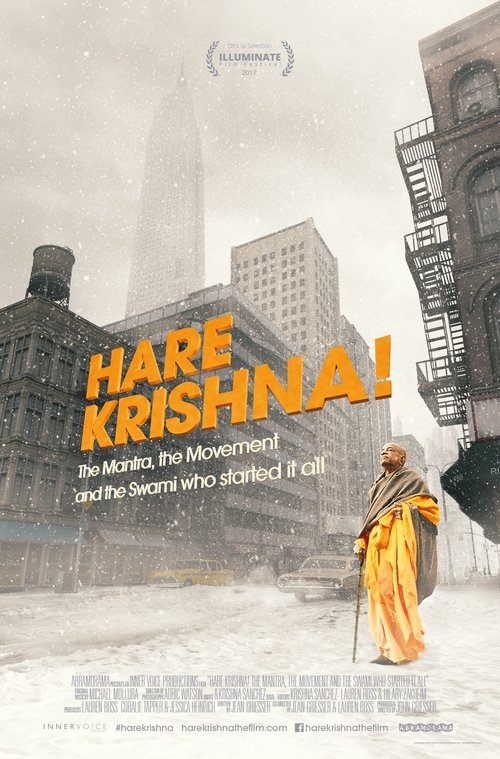
Hare Krishna! The Mantra, the Movement and the Swami Who Started It All
2017
No user ratings available yet
Representation score: 3.7 out of 10

Representation Score
Fair
2014
PGDirector
Paola di Florio, Lisa Leeman
Runtime
87 minutes
Average Rating
No ratings yetNew Showbiz Analysis
The film stands out as a powerful example of cross-cultural storytelling. It successfully disrupts traditional Western-centric biographical clichés by centering an Eastern spiritual tradition. While it excels in depicting racial and ethnic ability to act, it does not engage with LGBTQ+ or disability narratives. The film respects the post-colonial cultural exchange, balancing the central male figure's journey with a broader perspective on global spiritual integration.
Category Breakdown
There are no LGBTQ+ characters or narratives in the film. The focus is solely on the spiritual journey of Paramahansa Yogananda.
The film centers on Yogananda's personal journey, giving him a prominent role. Female disciples also play a part, showing their involvement in the spiritual process.
The documentary highlights cross-cultural exchange by focusing on an Indian mystic. It challenges Eurocentric biographies by emphasizing the influence of a non-Western figure.
Eastern spirituality is presented as a sophisticated addition to Western life. The film showcases a blend of cultures that questions Western cultural dominance.
The film does not feature any characters with disabilities. Disability is not used as a plot device.
Present on Screen
Limited or Absent
Official Synopsis
An unconventional biography by Oscar nominee Paola di Florio and Sundance winner Lisa Leeman about Hindu mystic Paramahansa Yogananda who brought yoga and meditation to the West in 1920 and authored the spiritual classic "Autobiography of a Yogi," which became the go-to book for seekers from George Harrison to Steve Jobs.
2017
2016
2017
2014
2019
2019
2010

2011
No reviews yet. Be the first to share your thoughts on this movie!
Use the rating form above to leave a star rating and optional review.