Where in the World Is Osama Bin Laden?
2008
No user ratings available yet
Diversity score: 5.7 out of 10
2012
Runtime
74 minutes
Average Rating
No ratings yetSynopsis
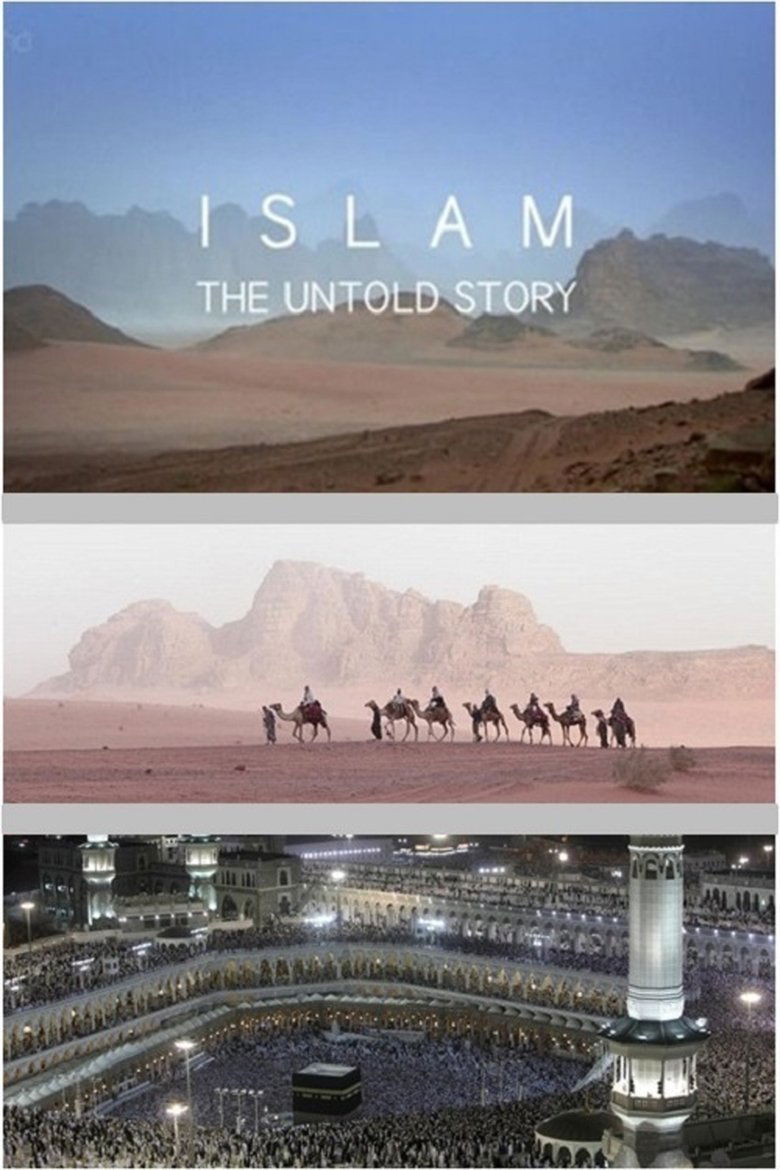
A historian, Tom Holland, looks at the origins of Islam and questions it's history and authenticity.
Overall Score
Fair
Category Breakdown
LGBTQ+ Representation
The documentary focuses on historical religious and political developments. It contains no LGBTQ+ characters or narratives addressing queer theory.
Gender Representation
The film touches upon women's roles within early Islamic structures. However, it lacks agency-driven narratives and functions more as a historical survey.
Racial & Ethnic Diversity
The film centers Middle Eastern and non-Anglo-Saxon contexts. It utilizes a diverse array of scholars to challenge the homogeneity of Western historical media.
Religious & Cultural Diversity
The narrative critiques Western institutional biases and post-colonialist power structures. It emphasizes a sophisticated deconstruction of traditional Western historiography.
Disability Representation
There is no discernible focus on visible or invisible disabilities. The film does not address neurodivergence or the lived experiences of disabled individuals.
Strengths
Areas for Improvement
AI Analysis
Islam: The Untold Story acts as a historiographical intervention that challenges Eurocentric academic hierarchies. It succeeds by prioritizing non-Western historical figures and multi-vocal scholarly perspectives, effectively disrupting the 'Western observer' trope. The film's strength lies in its cultural and racial deconstruction. By framing Western history as potentially biased, it aligns with post-colonialist critiques and empowers marginalized historical perspectives. However, the documentary's diversity is limited by its narrow historical scope. The absence of LGBTQ+ and disability representation significantly lowers the overall score, despite the film's intellectual depth regarding cultural identity.
2008
2017
2005
2021
2001

2018
2002
1988
2023
2002
2014
2017
No reviews yet. Be the first to share your thoughts on this movie!
Use the rating form above to leave a star rating and optional review.