
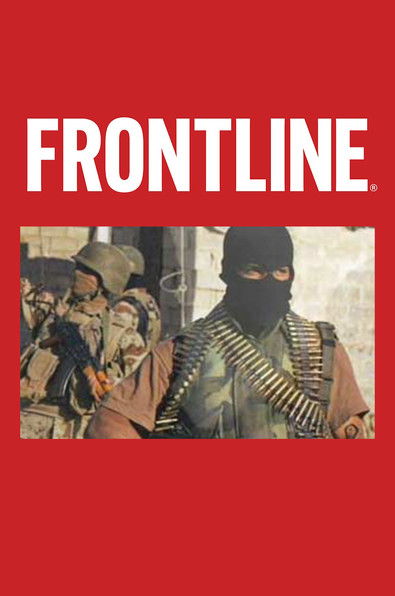
Where in the World Is Osama Bin Laden?
2008
No user ratings available yet
Diversity score: 5.7 out of 10
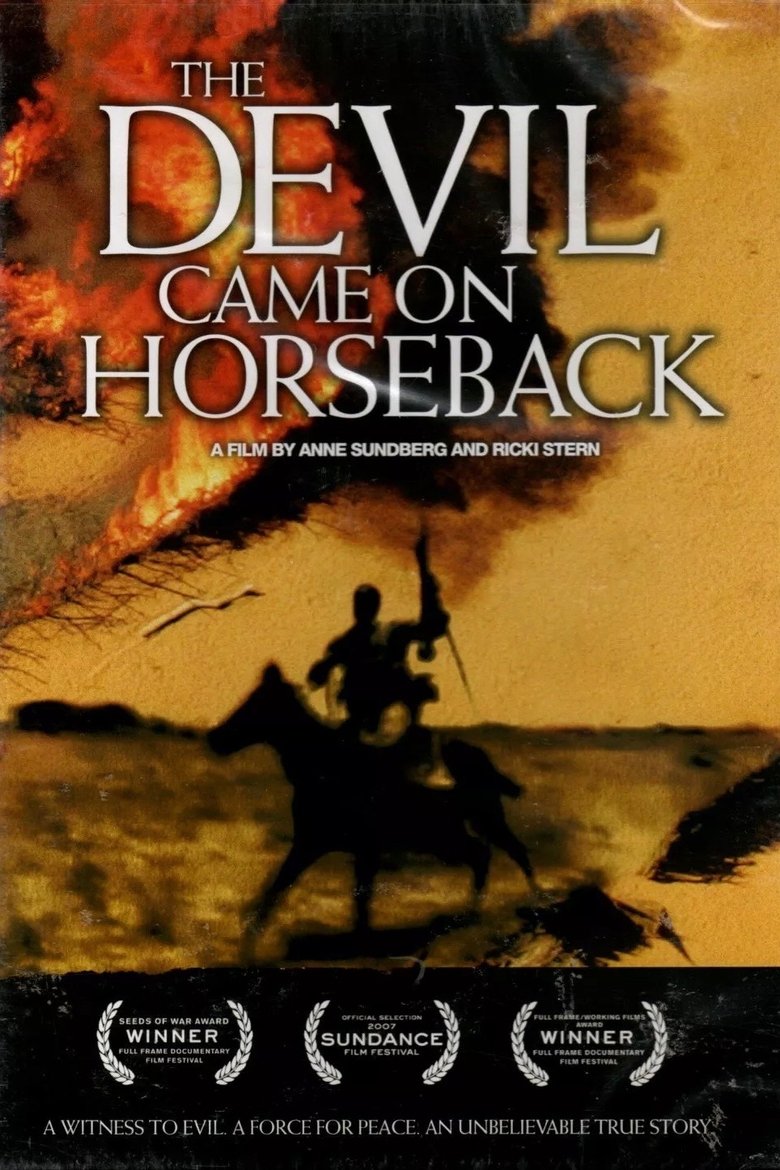
2007
Director
Ricki Stern, Anne Sundberg
Runtime
85 minutes
Average Rating
No ratings yetSynopsis
While serving with the African Union, former Marine Capt. Brian Steidle documents the brutal ethnic cleansing occuring in Darfur. Determined that the Western public should know about the atrocities he is witnessing, Steidle contacts New York Times reporter Nicholas Kristof, who publishes some of Steidle's photographic evidence.
Overall Score
Fair
Category Breakdown
LGBTQ+ Representation
The documentary contains no LGBTQ+ characters or narratives. There is no engagement with queer identities or non-cisnormative gender expressions within this study of the Darfur genocide.
Gender Representation
The narrative centers on masculine-coded military environments and patriarchal structures of conflict. It offers limited subversion of traditional gender roles by focusing on male-dominated spheres of combat.
Racial & Ethnic Diversity
The film excels by centering the experiences of marginalized ethnic groups facing systemic erasure. It uses photographic evidence to disrupt the Western-centric gaze and highlight racialized violence.
Religious & Cultural Diversity
The work critiques the failure of Western institutional efficacy and international political structures. It prioritizes the lived reality of the oppressed over the geopolitical interests of dominant states.
Disability Representation
There is no significant evidence regarding the portrayal of physical or neurodivergent disabilities in this documentary.
Strengths
Areas for Improvement
AI Analysis
The film serves as a specialized investigative tool that prioritizes the exposure of systemic human rights violations. Its primary value lies in deconstructing geopolitical indifference and documenting the atrocities of ethnic cleansing in Darfur. While the documentary achieves high narrative importance through its critique of racial violence, it lacks intersectional breadth. It does not engage with LGBTQ+ identities or provide significant gender subversion, as the subject matter is rooted in military and political spheres. Ultimately, the film succeeds as a critique of global power dynamics. It uses visual evidence to challenge the perceived stability of Western humanitarian institutions and the failure to protect non-Western populations.
2008
2009
2020
2015
2015
2009
2016
2004

1996
2007

2013

2011
No reviews yet. Be the first to share your thoughts on this movie!
Use the rating form above to leave a star rating and optional review.