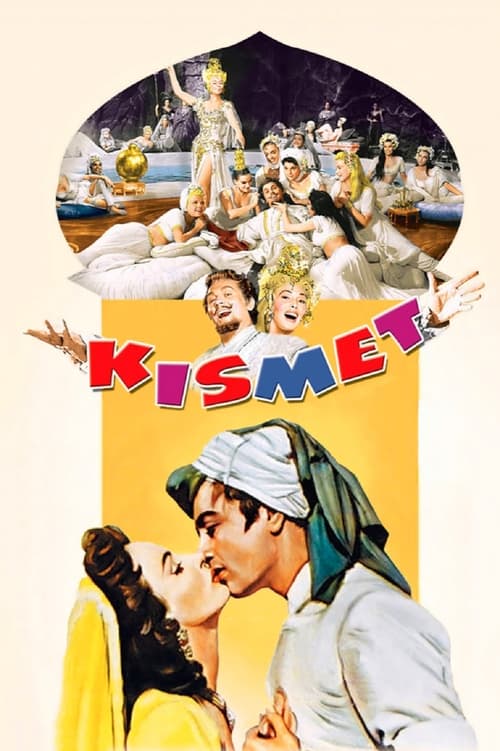
Kismet
1955
No user ratings available yet
Representation score: 0.4 out of 10

Representation Score
Limited
1947
NRDirector
Walter Reisch
Runtime
105 minutes
Average Rating
No ratings yetNew Showbiz Analysis
Song of Scheherazade is a traditional 1940s musical adventure that relies heavily on established cinematic clichés. While the Moroccan setting and diverse cast offer a veneer of multiculturalism, the narrative remains firmly rooted in Eurocentric perspectives and conventional romantic structures. The film provides minor moments of gendered tension through Cara's secret life, yet the central ability to act belongs to the male characters. Ultimately, the film celebrates romanticized adventure without questioning the social hierarchies of its era.
Category Breakdown
The film does not include explicit LGBTQ+ characters or non-straight relationships. The plot focuses on traditional romantic complications involving the main characters.
Cara secretly dances in a cabaret, offering a minor subversion of traditional social norms. However, male characters drive the plot, and her actions remain linked to romantic interests.
The film's Moroccan setting includes Spanish colonists and Russian cadets, providing ethnic variety. However, the narrative seems to view these diverse groups through a Eurocentric perspective.
The story follows mid-century Western traditions, emphasizing romanticized adventure and musical pursuits. It reinforces established social and colonial hierarchies without challenging them.
There are no visible or invisible disabilities depicted within the primary character arcs.
Present on Screen
Limited or Absent
Official Synopsis
In 1865, the cadets of a Russian Naval Academy ship have shore leave in Morocco; among them is (fictionalized) future composer 'Nicky' Rimsky-Korsakov. In search of a piano, Nicky and singing ship's doctor Klin meet a family of once-wealthy Spanish colonists...and their daughter Cara who secretly dances in a cabaret. Romantic complications ensue, but Nicky seems less interested in Cara's favors than in inspirations for his future masterpieces.
1955
1955
1934
1948
1955
1937

1945

1954
No reviews yet. Be the first to share your thoughts on this movie!
Use the rating form above to leave a star rating and optional review.