Inquisition
1977
No user ratings available yet
Representation score: 4.7 out of 10
Representation Score
Limited
1970
Director
Torgny Wickman
Runtime
99 minutes
Average Rating
No ratings yetNew Showbiz Analysis
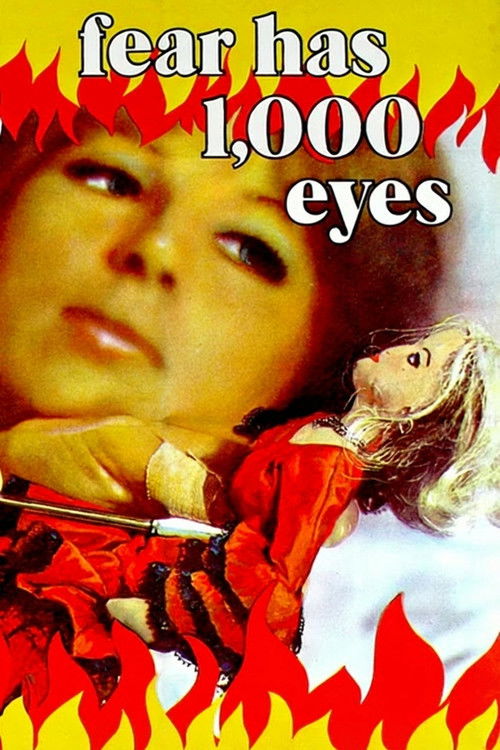
Fear Has 1000 Eyes is a classic 1970s European horror film that upholds the established social and religious norms of its time. The narrative relies on conventional gothic clichés, focusing on a traditional religious household and supernatural interference. The film lacks depth in representing diverse identities or critiquing societal structures. Instead, it reinforces the cultural norms of its era through its character types and moral framework. Ultimately, the film serves as a traditional morality tale without challenging or deconstructing cultural norms.
Category Breakdown
The film does not include any characters with non-traditional gender identities. The story centers around a priest and his wife.
A female character experiences a nervous breakdown, which may make her seem passive. However, a witch character has supernatural abilities, but domestic roles remain traditional.
The cast and setting suggest a homogeneous society. There is no indication of diverse racial or ethnic backgrounds in the story.
The story follows traditional Christian morals, emphasizing religious authority through themes of pacts with the devil and supernatural wrongdoing.
A character's nervous breakdown addresses mental health issues. It is unclear if this theme empowers the character or simply fits a typical horror plot.
Present on Screen
Limited or Absent
Official Synopsis
Sven, a vicar, and his pregnant wife, Anna, live in the vicarage of a small village in Northern Sweden. Anna's friend Hedvig comes to visit, and soon after, mysterious hauntings and deaths begin to occur.
1977
1961
1978

1972
1974
1978
1972

1982
No reviews yet. Be the first to share your thoughts on this movie!
Use the rating form above to leave a star rating and optional review.