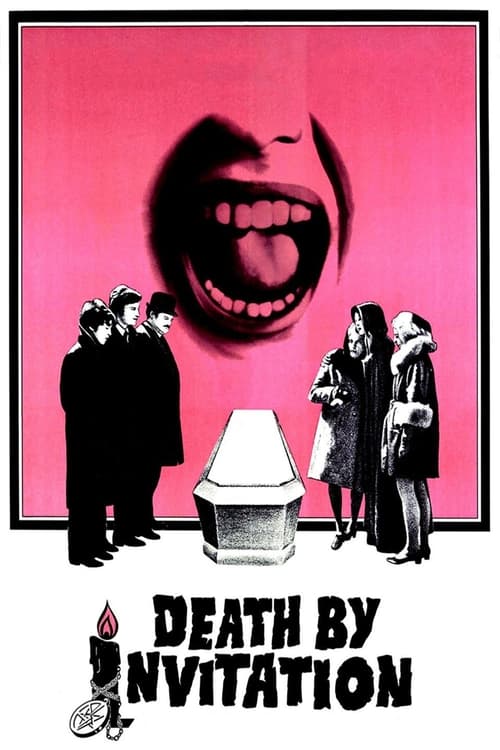
Death by Invitation
1971
No user ratings available yet
Representation score: 2.1 out of 10
Representation Score
Minimal
1972
RDirector
Hollingsworth Morse
Runtime
90 minutes
Average Rating
No ratings yetNew Showbiz Analysis
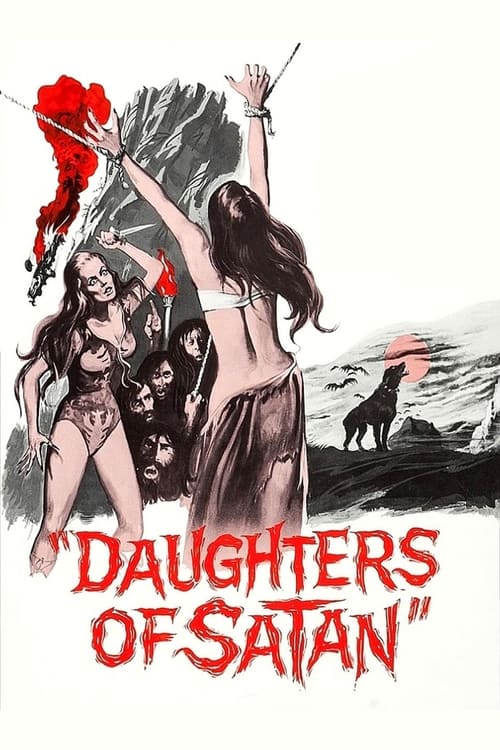
Daughters of Satan follows the traditional genre conventions of early 1970s horror. It relies on well-known supernatural dread and established archetypes rather than intentional social critique or diverse storytelling. The narrative centers around a male protagonist’s experience with a mysterious painting, offering little space for diverse perspectives or social subversion. Ultimately, the film functions as a typical product of its time without challenging social norms.
Category Breakdown
The film centers on a supernatural painting and the tensions it causes in a marriage. It does not include characters with non-binary gender identities or challenge the idea that everyone is straight or cisgender.
Women in the film are portrayed through psychological or supernatural instability. They are often presented as objects of mystery rather than having proactive roles in the story.
The film seems to follow the homogeneous casting standards typical of 1970s Western horror movies. There is no indication of a diverse cast or efforts to integrate different races.
The story uses classic Western gothic themes such as witchcraft and burning at the stake. It focuses on individual psychological horror rather than critiquing religious or social institutions.
There are no characters with visible or invisible disabilities in the film.
Present on Screen
Limited or Absent
Official Synopsis
A man buys a painting depicting witches being burned at the stake, one of whom bears an uncanny resemblance to his wife.
1971
1960
1971
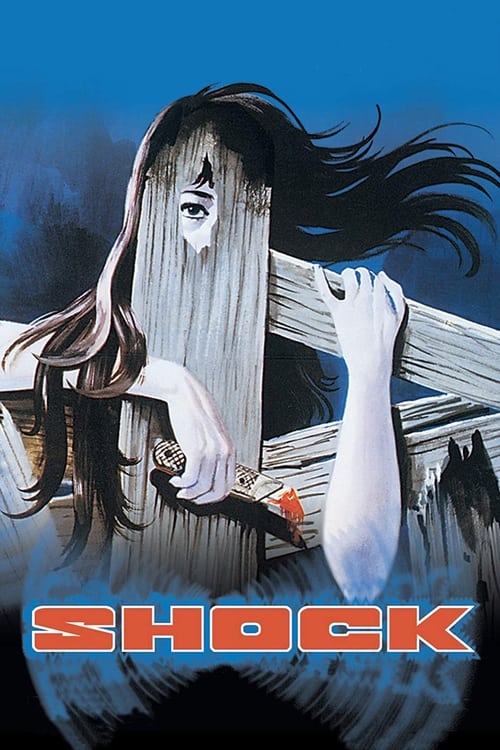
1977
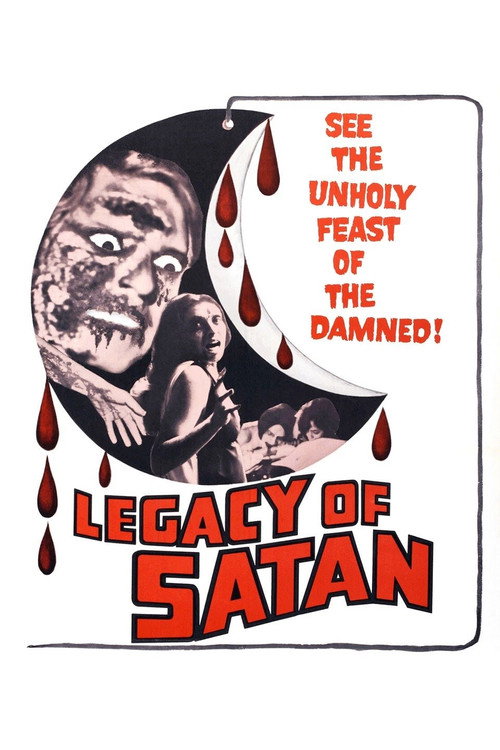
1974
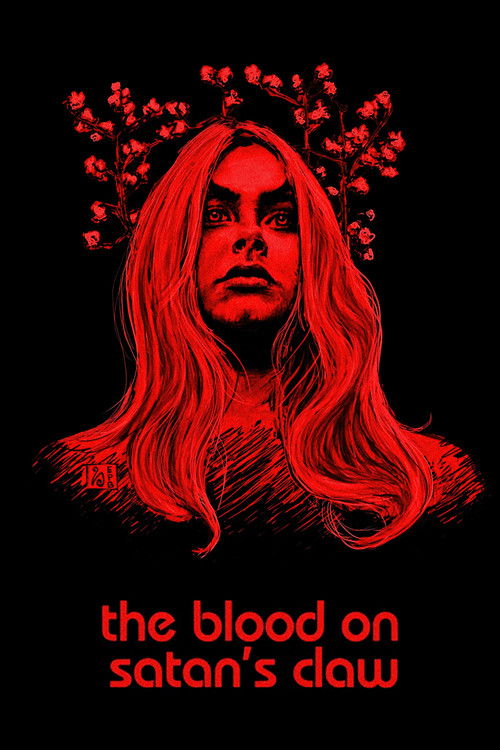
1971
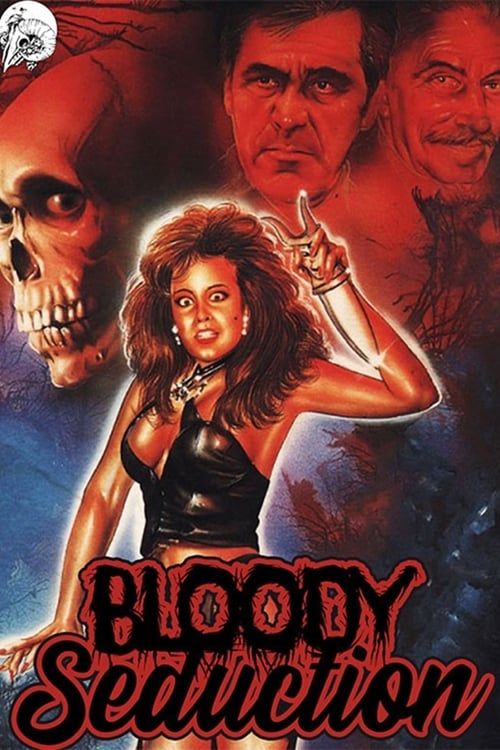
1992
1974
No reviews yet. Be the first to share your thoughts on this movie!
Use the rating form above to leave a star rating and optional review.