
Henry: Portrait of a Serial Killer, Part 2
1996
No user ratings available yet
Representation score: 5.1 out of 10
Representation Score
Good
1986
Director
Francisco Cavalcanti, José Mojica Marins
Runtime
78 minutes
Average Rating
No ratings yetNew Showbiz Analysis
Hour of Fear provides a critical look at the breakdown of traditional social and moral structures. By focusing on a sadistic protagonist and an enabling mother, the film dismantles the notion of a stable, nurturing family unit. While the film lacks explicit LGBTQ+ or characters who reflect more than one aspect of diversity, its Brazilian setting and the director's background suggest a departure from mainstream, homogeneous Western horror. The narrative prioritizes psychological disruption over conventional moral structures. Ultimately, the film serves as a study of systemic dysfunction, using the horror genre to challenge institutional norms, even if its primary character dynamics remain rooted in traditional victimhood and psychological clichés.
Category Breakdown
The film does not explicitly depict LGBTQ+ identities. The story revolves around a heterosexual relationship between a woman and her fiancé.
The film challenges traditional views of mothers by showing a mother who enables her son's criminal activities. Despite this, women are portrayed as victims, and the family unit is shown as dysfunctional.
Set in São Paulo, the film moves away from focusing solely on Anglo-Saxon characters. The Brazilian setting highlights a diverse ethnic mix.
The story rejects traditional Christian morality and the sanctity of law. It portrays the home as a place where crimes occur rather than a safe haven.
The plot centers on the protagonist's psychological instability and insanity. This focus explores neurodivergence, though it may rely on established horror genre clichés.
Present on Screen
Limited or Absent
Official Synopsis
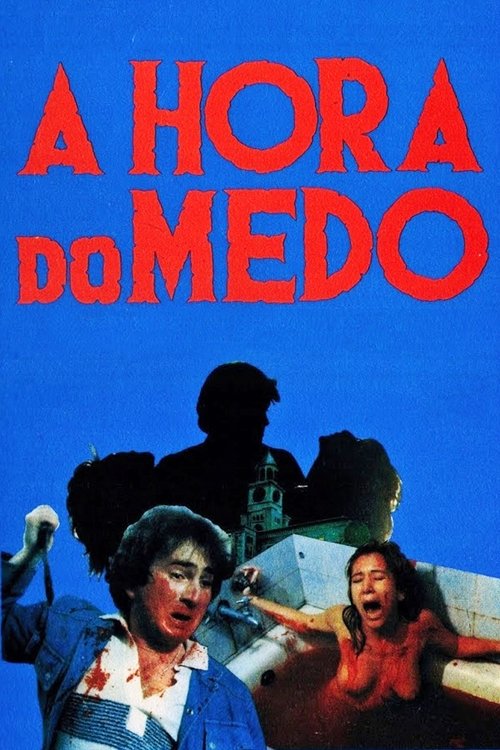
In São Paulo, Alberto is an insane and sadistic man that kills women, and lives with his mother that covers all his mess. When he kills his mother's employee Eliana, stabbing her in the bathtub, they bury her in the backyard of their house. Eliana's fiancé unsuccessfully seeks her out and when Alberto's mother advertises that she needs a driver, he applies for the job to sneak around the real estate trying to find Eliana.
1996
1974

1989
1987

1989

1982

1967

1986
No reviews yet. Be the first to share your thoughts on this movie!
Use the rating form above to leave a star rating and optional review.