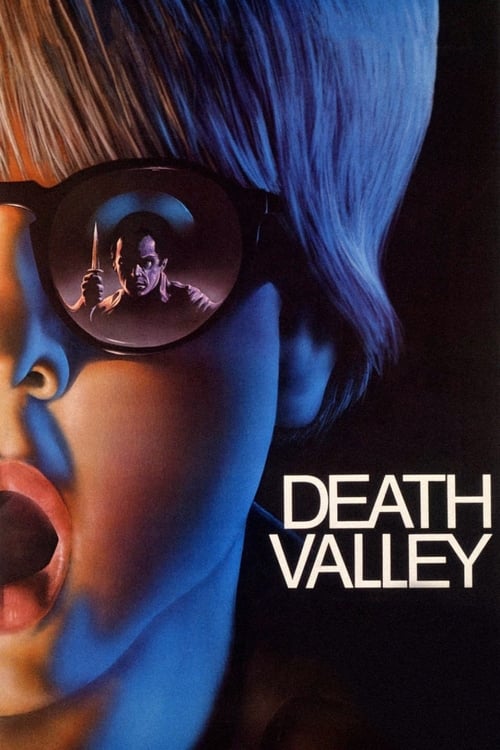
Death Valley
1982
No user ratings available yet
Representation score: 0.8 out of 10
Representation Score
Minimal
1989
RDirector
Umberto Lenzi
Runtime
95 minutes
Average Rating
No ratings yetNew Showbiz Analysis
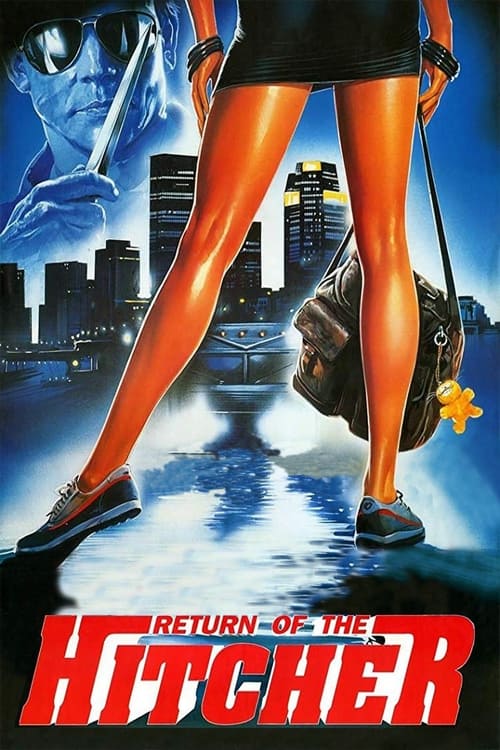
Hitcher in the Dark is a genre piece deeply rooted in the exploitation traditions of late 1980s Italian cinema. The narrative relies on established clichés that reinforce social hierarchies rather than challenging them. The film’s focus on predatory violence against women and the use of mental illness as a shorthand for villainy results in a lack of multi-layered complexity. It prioritizes visceral genre thrills over nuanced character development or social awareness. Ultimately, the work adheres to conservative cinematic traditions, offering little in the way of diverse perspectives or subversion of traditional power dynamics.
Category Breakdown
There are no LGBTQ+ characters or narratives in the film. It focuses on a framework that assumes everyone is straight and cisgender, with no meaningful representation of diverse gender identities.
Gender dynamics in the film are regressive, emphasizing the victimization of women. Female characters are portrayed as passive subjects without much control over their own lives.
The film likely uses Eurocentric casting typical of 1980s Italian cinema. There is no evidence of diverse racial or ethnic representation in the story.
The story does not engage with progressive cultural themes or systemic critiques. It operates within a traditional horror framework focused on individual criminality rather than complex social commentary.
The antagonist is described as a 'sick young man,' a cliché that often uses mental instability as a plot device for villainy. The film lacks nuanced portrayals of neurodivergence.
Present on Screen
Limited or Absent
Official Synopsis
A sick young man drives around in his daddy's camper, looking for lone stray females to kidnap, torture, rape and murder.
1982
1974
1967

1981
1996
1974
1986

1977
No reviews yet. Be the first to share your thoughts on this movie!
Use the rating form above to leave a star rating and optional review.