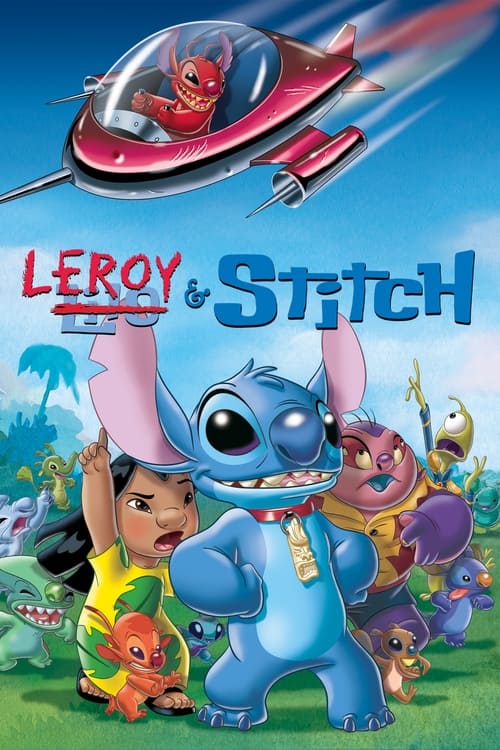
Leroy & Stitch
2006
No user ratings available yet
Representation score: 6.3 out of 10
Representation Score
Fair
2005
PGDirector
Tony Leondis, Michael LaBash
Runtime
68 minutes
Average Rating
No ratings yetNew Showbiz Analysis
By leaning into a culturally specific framework, the film avoids standard Western archetypes. It centers the Hawaiian concept of ʻohana, providing a meaningful departure from traditional storytelling templates. The narrative also offers a nuanced look at identity. It frames the central conflict as a struggle for ability to act against predetermined programming, challenging deterministic views of biological or systemic destiny. However, the film remains limited in its scope of representation. It lacks LGBTQ+ characters and does not engage in critiques of major Western institutions, focusing instead on internal and familial dynamics.
Category Breakdown
The film does not include LGBTQ+ characters or explore non-straight relationships. It focuses on platonic and familial bonds.
The story centers on women managing domestic life through the characters of Lilo and Nani. Nani plays a significant role in handling household responsibilities and emotional demands.
Set in Hawaii with a Native Hawaiian protagonist, the film highlights cultural specificity. It disrupts typical Hollywood domestic narratives by emphasizing the concept of ʻohana.
The narrative emphasizes community support and emotional intelligence over strict authority. It explores identity as a continuous choice rather than a fixed trait.
Stitch’s glitches symbolize neurodivergence and behavioral issues. The film portrays his struggle for self-regulation and identity rather than using his malfunctions for mere comedy.
Present on Screen
Limited or Absent
Official Synopsis
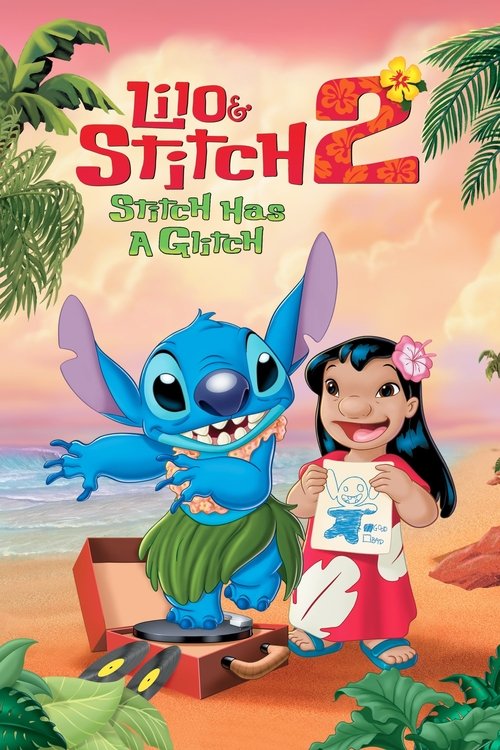
Now, we find the rowdy extraterrestrial getting used to life with his new ʻohana. However, a malfunction in the ultimate creation of Dr. Jumba soon emerges, which reinstates his destructive programming and threatens to both ruin his friendship with Lilo and to short him out for good!
2006
2000

2003
2007

2005
2005
2002
2019
No reviews yet. Be the first to share your thoughts on this movie!
Use the rating form above to leave a star rating and optional review.