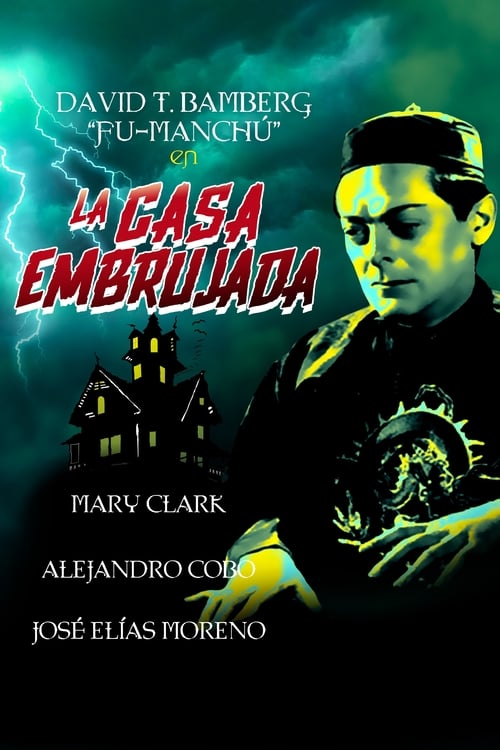
The Bewitched House
1949
No user ratings available yet
Representation score: 2.7 out of 10
Representation Score
Minimal
1944
NRDirector
Phil Rosen
Runtime
67 minutes
Average Rating
No ratings yetNew Showbiz Analysis
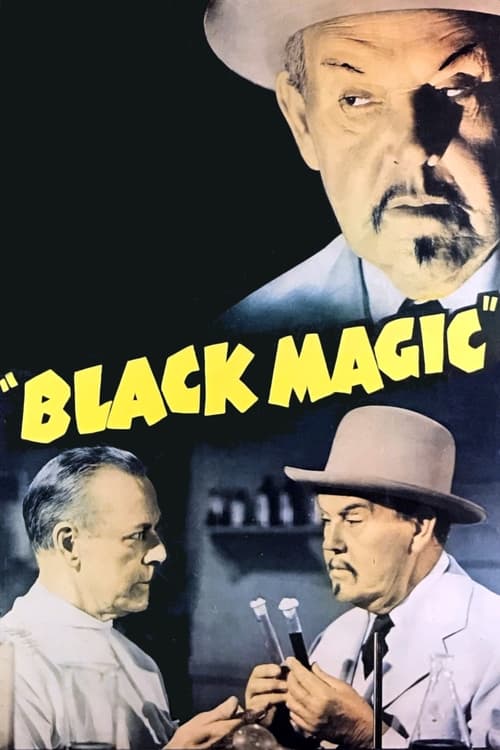
Black Magic is a typical mid-20th century mystery and horror film that emphasizes genre clichés over social critique. Its main contribution to diversity is the inclusion of a Chinese detective, which was unusual for the time. However, this inclusion is limited by the era's reliance on stereotypical portrayals. The film's portrayal of gender is rooted in traditional fears about female independence, using the 'dangerous woman' stereotype to advance the plot. Overall, the film serves as a conventional morality tale. It lacks the complexity needed to challenge broader social hierarchies or provide layered perspectives on diversity.
Category Breakdown
The film does not include any LGBTQ+ characters or non-straight identities. There are no queer themes or challenges to the assumption that everyone is straight.
Female characters are portrayed as dangerous or witch-like figures. The main female character plays a key role but her actions are driven by others' suspicions.
Charlie Chan is a non-white protagonist, which was uncommon for films made in 1944. However, his character follows the stereotypical roles of the time.
The story revolves around occult practices and superstitions. It upholds traditional social order through a classic mystery format.
There are no characters with visible or invisible disabilities. The story does not address neurodivergence or physical disabilities.
Present on Screen
Limited or Absent
Official Synopsis
Chinese detective Charlie Chan solves a murder linked to the occult.
1949
1991
1944
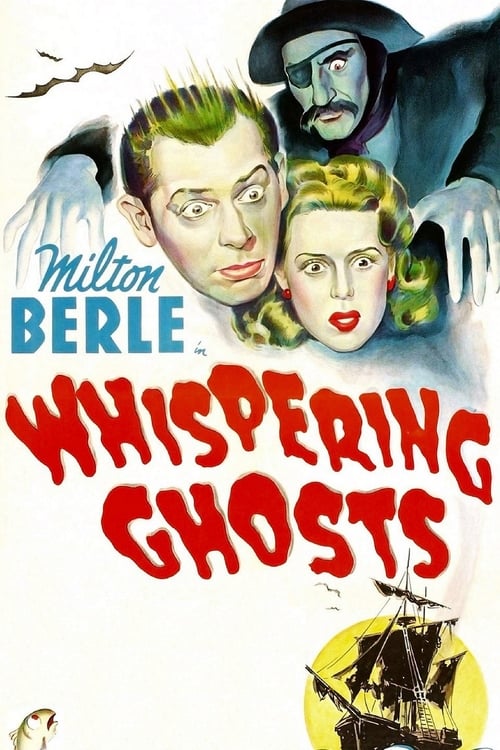
1942
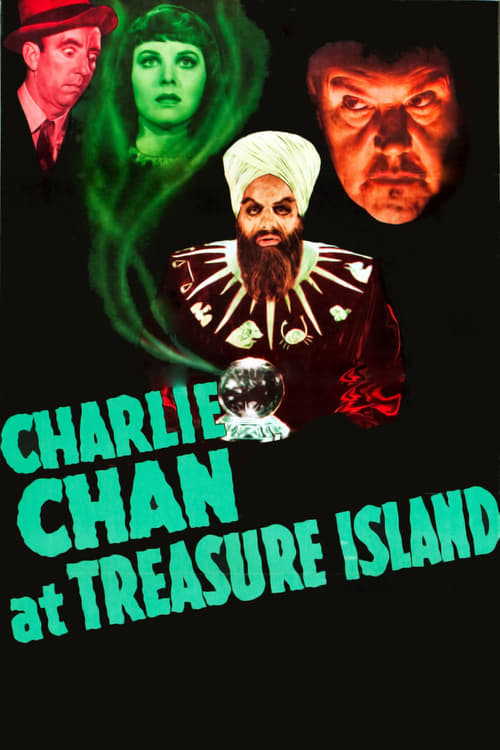
1939
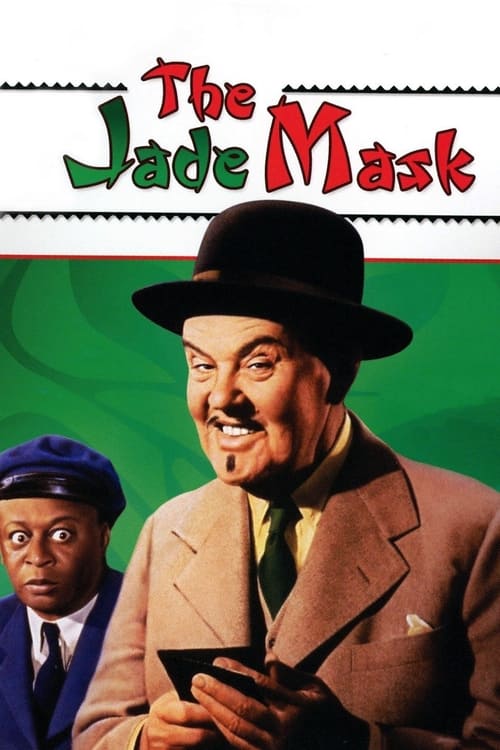
1945
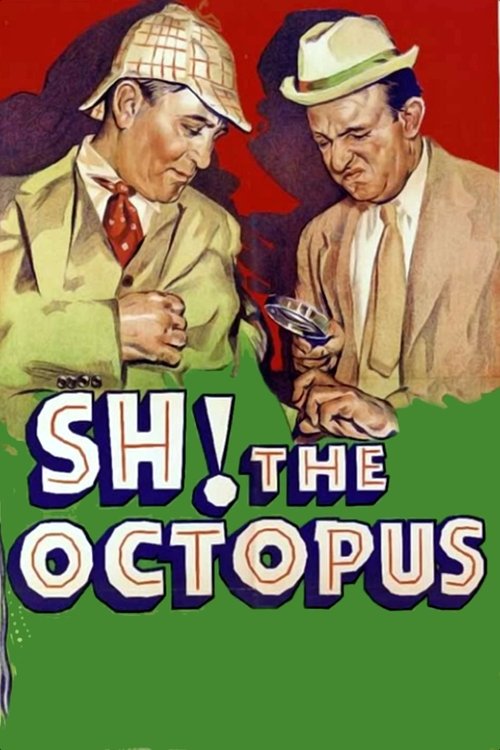
1937
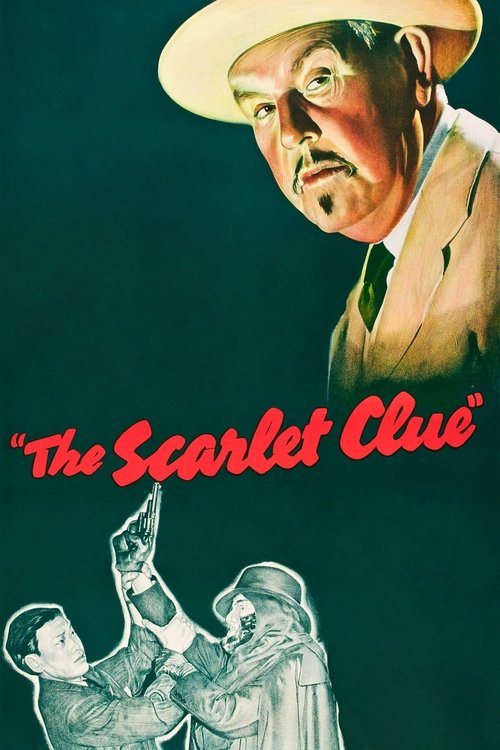
1945
No reviews yet. Be the first to share your thoughts on this movie!
Use the rating form above to leave a star rating and optional review.