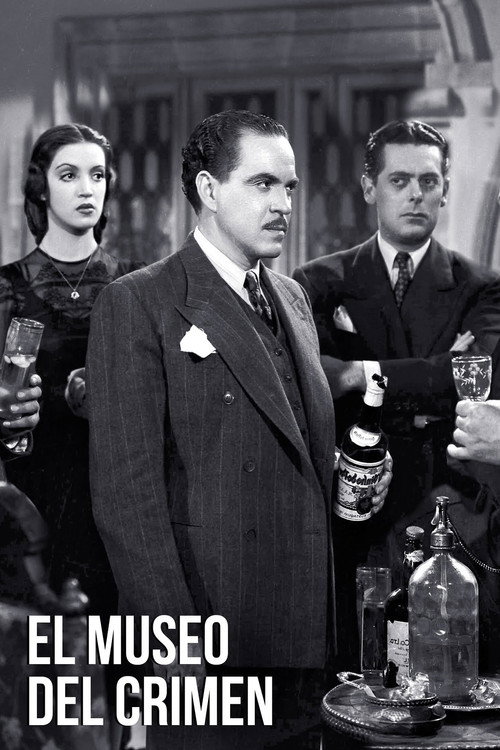
El museo del crimen
1945
No user ratings available yet
Representation score: 2.2 out of 10
Representation Score
Limited
1949
Director
Fernando A. Rivero
Runtime
59 minutes
Average Rating
No ratings yetNew Showbiz Analysis
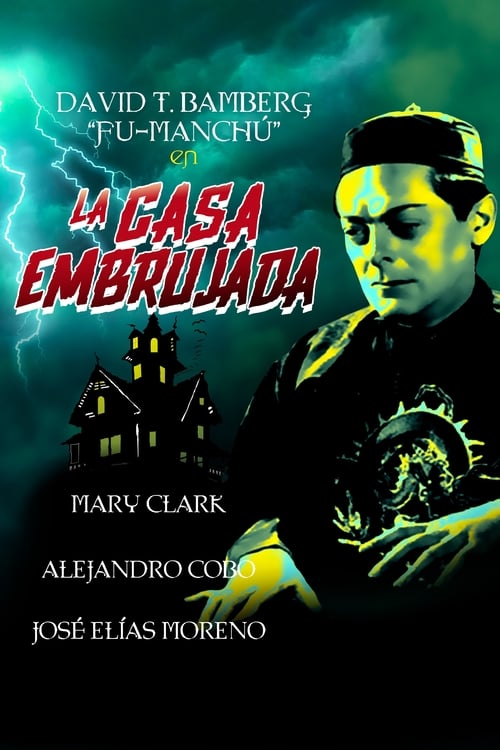
The Bewitched House is a typical mid-20th century genre film focusing on mystery and horror. Its narrative structure aligns with the cultural norms of the time, reinforcing traditional social hierarchies. While the protagonist's name hints at an East Asian identity, the film may rely on historical stereotypes. The story centers on a singular male hero, limiting diverse perspectives. The film adheres to conventional Western storytelling without addressing multi-layered issues.
Category Breakdown
The film does not explicitly include non-cisgender identities or same-sex relationships. The storyline follows a traditional mystery format, resulting in limited inclusion of LGBTQ+ characters.
The story focuses on a male protagonist who solves a crime using his intellect. This portrayal reinforces traditional masculine leadership. There is no indication of female empowerment or challenges to gender hierarchies.
The protagonist uses the name 'Fu Manchu,' which may evoke historical stereotypes or caricatures. The character's role in the story is centered around solving the mystery, without addressing deeper racial issues.
The film adheres to established Western storytelling conventions. It does not critique religious or cultural norms and focuses on individual heroism rather than systemic issues.
The film does not address characters with physical, sensory, or neurodevelopmental conditions. The narrative does not explore disability themes.
Present on Screen
Limited or Absent
Official Synopsis
Magician Fu Manchu must find a way out of a supposed haunted house.
1945
1946
1944
1939

1949
1944
1942
1946
No reviews yet. Be the first to share your thoughts on this movie!
Use the rating form above to leave a star rating and optional review.