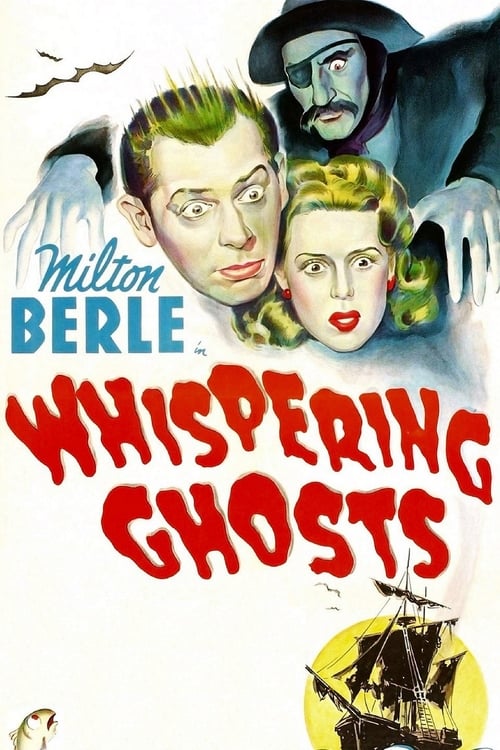
Whispering Ghosts
1942
No user ratings available yet
Representation score: 3.1 out of 10
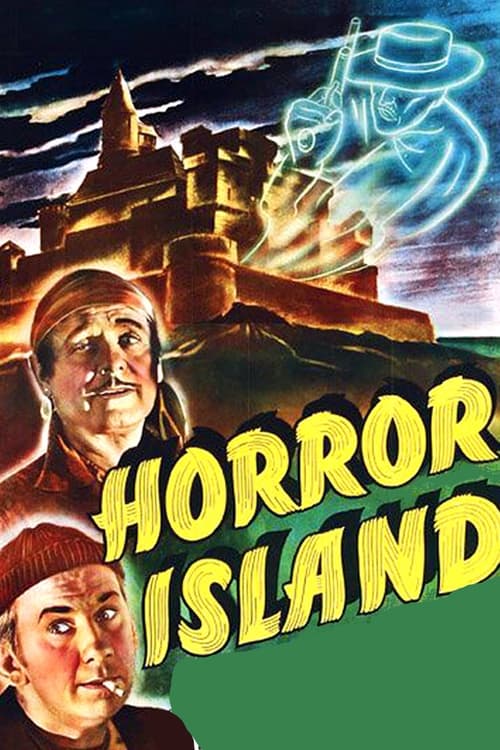
Representation Score
Limited
1941
NRDirector
George Waggner
Runtime
60 minutes
Average Rating
No ratings yetNew Showbiz Analysis
Horror Island is a product of its historical era, functioning as a traditional genre piece that blends mystery, comedy, and horror. It adheres to the standard cinematic conventions of the early 1940s, prioritizing established social hierarchies and conventional moral structures. The film lacks the intentionality required to disrupt social norms or provide meaningful representation of multiple aspects of identity. Instead, it relies on Western-centric adventure clichés and the homogeneous casting standards common to studio productions of the time. Ultimately, the work serves as a snapshot of 1941 Hollywood, where narrative architecture was built around traditional archetypes rather than progressive social frameworks.
Category Breakdown
The film adheres to the strict guidelines of the Hays Code era, showing no evidence of LGBTQ+ characters or narratives that challenge the assumption that everyone is straight or cisgender.
The story centers on a male businessman, likely relegating women to supporting or domestic roles. This structure reinforces traditional 1940s gender hierarchies rather than disrupting them.
The narrative focuses on Western archetypes typical of the period. Without evidence of a diverse cast, the film likely reflects the homogeneous, Anglo-Saxon casting standards of 1941.
Rooted in Western adventure clichés involving Sir Henry Morgan, the film follows traditional morality. It lacks contemporary elements like secularism or critiques of Western institutions.
There is no indication of characters with disabilities possessing significant control over their actions. In this era, impairments were often used merely as plot devices to signify the uncanny or villainous.
Present on Screen
Limited or Absent
Official Synopsis
A down-on-his luck businessman organizes an excursion to Sir Henry Morgan's Island for a treasure hunt only to encounter a mysterious phantom and murder.
1942
1943
1937
1939
1946
1947
1949
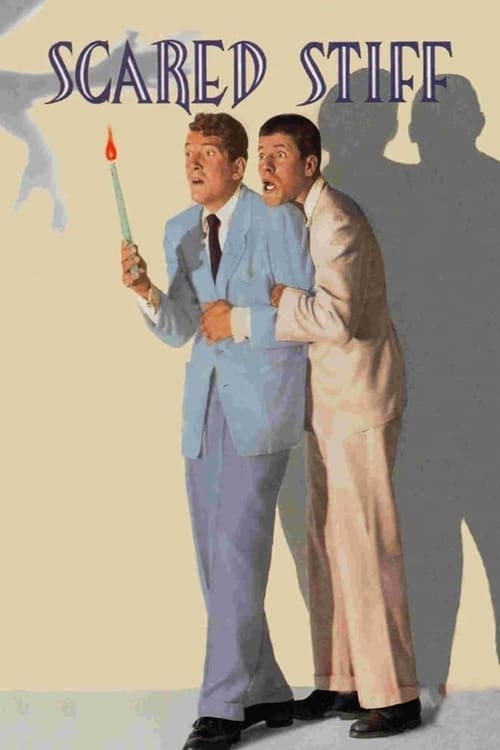
1953
No reviews yet. Be the first to share your thoughts on this movie!
Use the rating form above to leave a star rating and optional review.