When Innocence Is Lost
1997
No user ratings available yet
Representation score: 2.5 out of 10
Representation Score
Limited
1996
PGDirector
Larry Elikann
Runtime
92 minutes
Average Rating
No ratings yetNew Showbiz Analysis
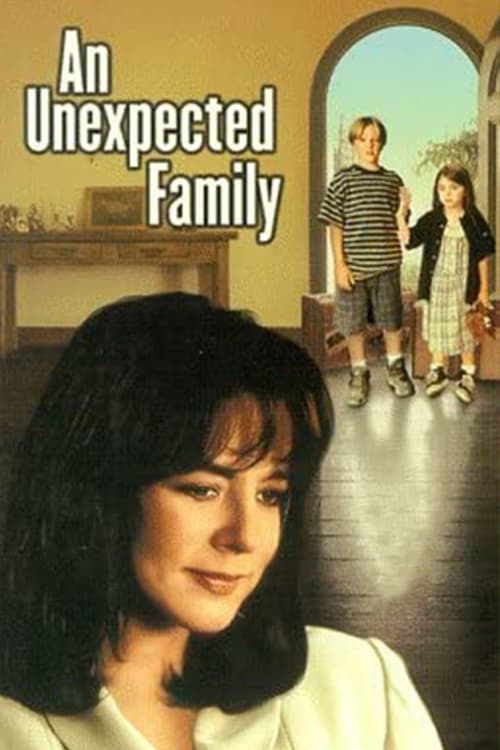
An Unexpected Family is a mid-90s television melodrama that prioritizes traditional domestic structures over challenging social hierarchies. The plot centers on the disruption and reconstruction of a nuclear family unit, using the court system as the primary mechanism for resolution. The film adheres to established clichés of the era, focusing on familial obligation and legal battles for custody. It lacks the depth needed to challenge social hierarchies or provide diverse representation. Ultimately, the narrative functions as a conventional drama that reinforces existing institutional frameworks rather than exploring diverse cultural or identity-based perspectives.
Category Breakdown
The film does not include any representation of non-straight identities. The story focuses solely on biological and sibling bonds within a traditional family structure.
Barbara shows resilience through her caretaking and legal battles. However, the plot relies on traditional gendered expectations of maternal abandonment.
The story follows a standard Western domestic template. There is no indication of a diverse cast or the use of race-bent casting to challenge norms.
Themes center on preserving family bonds through Western legal institutions. The film does not critique social structures like religion or capitalism.
There is no mention of physical, neurodivergent, or mental health conditions in the character descriptions.
Present on Screen
Limited or Absent
Official Synopsis
When Ruth Whitney abandons her two children with her sister Barbara is left to take care of them, at first none of them like it but soon they grow to like each other. Then over a year later Ruth comes back saying she wants her kids and Barbara goes to court to fight for custody.
1997

1989
2001
1995
1994

2012
1993
1996
No reviews yet. Be the first to share your thoughts on this movie!
Use the rating form above to leave a star rating and optional review.