
When He Didn't Come Home
1998
No user ratings available yet
Representation score: 2.9 out of 10
Representation Score
Limited
1991
Director
John Nicolella
Runtime
90 minutes
Average Rating
No ratings yetNew Showbiz Analysis
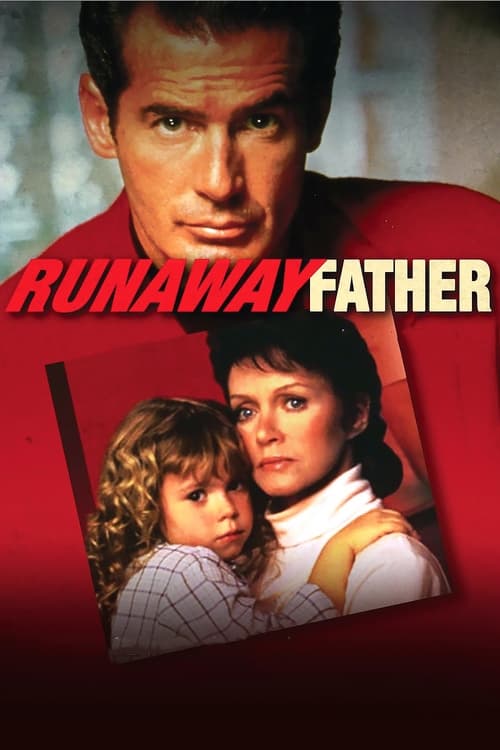
Runaway Father is a conventional 1990s domestic drama that sticks to traditional storytelling without critiquing social norms. While it highlights a female character's fight for child support, the film stays within established social and legal frameworks. The production follows the era's typical television movie conventions, focusing on preserving the nuclear family unit rather than challenging systemic hierarchies or exploring diverse identities. Ultimately, the film lacks the narrative complexity needed to disrupt traditional norms, presenting instead a straightforward tale of individual perseverance within a standard domestic crisis.
Category Breakdown
The story revolves around a family structure that assumes everyone is straight and cisgender. There are no characters with non-binary identities or critiques of traditional social norms.
A female character shows strength by seeking legal and financial independence. However, the conflict remains centered on a traditional domestic issue rather than challenging systemic issues.
The story does not indicate a multi-ethnic cast. It seems to follow the demographic norms of 1990s television, focusing on a likely homogeneous family unit.
The plot upholds Western institutional values about parental obligations and the legal system. It aims to restore a traditional family structure rather than deconstruct it.
The film does not provide any information about characters with visible or invisible disabilities.
Present on Screen
Limited or Absent
Official Synopsis
A woman's husband leaves her and their three daughters. Years later she sets out to find him and get him to pay back child support.
1998
1995

1986

2011
1994

2016

1996

1981
No reviews yet. Be the first to share your thoughts on this movie!
Use the rating form above to leave a star rating and optional review.