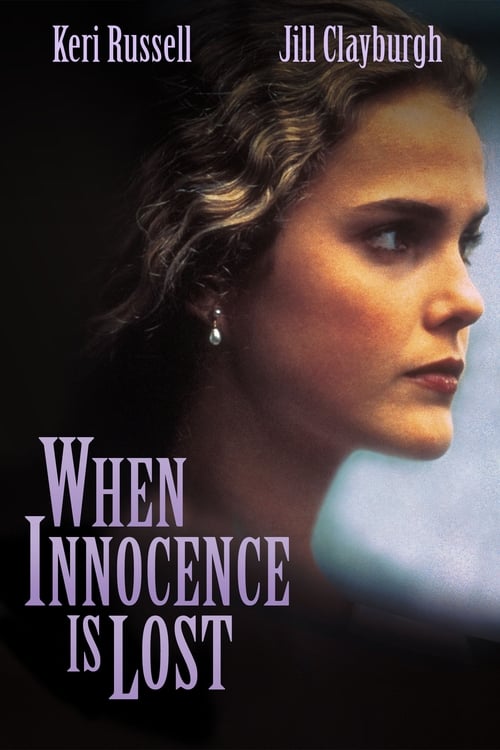
When Innocence Is Lost
1997
No user ratings available yet
Representation score: 2.5 out of 10

Representation Score
Minimal
2020
TV-14Director
Tori Garrett
Runtime
86 minutes
Average Rating
No ratings yetNew Showbiz Analysis
The film focuses on a high-stakes struggle for parental rights and personal freedom. It centers on a survivor's fight for autonomy against a perpetrator, providing a foundation for exploring gendered power dynamics and individual control. However, the narrative lacks depth regarding multi-layered identities. Without information on race, LGBTQ+ presence, or disability, the film's ability to represent a broad spectrum of human experience is limited. Ultimately, the work succeeds in challenging traditional victimhood clichés through its female-led premise, but remains a narrow study of gendered conflict rather than a diverse social tapestry.
Category Breakdown
The film does not include any LGBTQ+ characters or representations of non-straight relationships. There is no evidence of queer identities within the story.
The story centers on a female protagonist fighting for her autonomy against a male aggressor. This challenges the stereotype of women as passive victims.
There is no specific information available about the racial or ethnic makeup of the cast. The cultural backgrounds of the characters are not mentioned.
The premise involves a critique of systemic failures within legal and custodial systems. It explores the struggle of a victim against institutional outcomes.
The synopsis does not explicitly mention physical disabilities or neurodivergence. While sexual trauma often intersects with mental health issues, no specific disability representation is noted.
Present on Screen
Limited or Absent
Official Synopsis
A young woman fights to keep her rapist from gaining custody of her daughter.
1997

1989

1992

2020

2015

2015
1994
1990
No reviews yet. Be the first to share your thoughts on this movie!
Use the rating form above to leave a star rating and optional review.