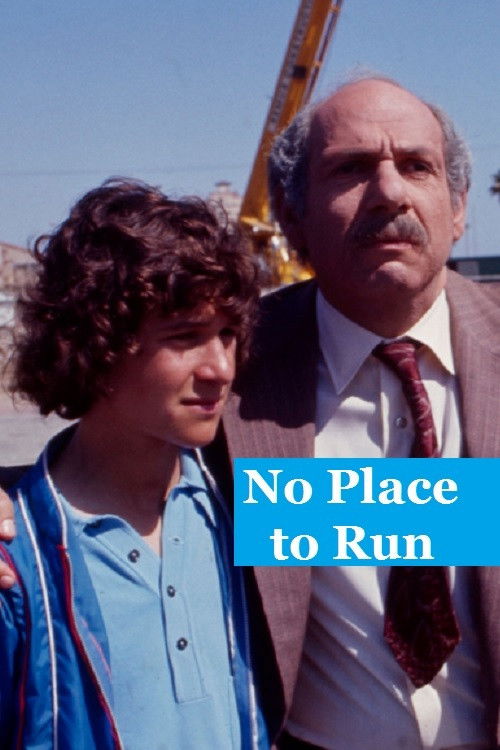
No Place to Run
1972
No user ratings available yet
Representation score: 1.2 out of 10
Representation Score
Minimal
1975
Director
Delbert Mann
Runtime
85 minutes
Average Rating
No ratings yetNew Showbiz Analysis
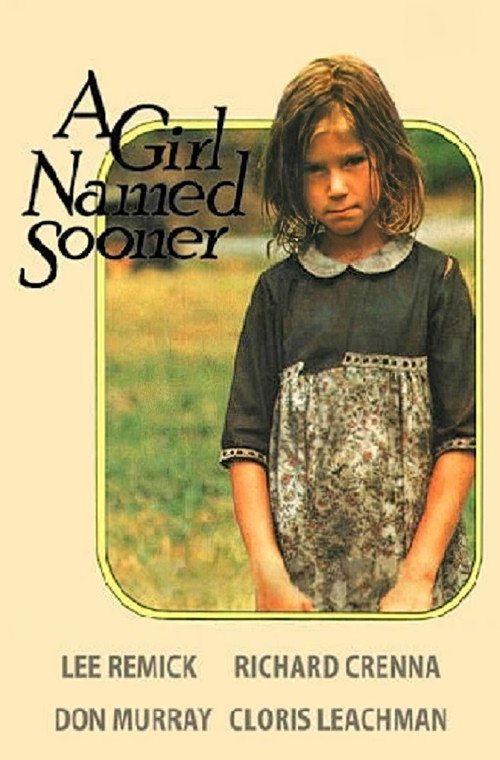
A Girl Named Sooner operates as a conventional social drama typical of 1970s television. The narrative follows a child's journey from a underrepresented, moonshining household to a state-sanctioned family structure. The film adheres to traditional mid-century realism, emphasizing social reintegration over challenging systemic hierarchies. It prioritizes social order over institutional critique. Since the story transitions from social disorder to conventional stability, it does not aim to disrupt power dynamics or offer characters who reflect more than one aspect of diversity.
Category Breakdown
The film does not include any non-straight or non-cisgender identities. The story focuses on a child and a childless couple within a traditional home setting.
The story centers on a female protagonist, but her role seems limited due to her status as a ward. An older woman provides non-traditional care in the beginning.
The Indiana setting implies a likely homogeneous population. There is no indication of a multi-ethnic cast or diverse racial representation.
The film examines the conflict between outlaw moonshining culture and state-approved family life. It ultimately favors social order and conventional family structures.
There is no information about the portrayal of physical or neurodivergent identities in this production.
Present on Screen
Limited or Absent
Official Synopsis
A young girl in the hills of Indiana, who had been abandoned by her family and raised by a bootlegging old woman, is taken by the authorities and made the ward of a childless couple.
1972

1976

1987
1995
1996

2019
2011

1980
No reviews yet. Be the first to share your thoughts on this movie!
Use the rating form above to leave a star rating and optional review.