Hello Sister, Goodbye Life
2006
No user ratings available yet
Representation score: 1.3 out of 10
Representation Score
Limited
1998
Director
Linda Yellen
Runtime
111 minutes
Average Rating
No ratings yetNew Showbiz Analysis
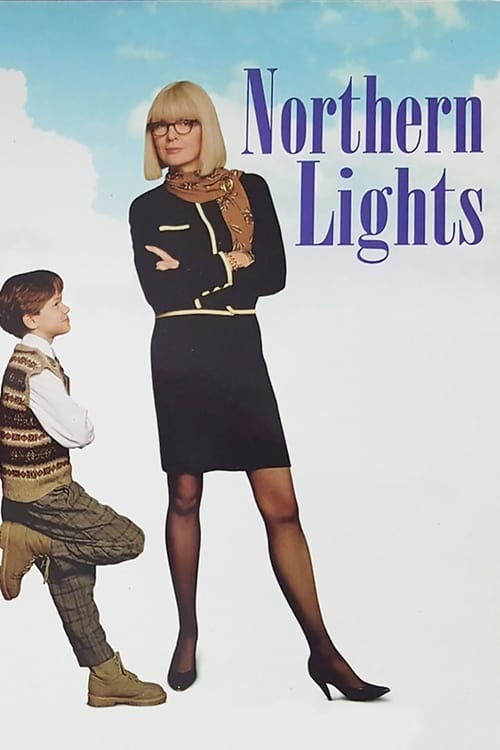
Northern Lights is a character-driven mystery that focuses on the disruption of traditional family structures. It uses a 'stranger in a strange land' cliché to explore how hidden legacies can upend a protagonist's sense of stability. While the film offers some ability to act to its female lead and explores the complexities of personal truth, it remains limited by the demographic clichés of 1998 television. The lack of explicit diverse casting or overt identity representation keeps the score modest. Ultimately, the film's strength lies in its subversion of the 'ideal' family, even if it lacks broad multi-layered visibility.
Category Breakdown
The film hints at unconventional social norms through Frank's eccentric friends and mysterious secrets. However, there is no explicit confirmation of queer identities or romantic pairings.
Roberta serves as the central protagonist, driving the plot through her navigation of sudden familial responsibilities. The story shifts focus toward her as she manages the fallout of Frank's death.
The small-town American setting suggests a likely homogeneous social environment. There is no evidence of a multi-ethnic cast within the provided narrative context.
The narrative deconstructs the idea of the stable Western family unit by exposing hidden secrets. It uses a mysterious setting to challenge perceived social normalcy.
The available information provides no mention of characters navigating physical, sensory, or neurodivergent disabilities.
Present on Screen
Limited or Absent
Official Synopsis
A stranger's call informs Roberta that her estranged brother Frank has died in a small town under bizarre circumstances. Ben, his best friend from college, also gets the call. Arriving just in time for his funeral, it becomes quickly obvious to them that the little slice of small-town America in which they find themselves is like an episode of The Twilight Zone featuring Frank's eccentric friends, his amazing secrets and his stunning final request. Both Ben and Roberta are shocked to discover that Frank not only had a child, but that he has left them responsible for his son's care.
2006

2014
1998
1996
1998
2000

1998
2005
No reviews yet. Be the first to share your thoughts on this movie!
Use the rating form above to leave a star rating and optional review.