Baby Brokers
1994
No user ratings available yet
Representation score: 2.4 out of 10
Representation Score
Fair
1998
TV-14Director
Jane Anderson
Runtime
95 minutes
Average Rating
No ratings yetNew Showbiz Analysis
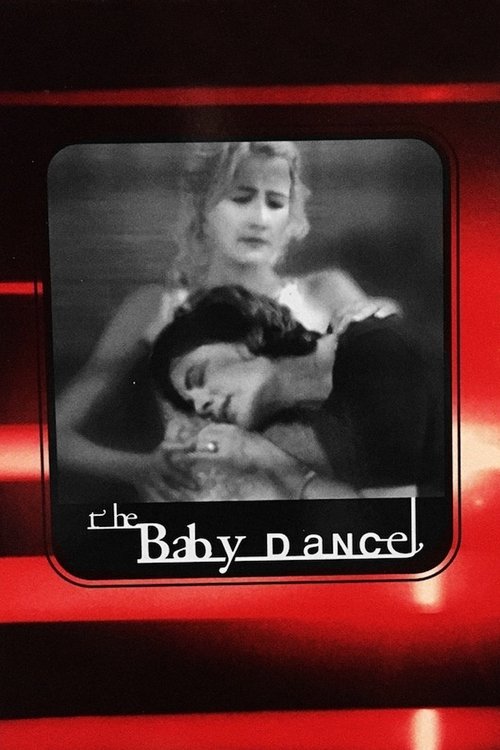
The Baby Dance functions primarily as a class-based social drama. It avoids simple moral binaries by exploring the subjective motivations of its protagonists, focusing on the friction between different socioeconomic tiers. While the film challenges idealized domesticity by highlighting systemic and class-based tensions, it operates within a conventional demographic framework. The narrative lacks significant representation of LGBTQ+ identities or diverse racial backgrounds. Ultimately, the film's impact stems from its study of socioeconomic ability to act and the moral gray areas of maternal desire rather than overt identity-based representation.
Category Breakdown
The film follows a heterosexual relationship between the Luckmans and Wanda LeFauve. There are no queer narratives or non-cisgender identities in the story.
The narrative centers on women's ability to drive the story and the complexities of reproductive labor. Conflict arises from the intersection of maternal longing and economic vulnerability among the women.
The story focuses on socioeconomic class disparities rather than racial diversity. There is no indication of a diverse or non-Anglo-Saxon majority cast.
The film explores the moral complexities and situational ethics of adoption. It deconstructs the idealized traditional family by highlighting systemic tensions and class disparity.
There is no mention of characters navigating physical, sensory, or neurodivergent disabilities within the narrative.
Present on Screen
Limited or Absent
Official Synopsis
Six months pregnant and living in a beat-up tiny mobile home, Wanda LeFauve thinks she has found the solution to her problems when she agrees to meet well-to-do Rachel Luckman and her husband. The childless Luckmans are desperate to raise a baby and Wanda is anxious to find a home for her latest. They strike a deal, but as the birth parents and the potential adoptive parents get to know each other, fundamental differences emerge.
1994

1989
2004

2018
2002
1995

2014
2009
No reviews yet. Be the first to share your thoughts on this movie!
Use the rating form above to leave a star rating and optional review.